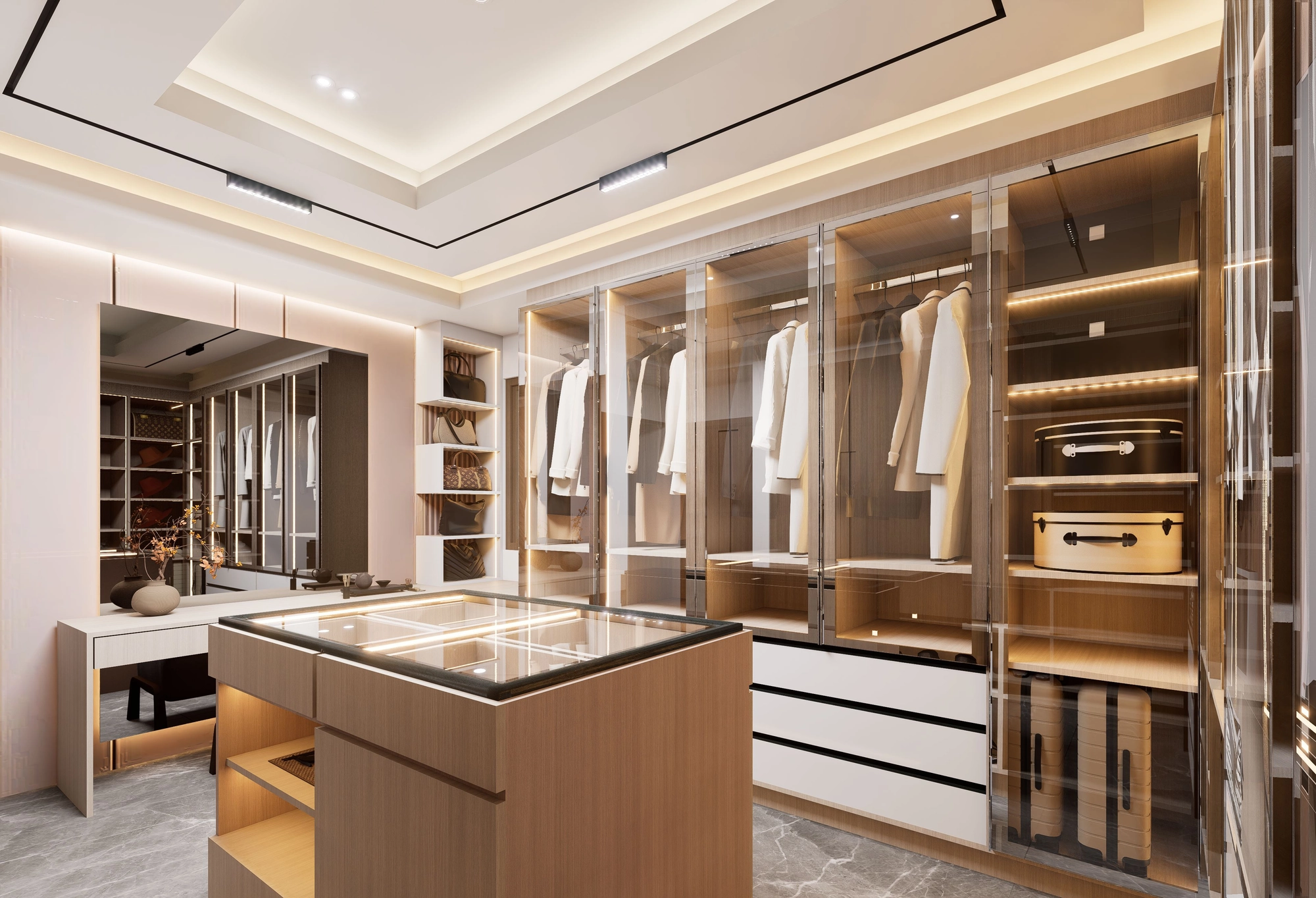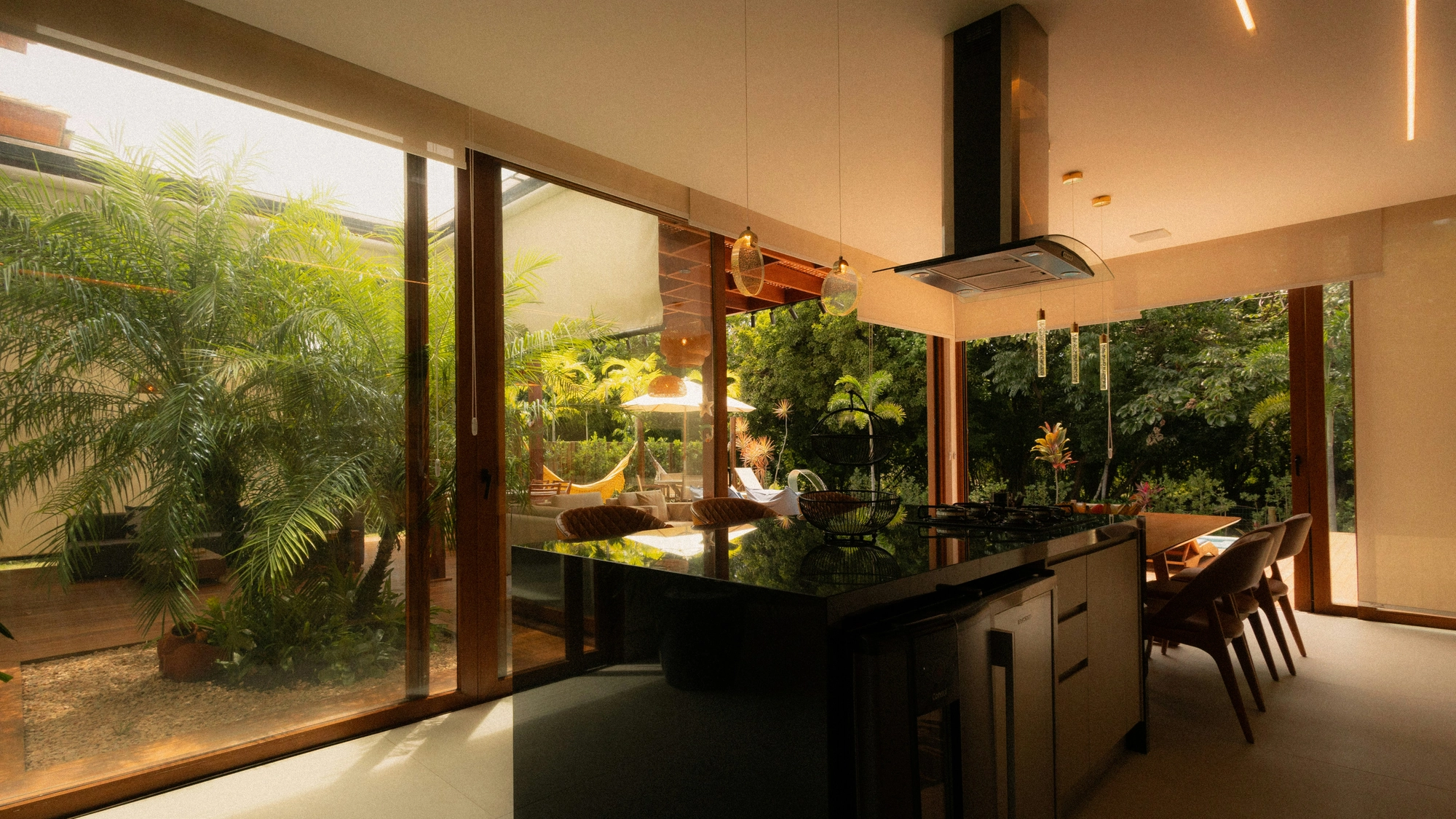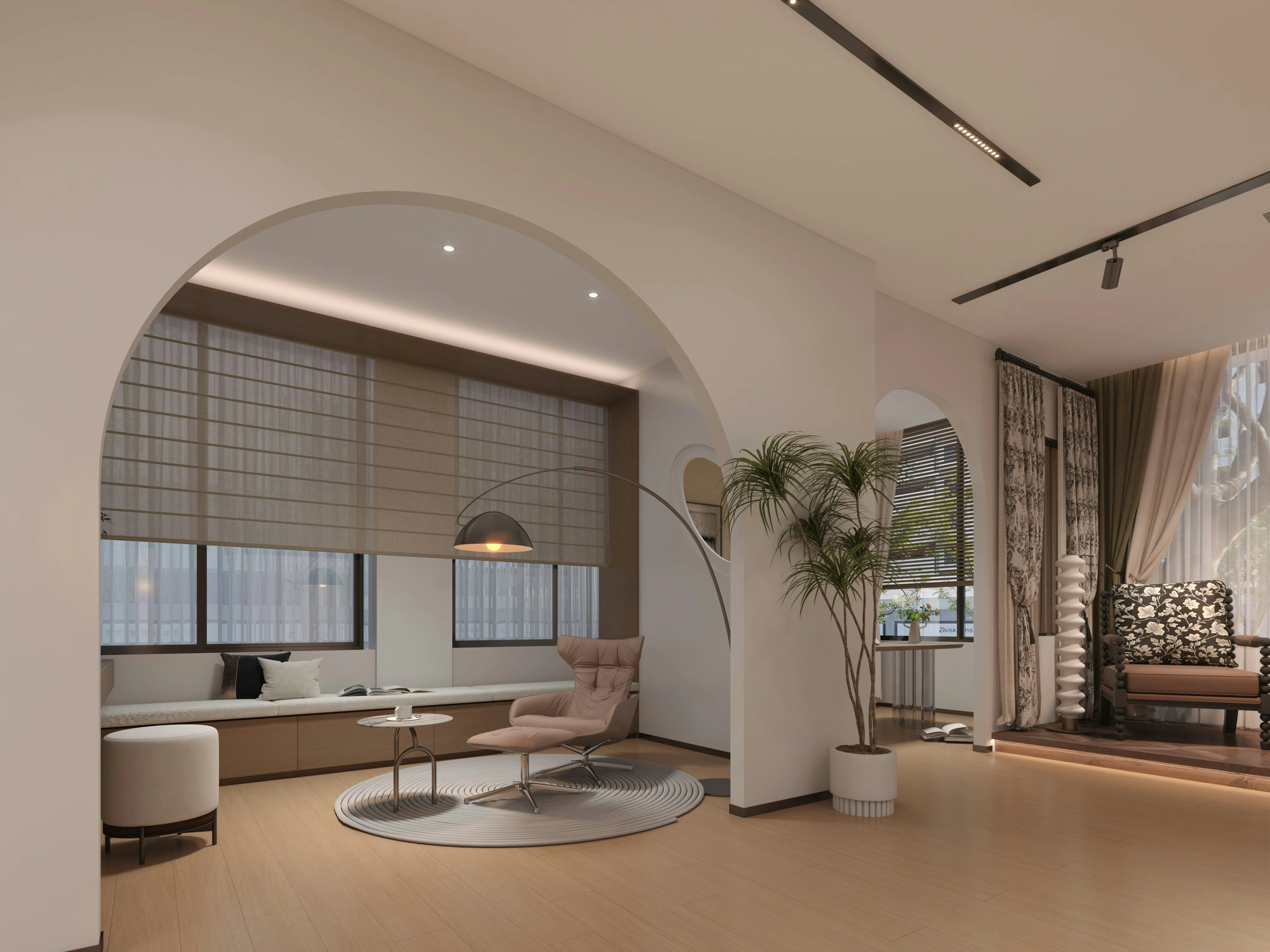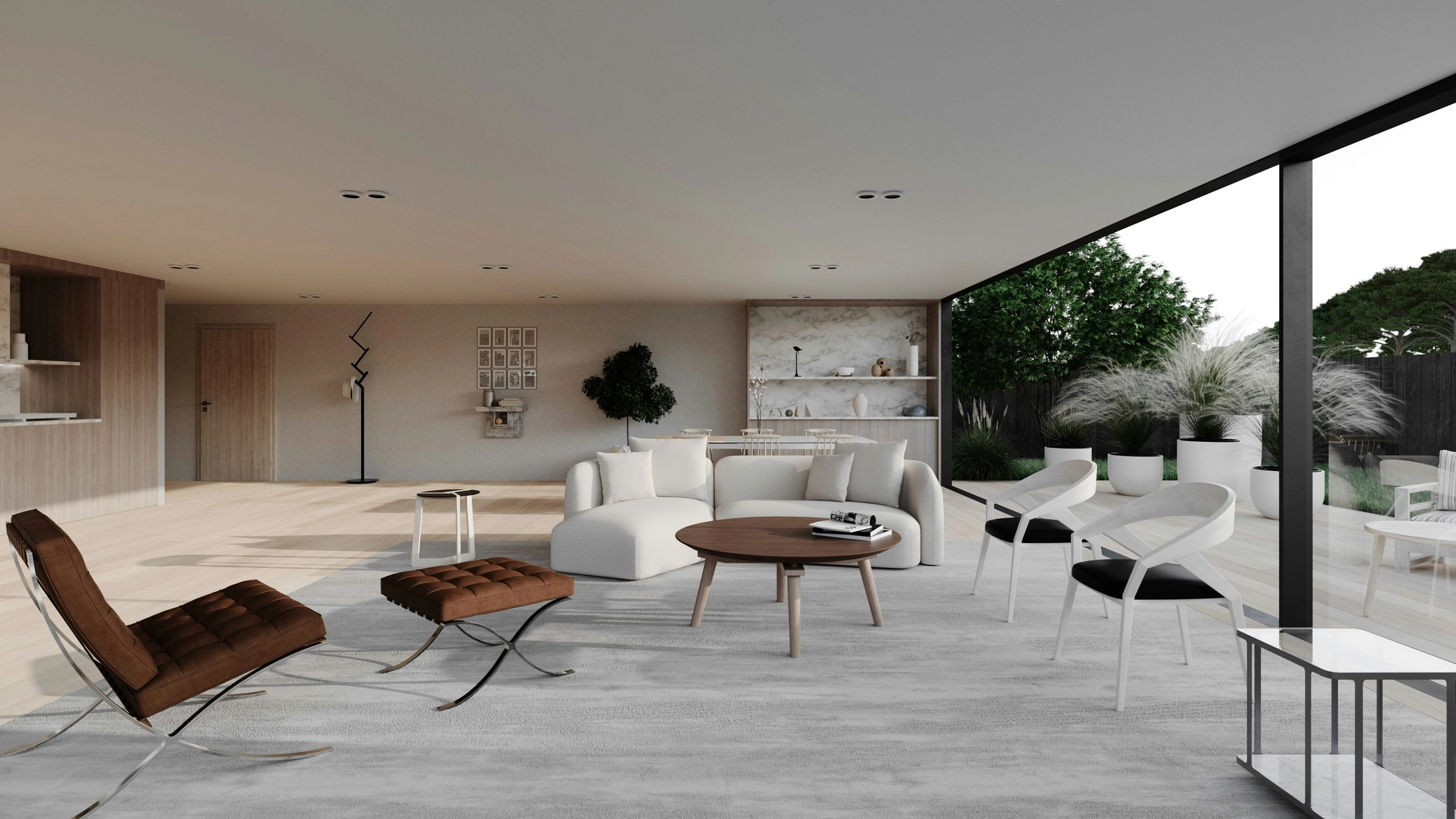


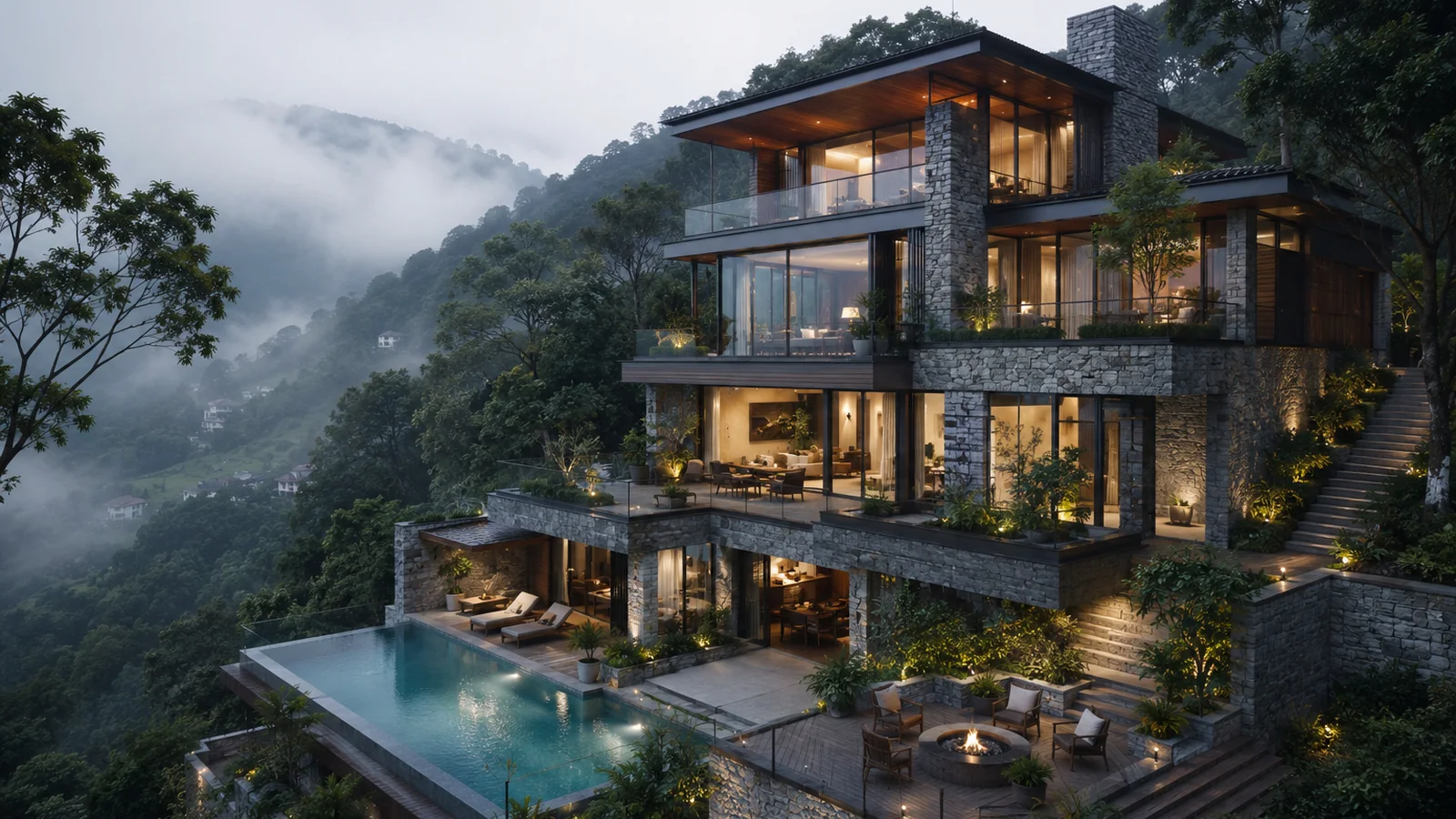

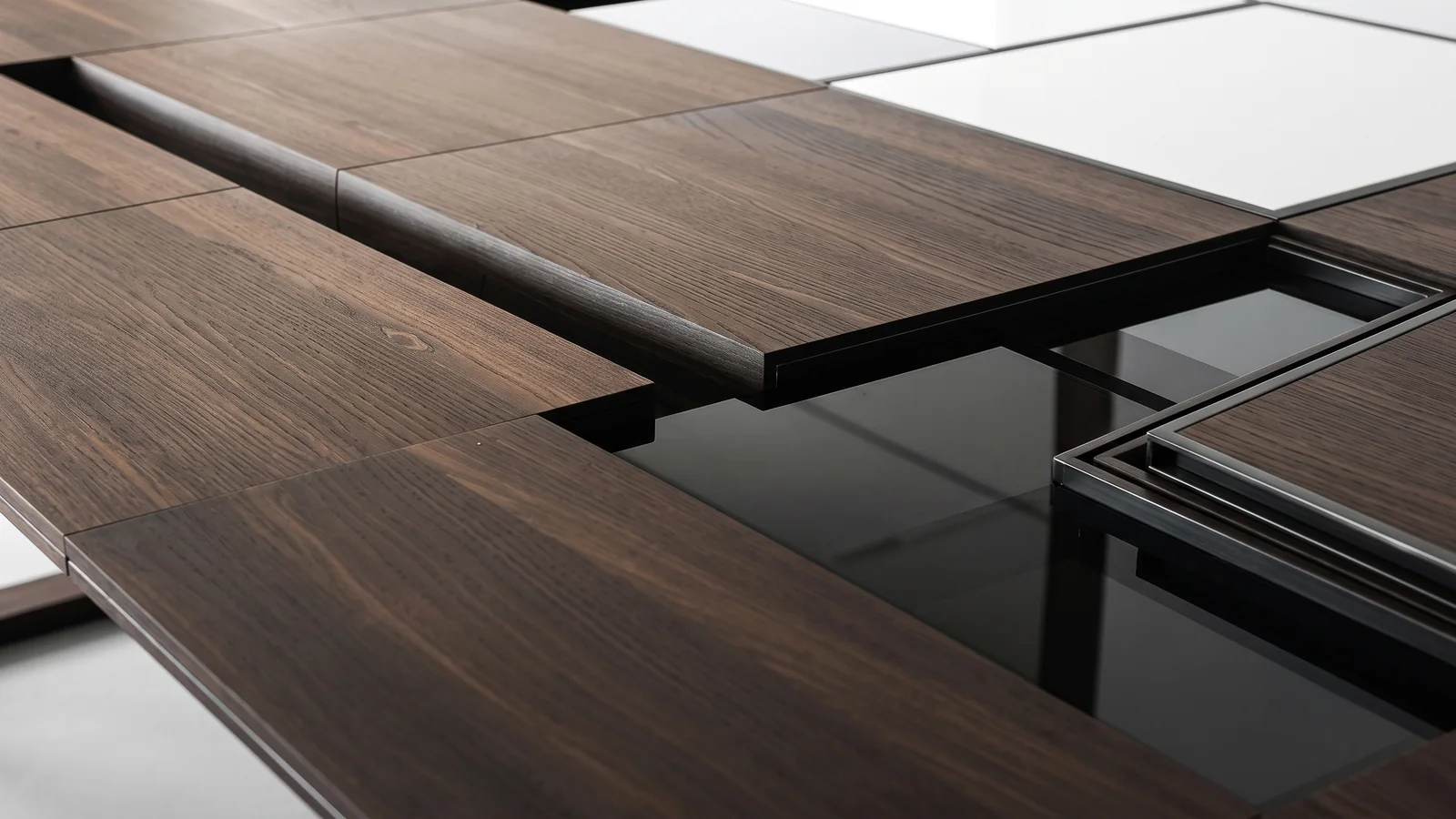
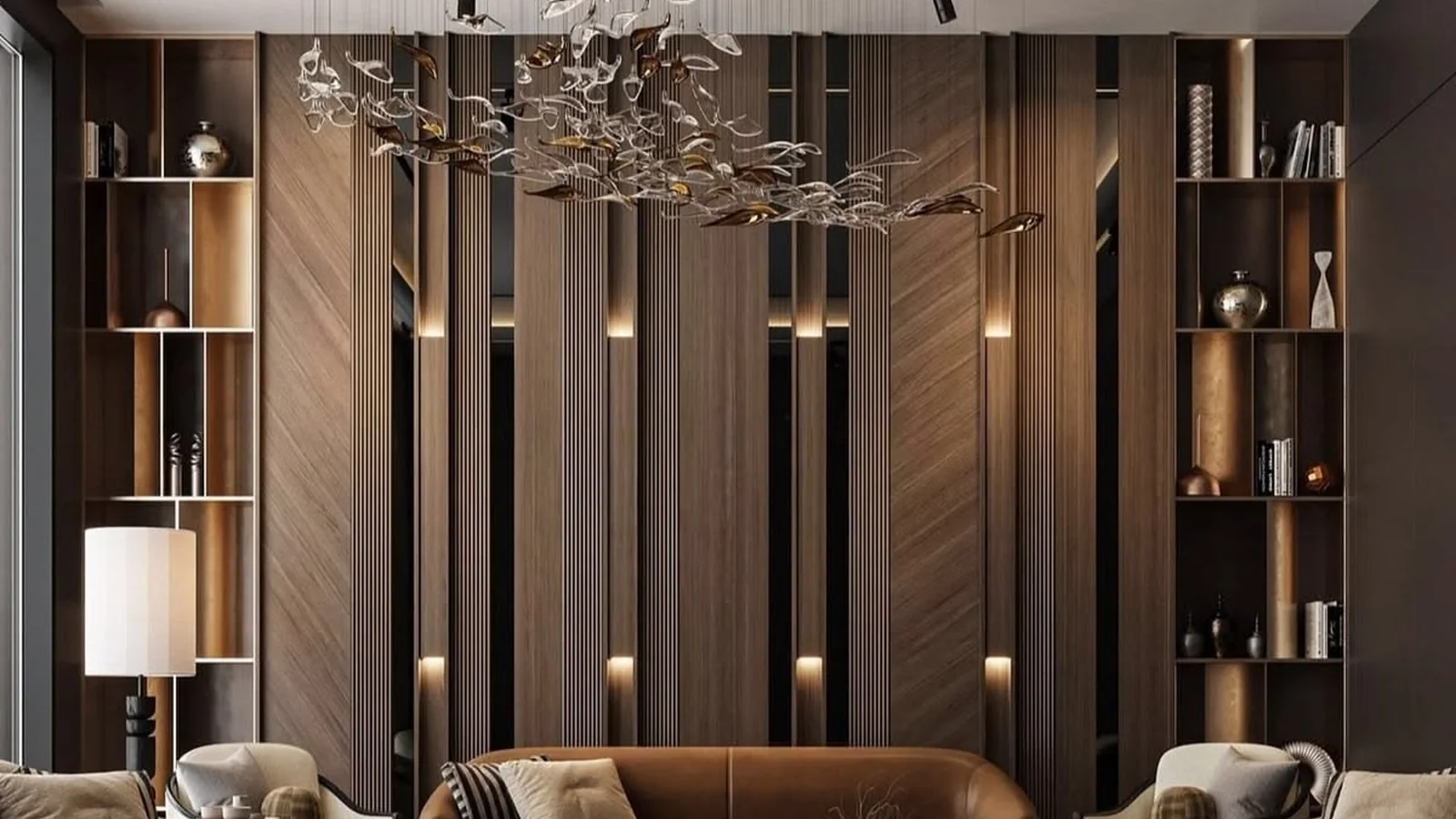
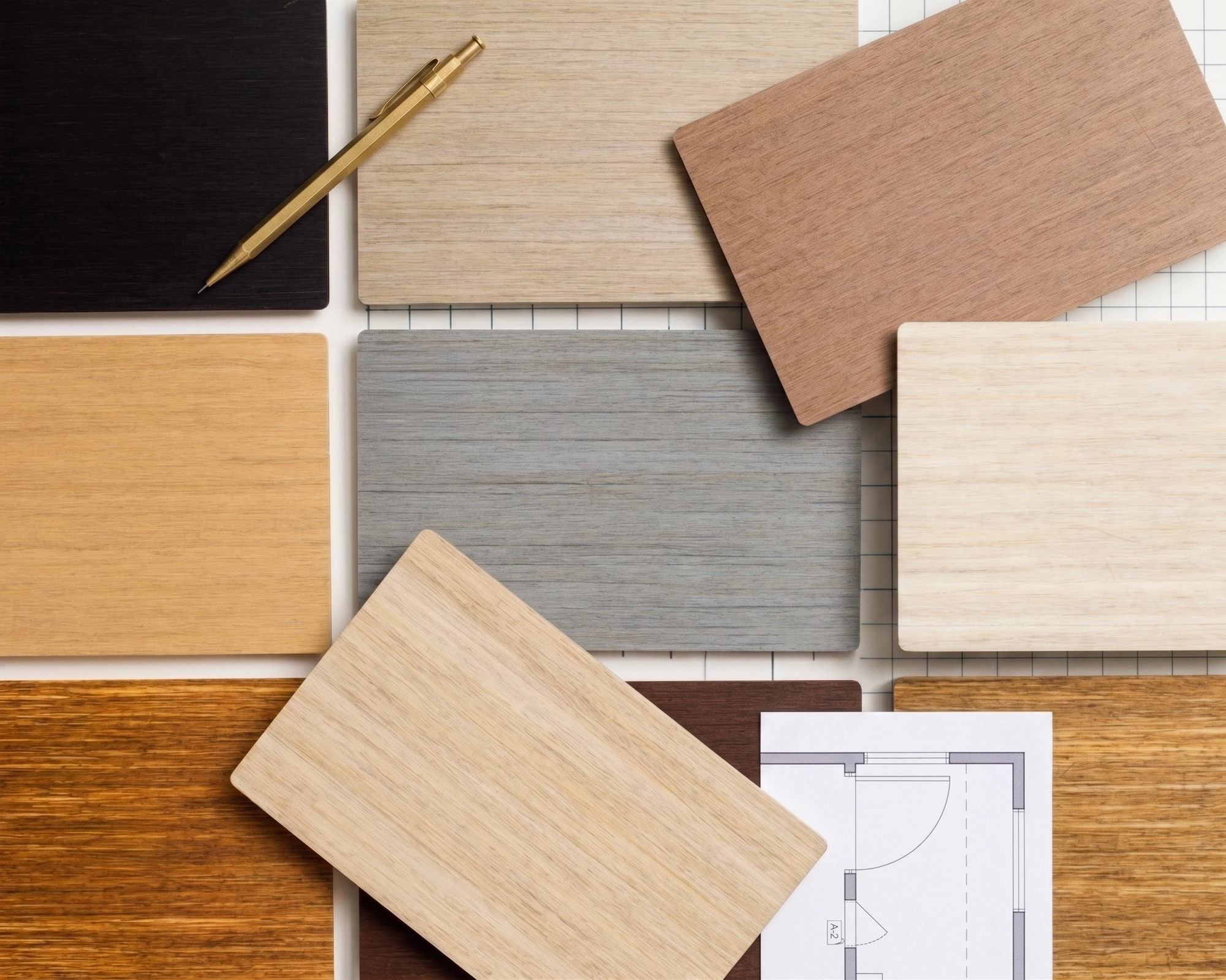


A truly high-quality living space is measured by far more than its visual appeal or the value of its furnishings. What sets an exceptional home apart is its ability to support everyday life, offering comfort, functionality, and lasting durability while creating a welcoming environment that people genuinely enjoy coming home to.
A balance between aesthetics and functionality
Great design is purposeful. Every element should serve a function while contributing to the overall harmony of the space. A well-planned layout, intuitive circulation, and seamless connections between functional areas enhance everyday living and maximize usability.
Rather than following short-lived design trends, contemporary interiors prioritize flexibility, allowing the home to adapt to the changing needs of a family over time.
Light and color shape the living experience
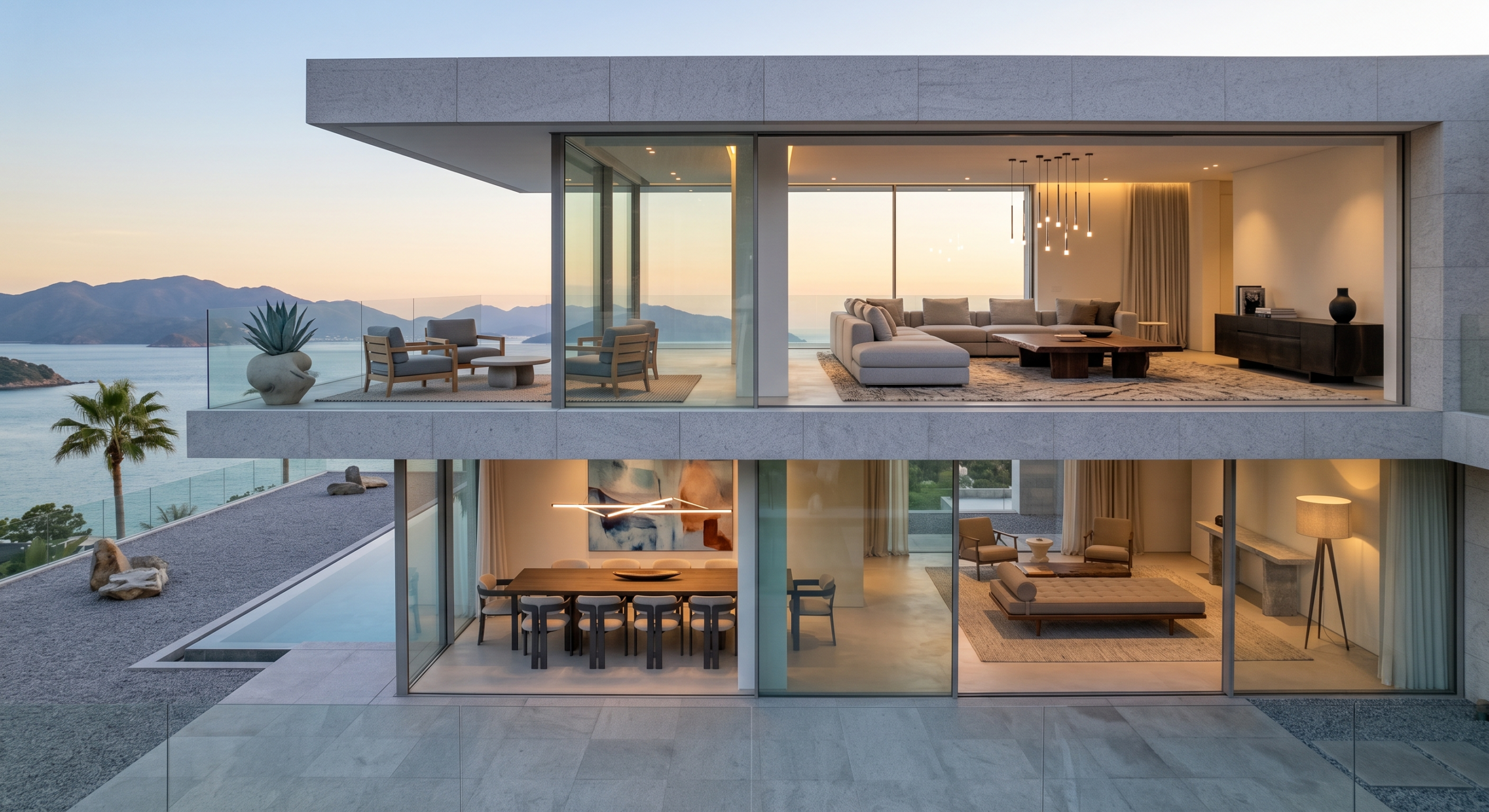
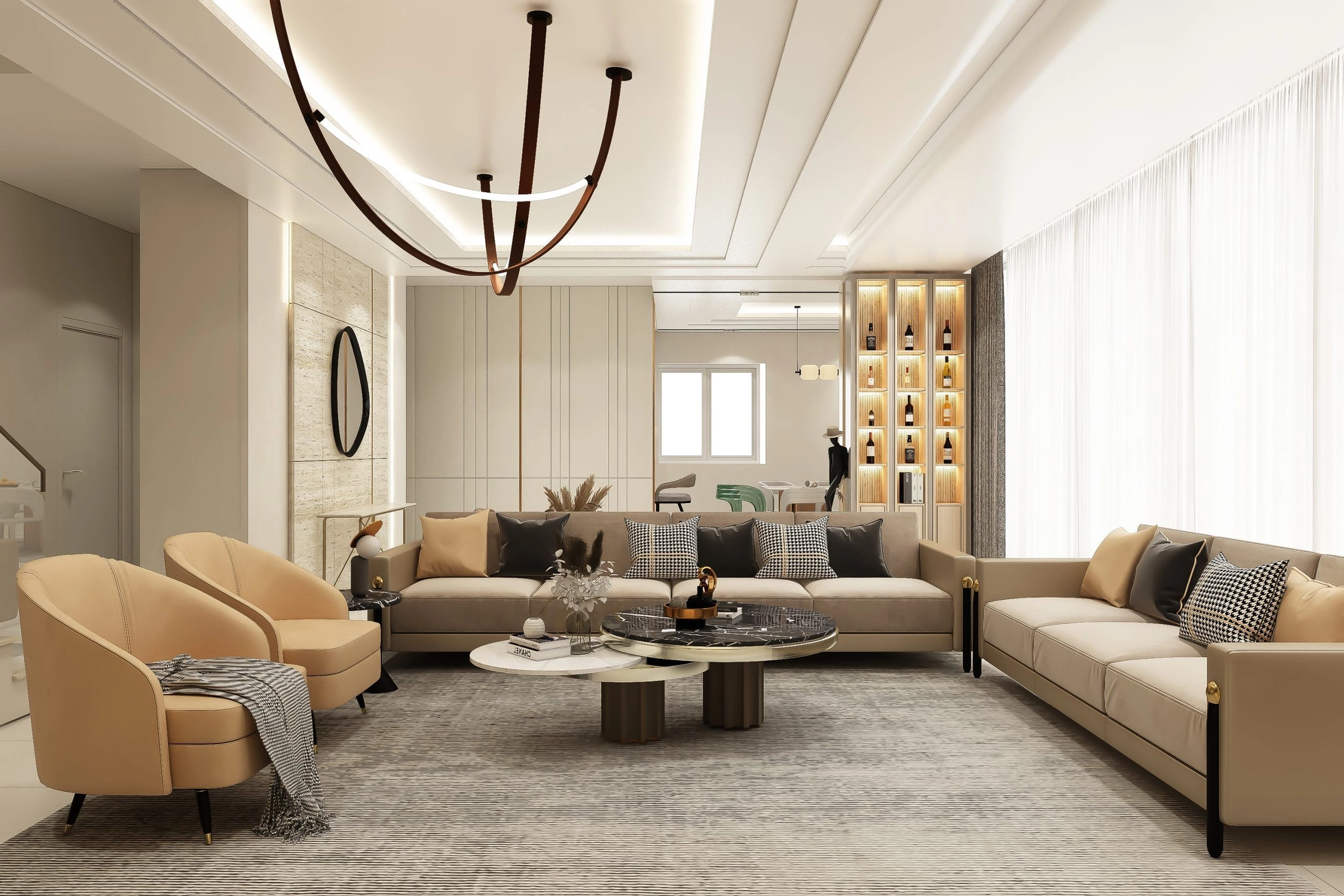
Natural light remains one of the most important elements in interior design. Bright, naturally illuminated spaces create a greater sense of openness while promoting a more uplifting and comfortable atmosphere.
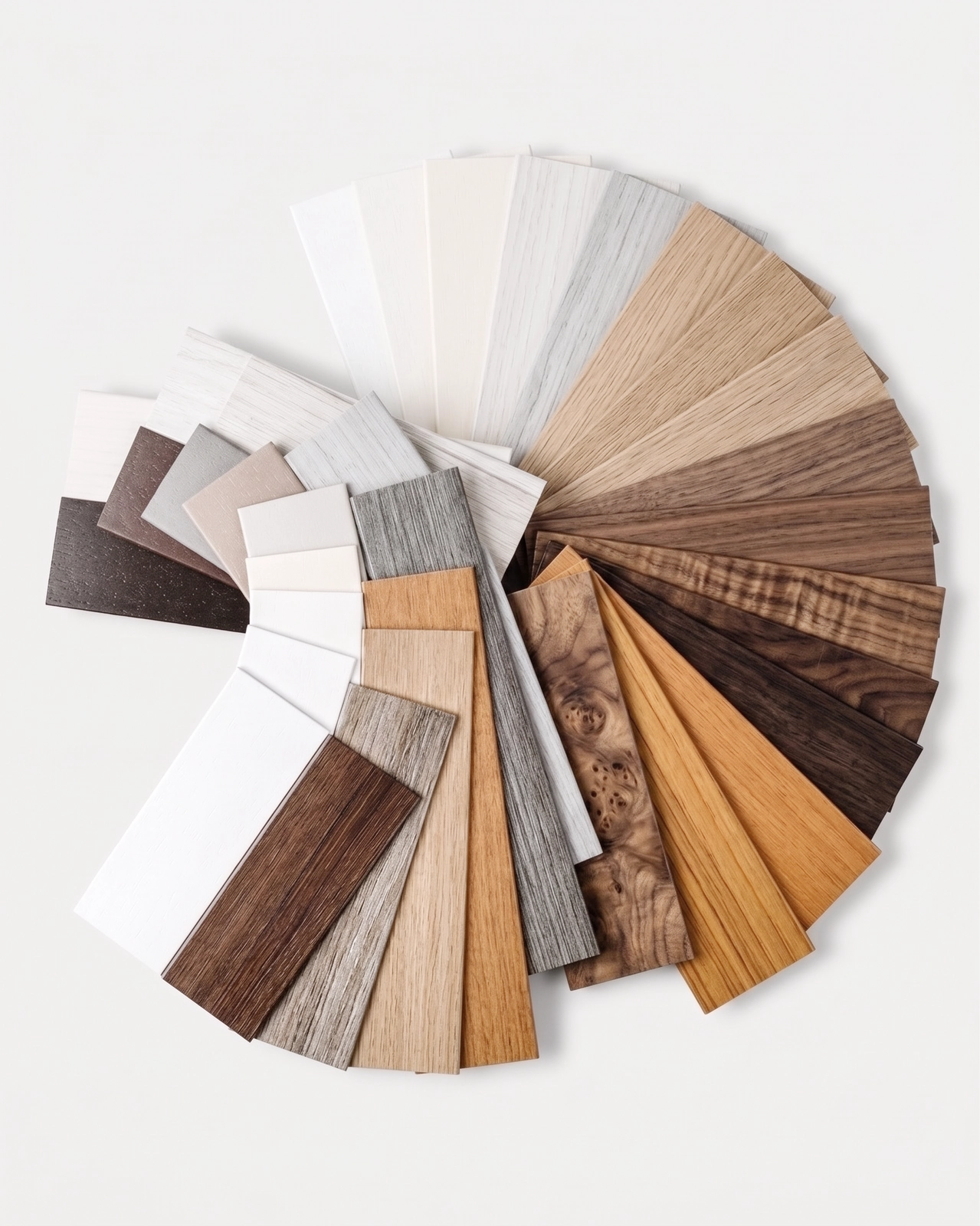
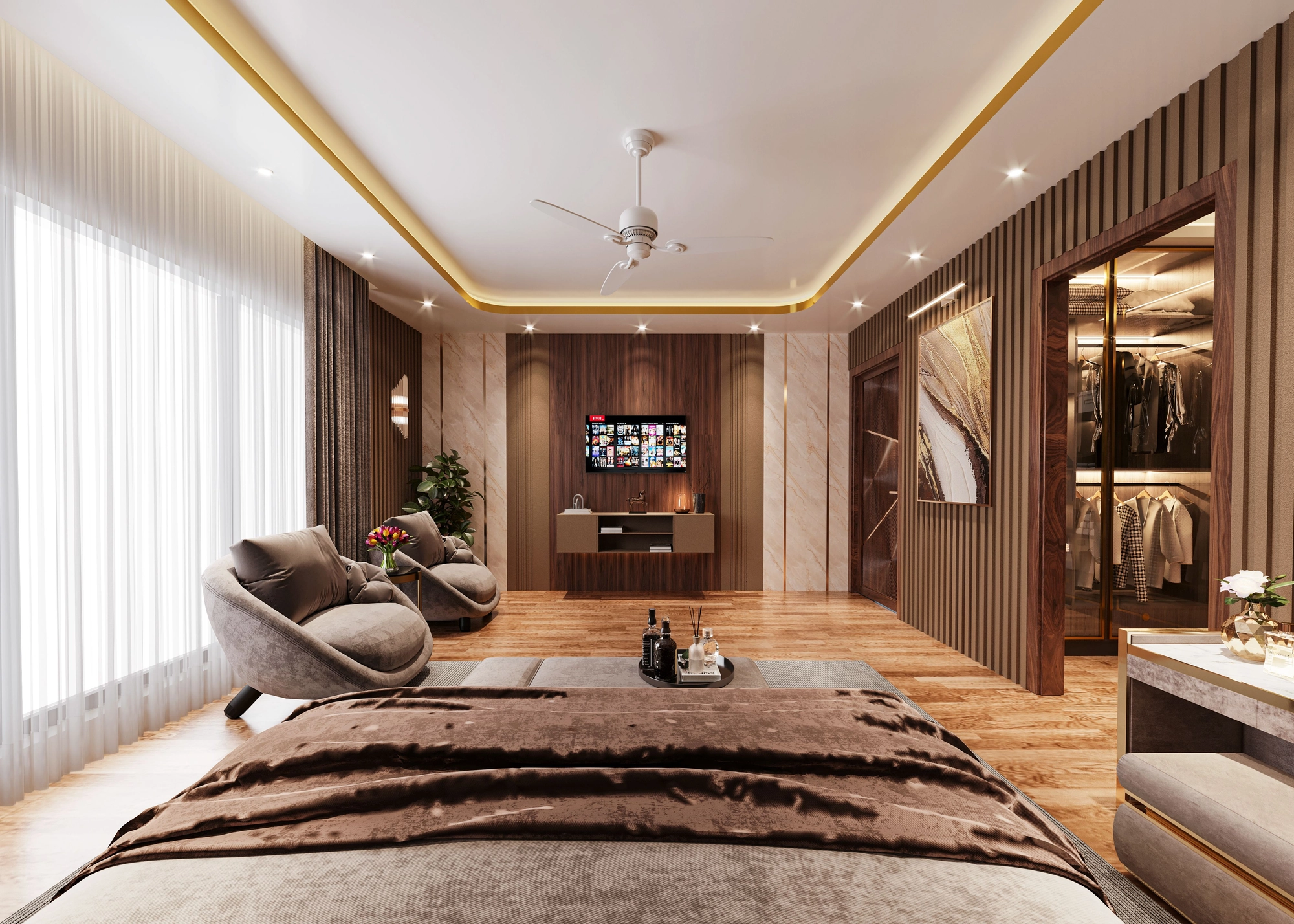
Color also plays a significant role in defining the mood of a home. Neutral palettes, including white, beige, soft gray, and warm wood tones, continue to be favored for their timeless elegance and versatility. These understated hues complement a wide range of interior styles while fostering a sense of balance and tranquility.
When thoughtfully combined, light and color create interiors that are not only visually appealing but also calming and inviting.
Materials form the foundation of quality
Behind every beautiful and enduring interior is a thoughtful investment in quality materials.
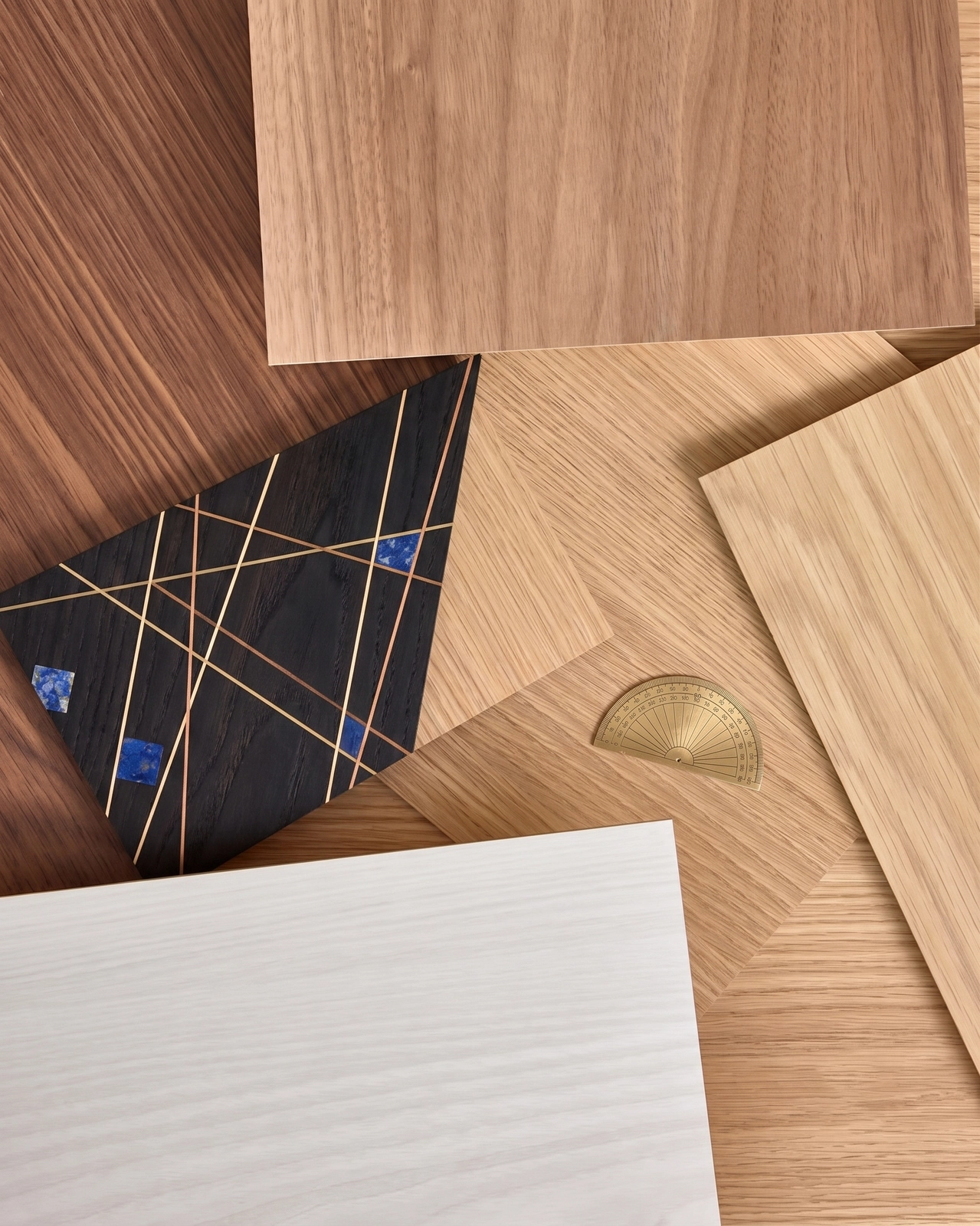
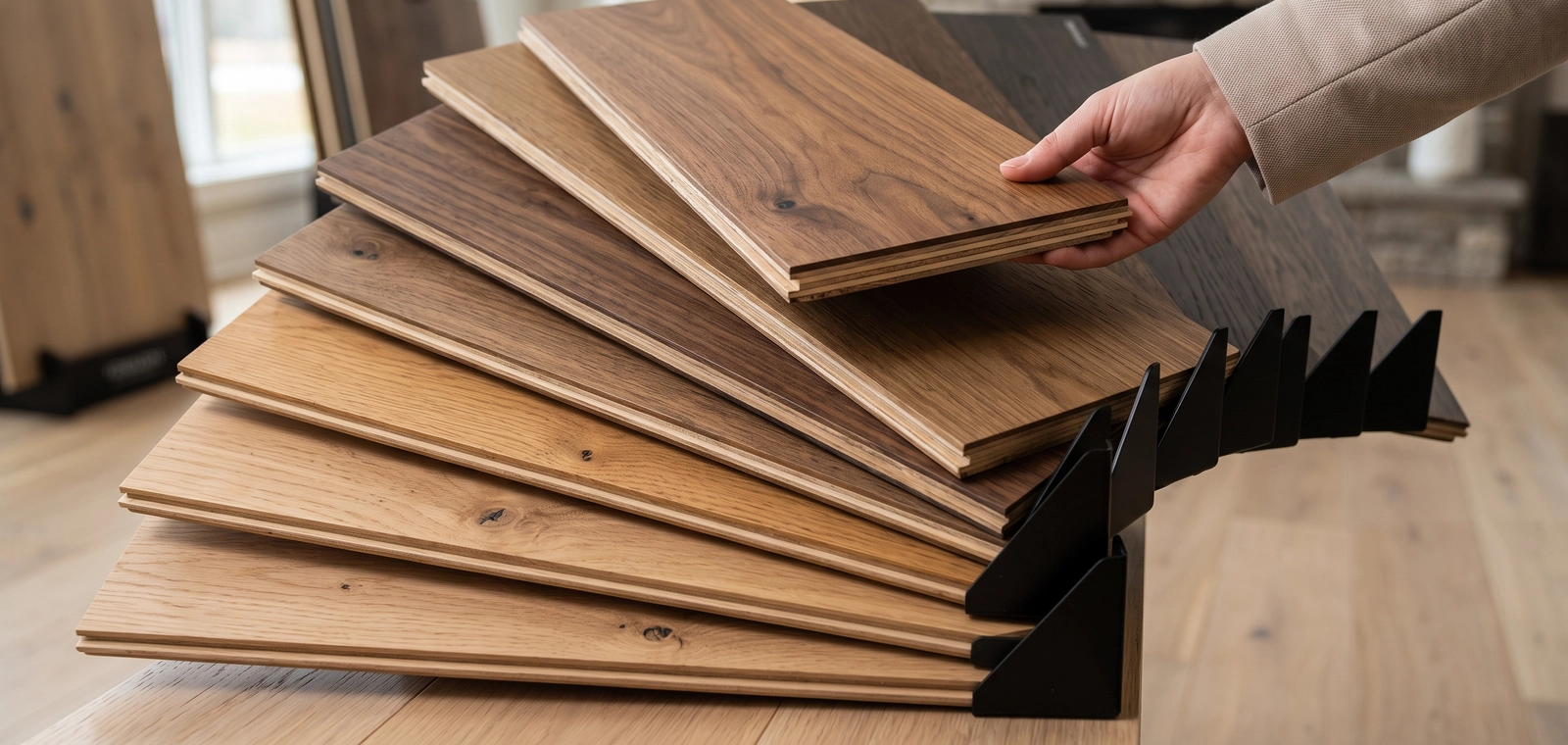
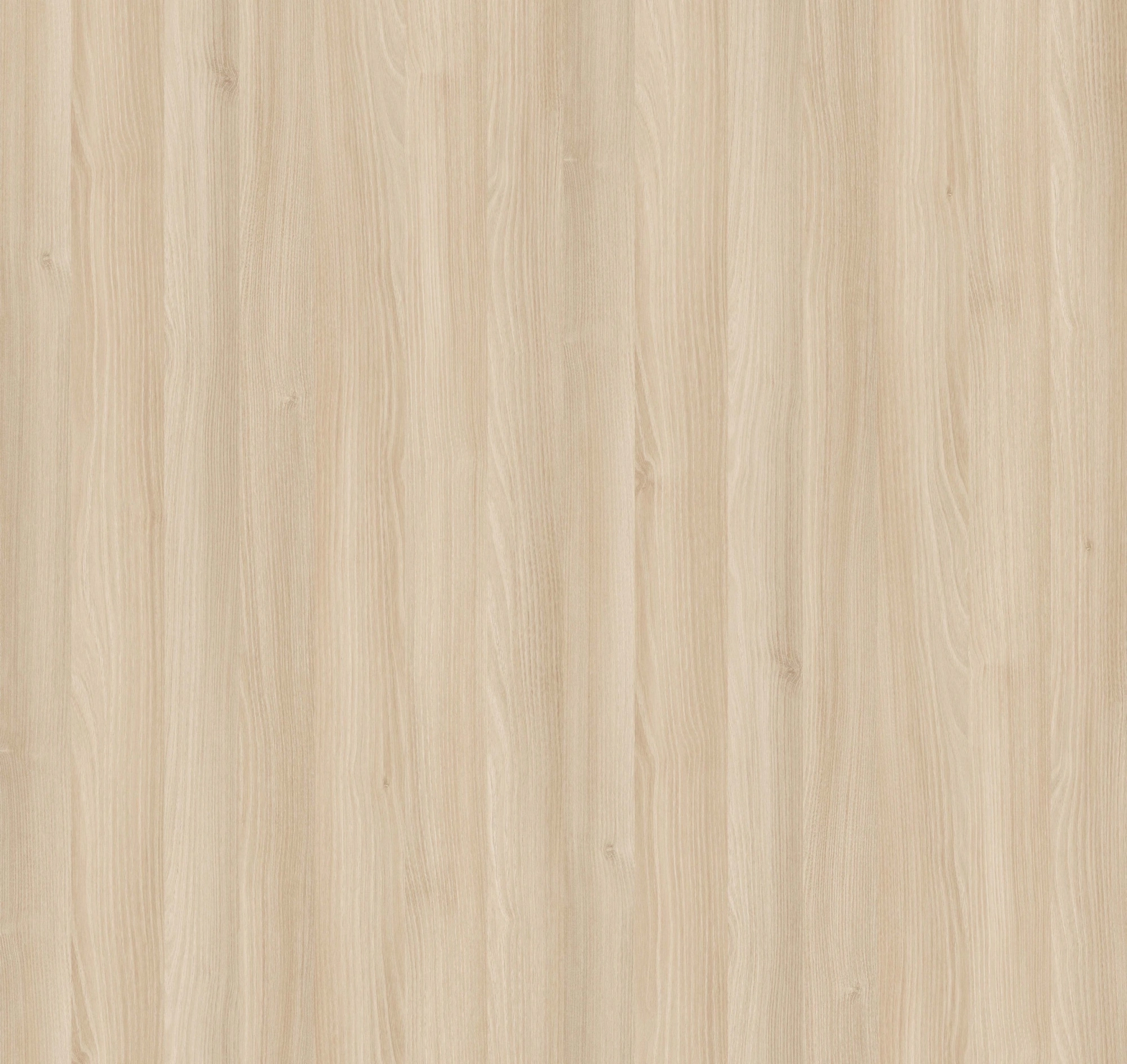
Beyond defining the appearance of a space, materials directly influence its durability, moisture resistance, scratch resistance, structural stability, and long-term performance. Choosing materials that meet high quality standards helps prevent common issues such as warping, swelling, and premature wear, while reducing future maintenance and replacement costs.
For this reason, premium materials have become a fundamental component in creating homes that maintain both their beauty and functionality over the years.
Consistency creates visual harmony
A cohesive interior naturally feels more refined and comfortable.
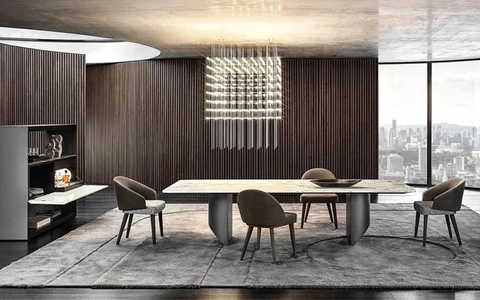
Consistency does not mean every element should look the same. Instead, it is achieved through the thoughtful coordination of materials, color palettes, surface finishes, and interior details, creating a unified design language throughout the home.
This sense of continuity enhances both the visual appeal of the space and the overall living experience.
Prioritizing health and sustainability
Modern interior design is no longer focused solely on aesthetics. Increasingly, it aims to improve overall quality of life.
Homeowners today are placing greater emphasis on materials that are safe, low in emissions, environmentally responsible, and responsibly sourced. These choices not only contribute to healthier indoor environments but also represent a long-term investment in the well-being of the family and the longevity of the home.
A sustainable living space is one that successfully balances beauty, functionality, and environmental responsibility.
Personalizing the living space
Every home tells the story of the people who live in it.
Today's design philosophy embraces personalization through carefully selected materials, colors, furnishings, and finishing details. As a result, interiors become more than functional environments. They reflect the homeowner's personality, lifestyle, and values.
Ultimately, a truly high-quality living space is one where people feel comfortable, connected, and always happy to return.