


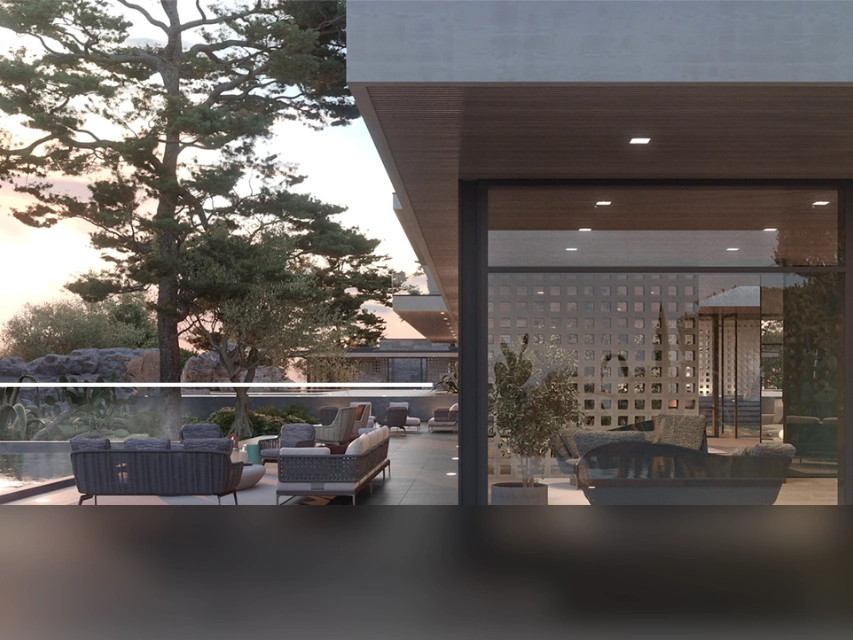
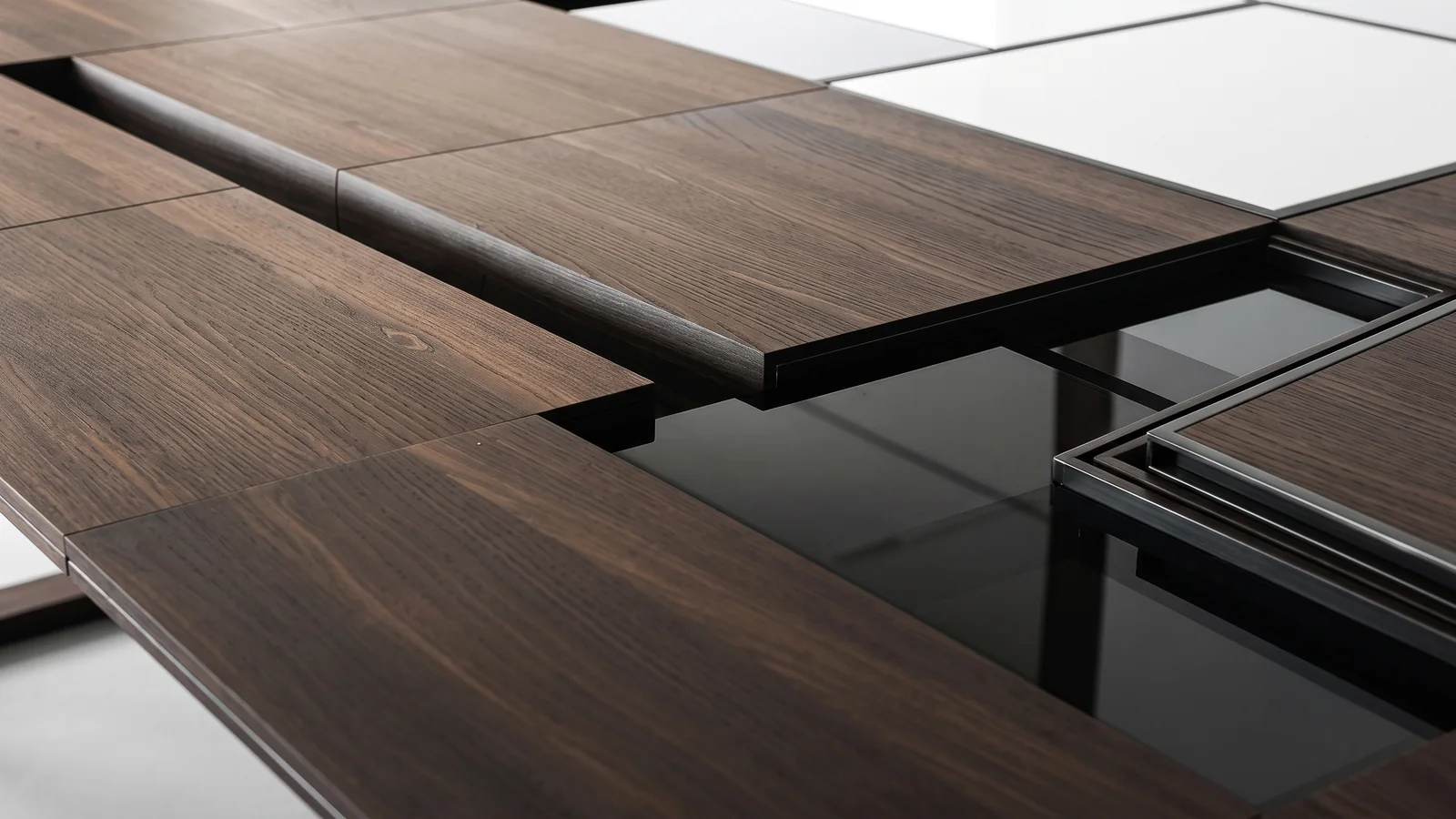
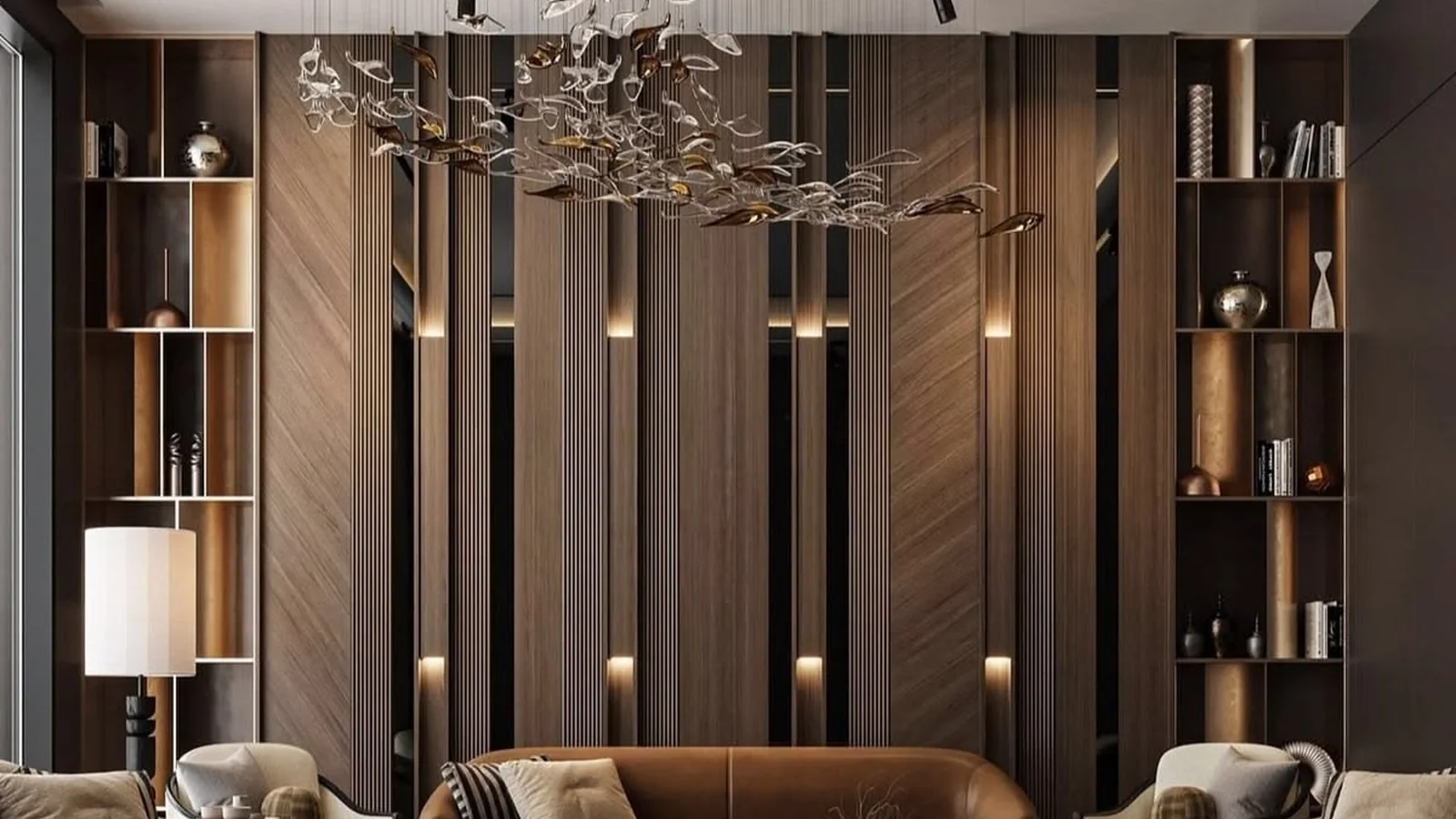


Each year, the world's leading furniture and design exhibitions do more than unveil new collections. They serve as a barometer for the industry's evolution, revealing emerging directions in materials, technology, colour palettes, and design philosophy that often influence markets worldwide.
Following this year's international exhibition season, several key trends have emerged that are expected to shape the future of residential, hospitality, workplace, and commercial interiors.
1. Human-centred design continues to lead the way
While aesthetics remain essential, today's leading brands are placing greater emphasis on the way people experience a space.
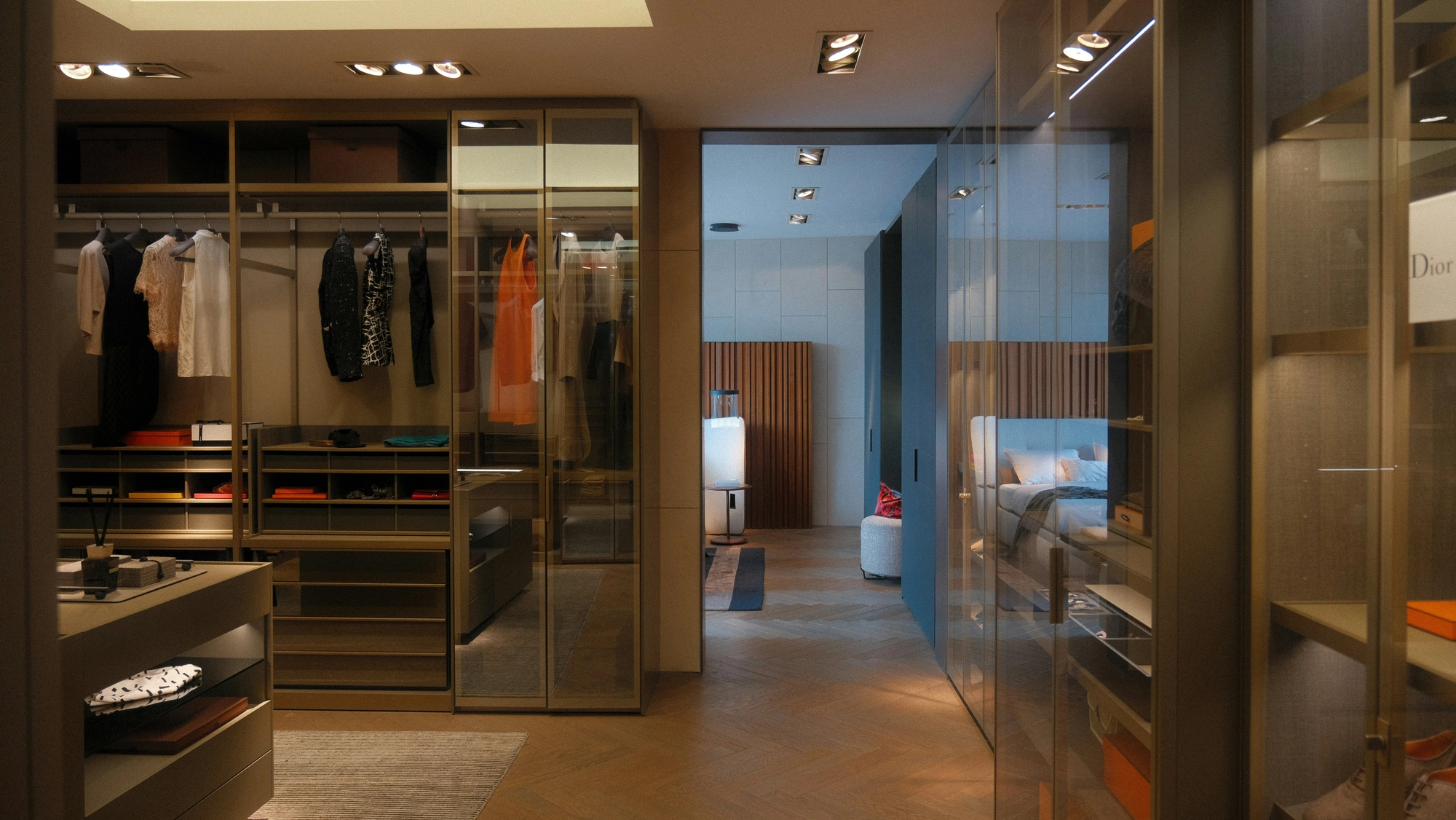
Furniture and interior solutions are increasingly designed to enhance comfort, adaptability, and everyday functionality. Modular sofas, customizable storage systems, multifunctional workspaces, and flexible furniture solutions have become defining features of contemporary collections, reflecting a growing demand for interiors that adapt to evolving lifestyles and individual needs.
2. Sustainable materials are becoming the new standard
One of the strongest messages from this year's international exhibitions is that sustainability is no longer a competitive advantage. It has become an industry expectation.
Manufacturers are investing not only in renewable and recycled materials but also in production processes that reduce carbon emissions, improve energy efficiency, and extend product longevity. At the same time, increasing attention is being given to low-formaldehyde emissions, healthier indoor air quality, and material safety. This shift reflects a broader movement away from purchasing decisions based primarily on cost and toward solutions that deliver lasting value for both people and the environment.

3. Nature-inspired colours continue to define contemporary interiors
After years of bold and expressive colour palettes, many new collections have returned to the calming influence of nature.
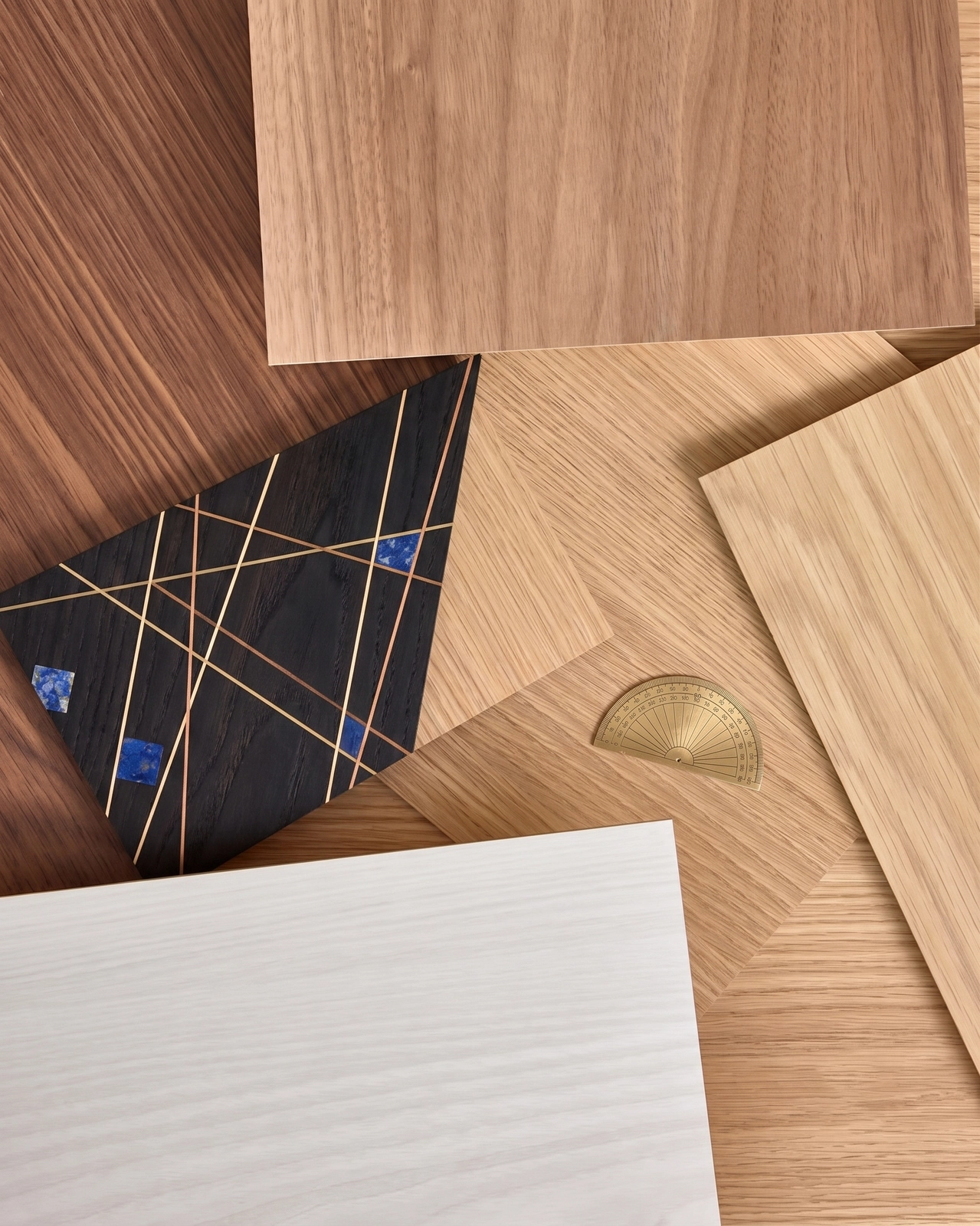
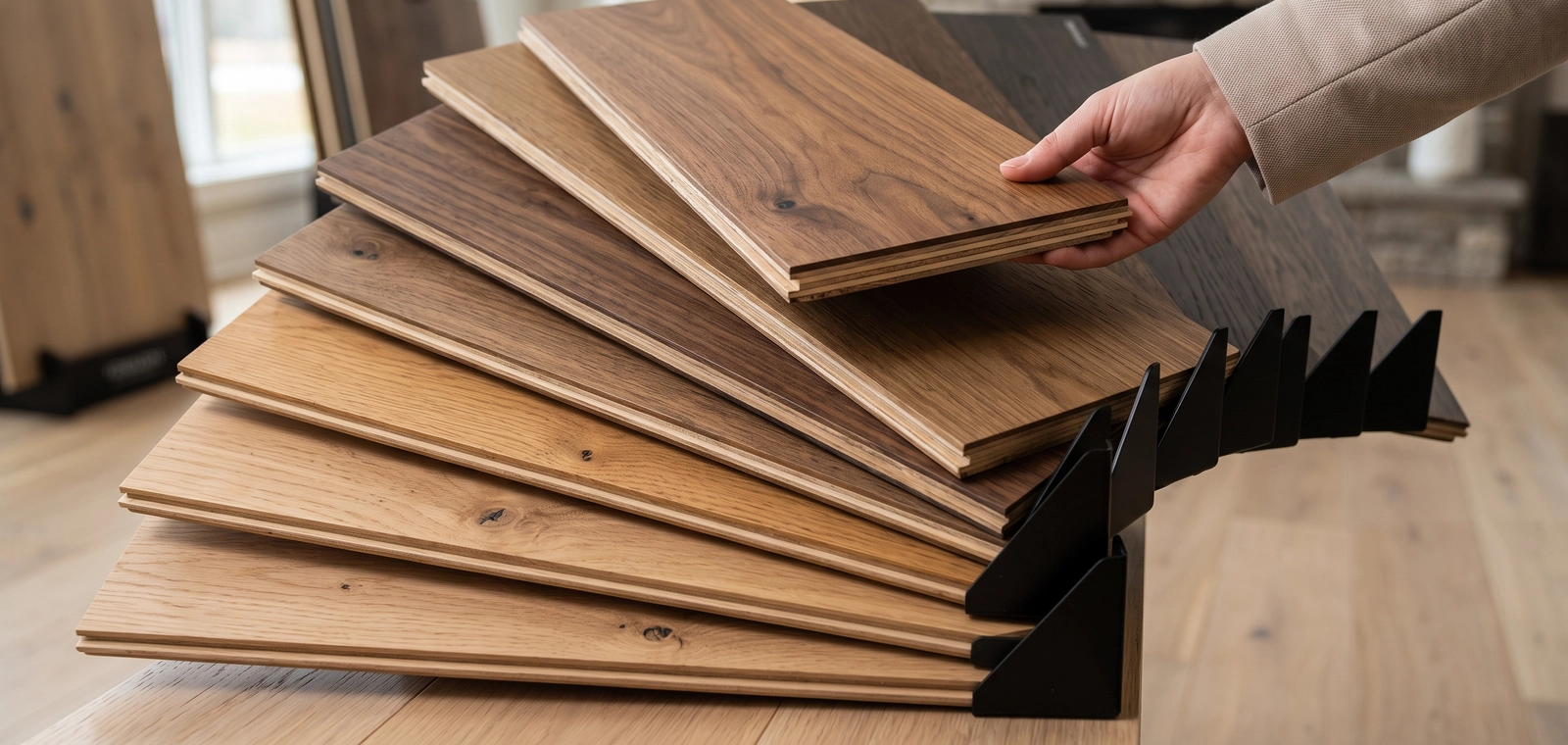
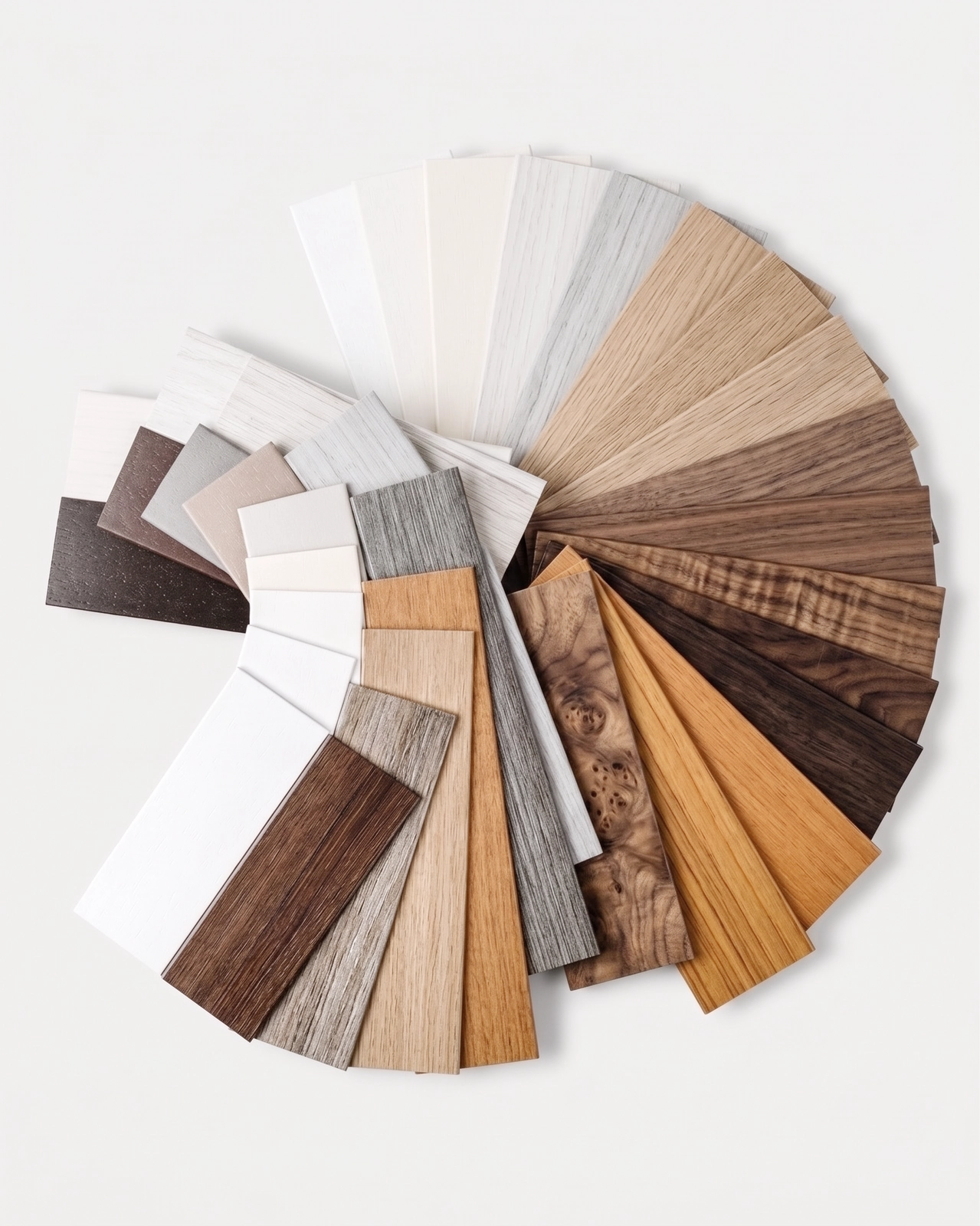
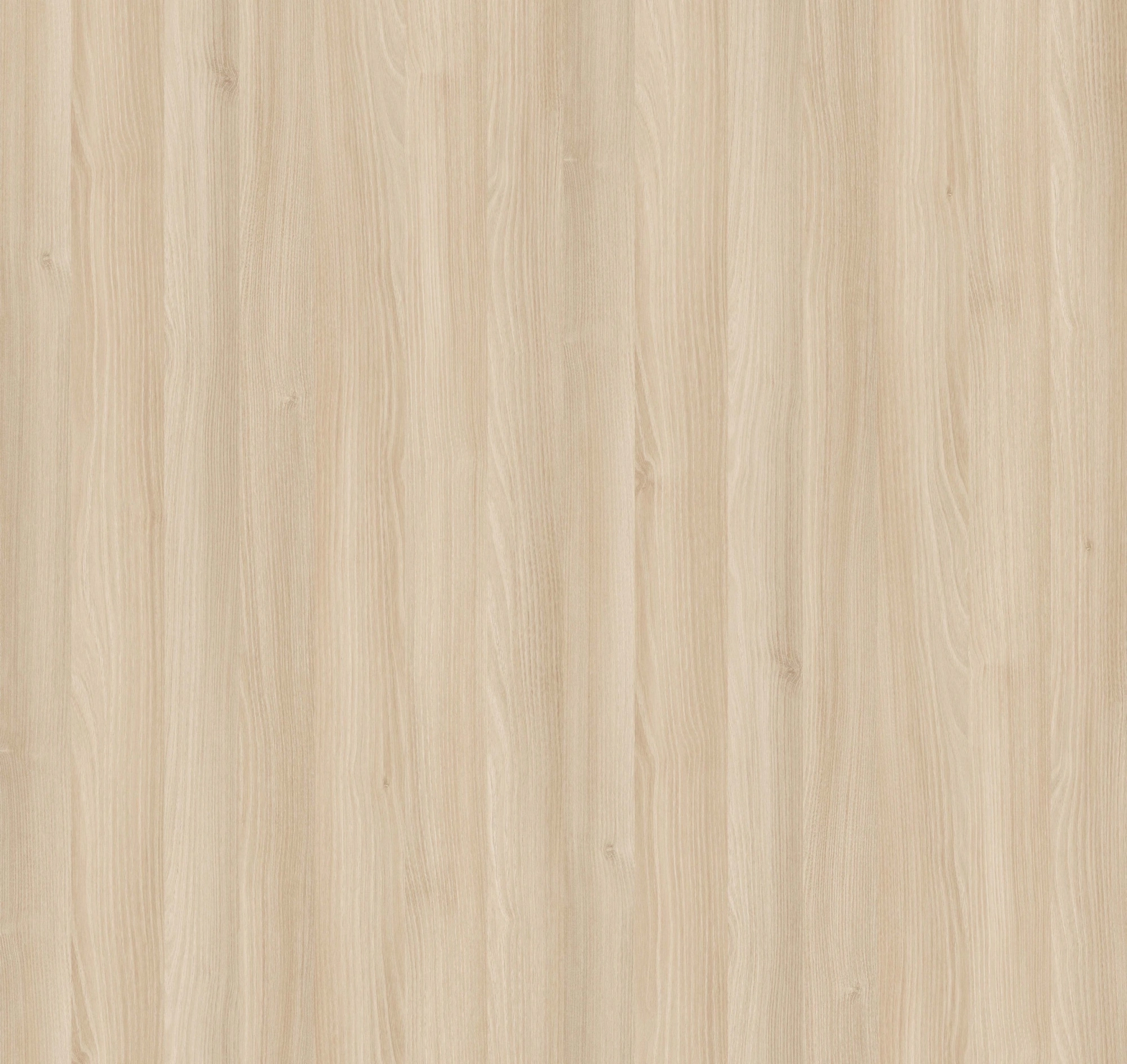
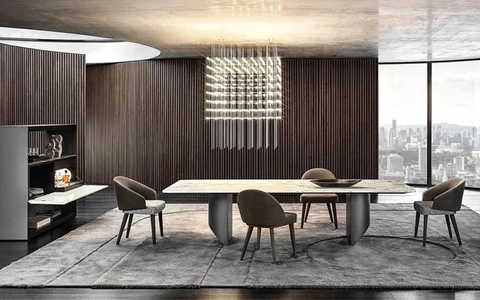
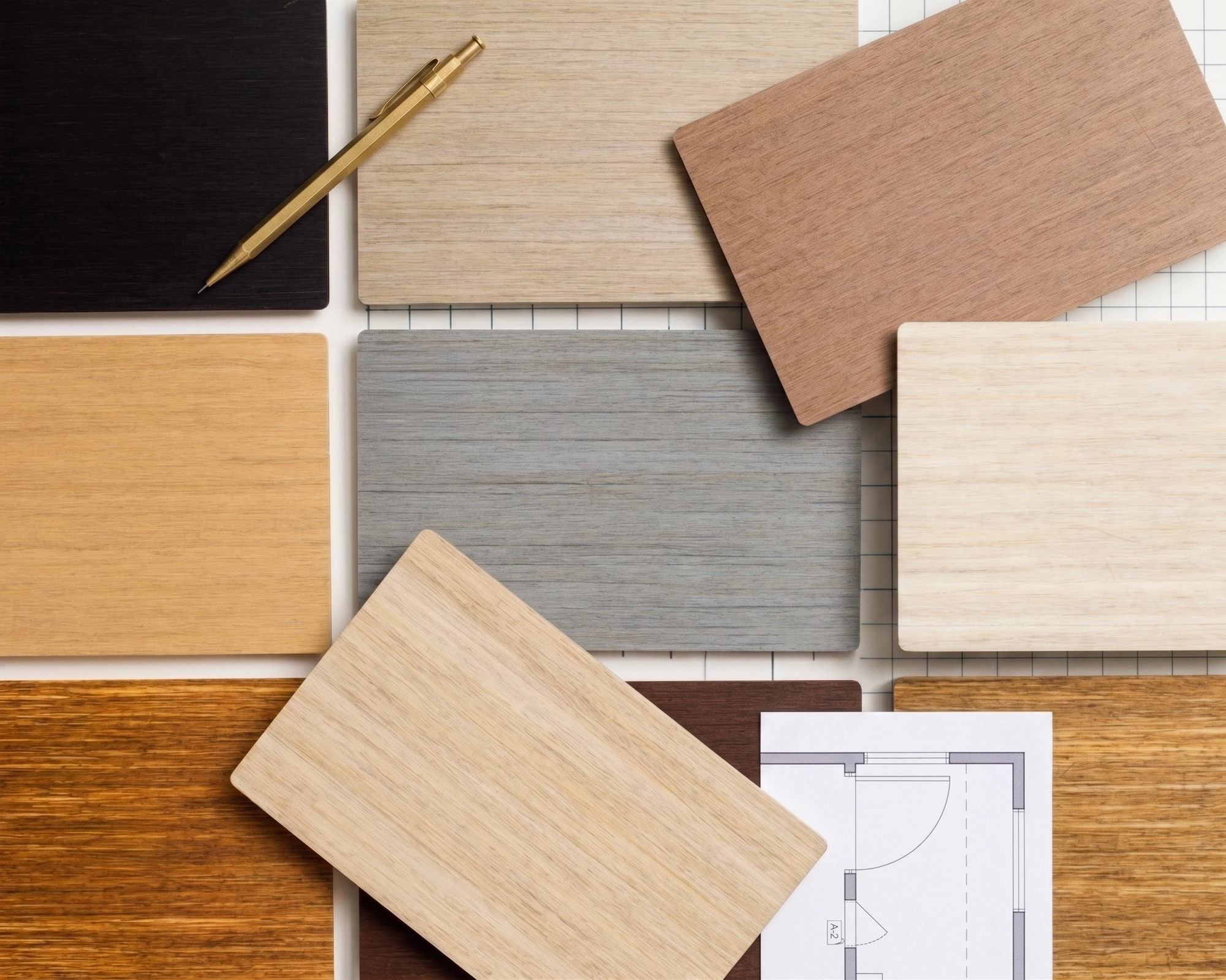
Warm beige, earthy browns, olive green, stone grey, natural wood tones, and soft neutral shades continue to dominate contemporary interiors. These timeless colours create warm, welcoming environments while offering exceptional versatility across different design styles. More importantly, they support a growing desire for interiors that promote balance, wellbeing, and a closer connection to the natural world.
4. Technology is cecoming an integral part of design
Digital innovation is no longer confined to the technology sector. It is becoming deeply embedded throughout the design process.
From 3D space visualization and AI-assisted design personalization to integrated smart home solutions, technology is transforming how products are designed, specified, and experienced. These innovations enable customers to make more informed decisions while helping businesses streamline consultation, improve project efficiency, and deliver more personalized design experiences.
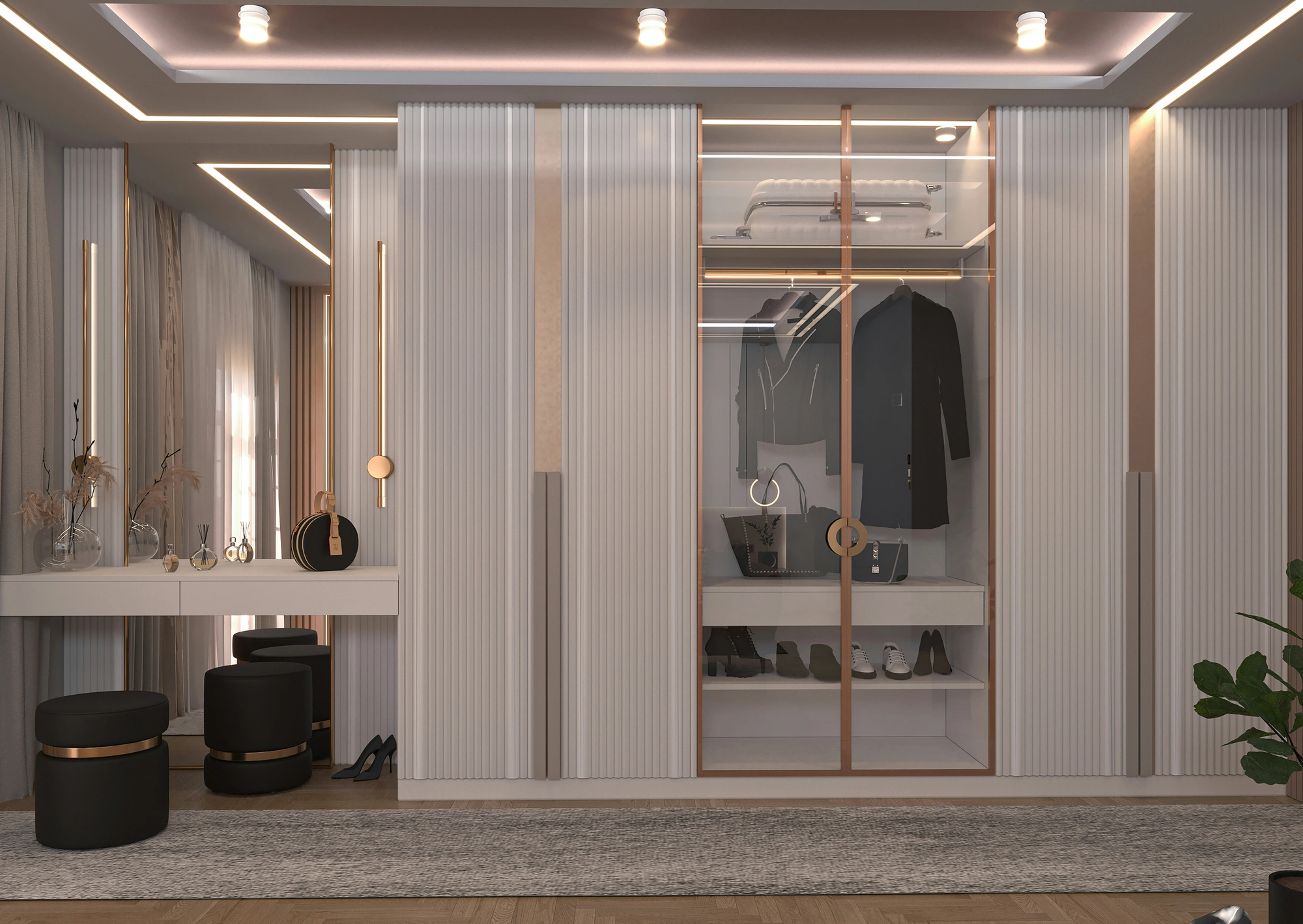
5. Flexible spaces for changing lifestyles
As the way people live and work continues to evolve, interior environments are expected to adapt with them.
Expandable furniture, movable partitions, modular layouts, and multifunctional solutions are increasingly valued across apartments, private residences, offices, and hospitality environments. Flexibility has become an essential design principle, allowing spaces to maximize functionality while extending the long-term value of interior investments.
6. Personal expression takes centre stage
Rather than following short-lived trends, designers and homeowners are increasingly seeking interiors that reflect individuality and personal values.
The thoughtful combination of materials, colours, lighting, and furnishings allows every project to develop its own unique identity while maintaining visual harmony and practical functionality. This growing demand for customization also creates new opportunities for manufacturers and suppliers to offer tailored solutions that address increasingly diverse project requirements.

International exhibitions continue to shape the future of interior design
The trends emerging from this year's global design exhibitions highlight an industry entering a new phase, where exceptional design, technological innovation, and sustainability work together to create lasting value.
For manufacturers and suppliers of interior materials, staying aligned with these global developments is essential. It enables companies to introduce innovative products, provide informed guidance to architects, designers, developers, and contractors, and deliver solutions that meet the expectations of today's market.
As consumers place greater importance on quality of life, healthier living environments, and sustainable design, the ideas introduced at international exhibitions will continue to influence the direction of the interior design industry for years to come.