
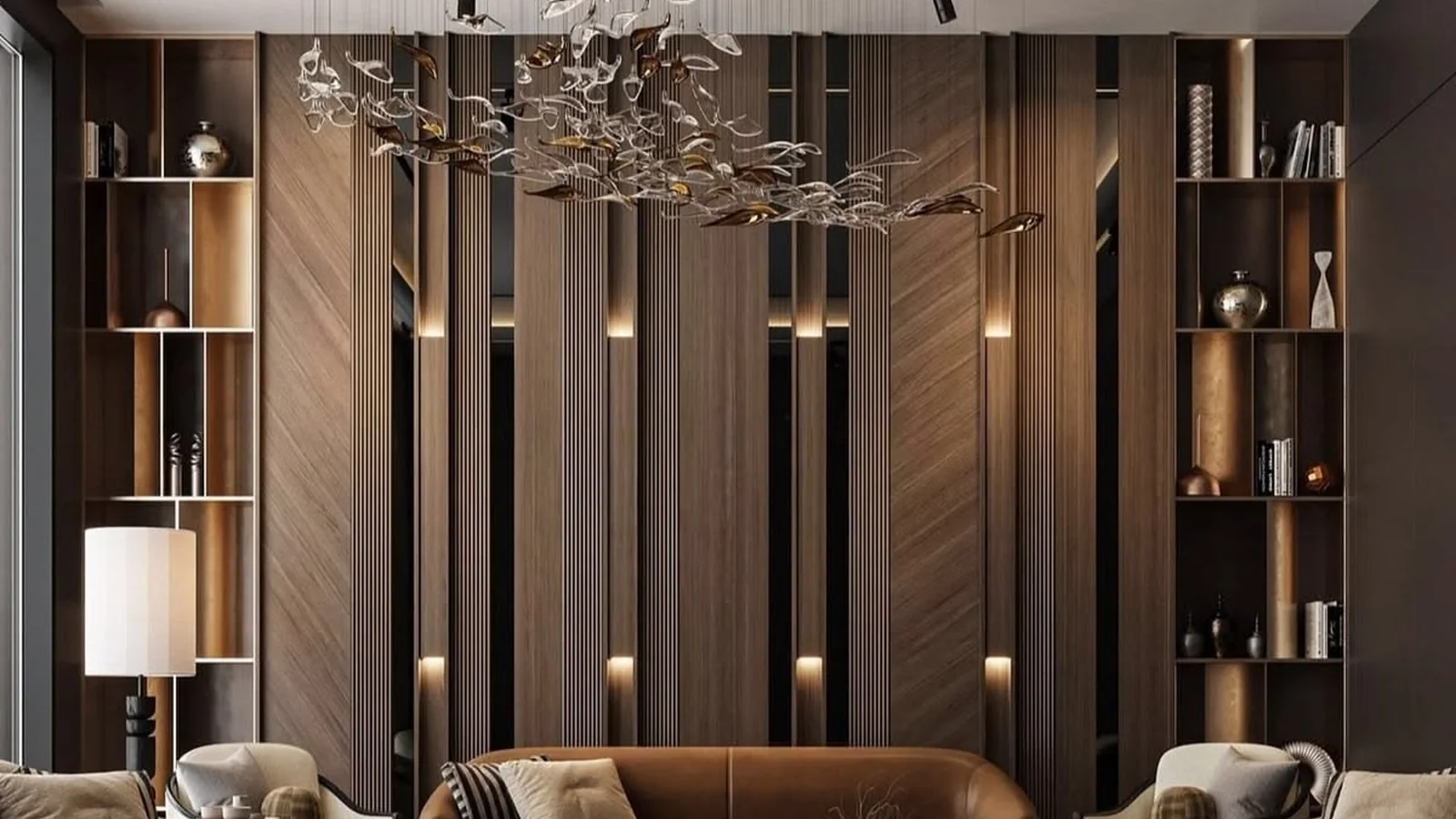
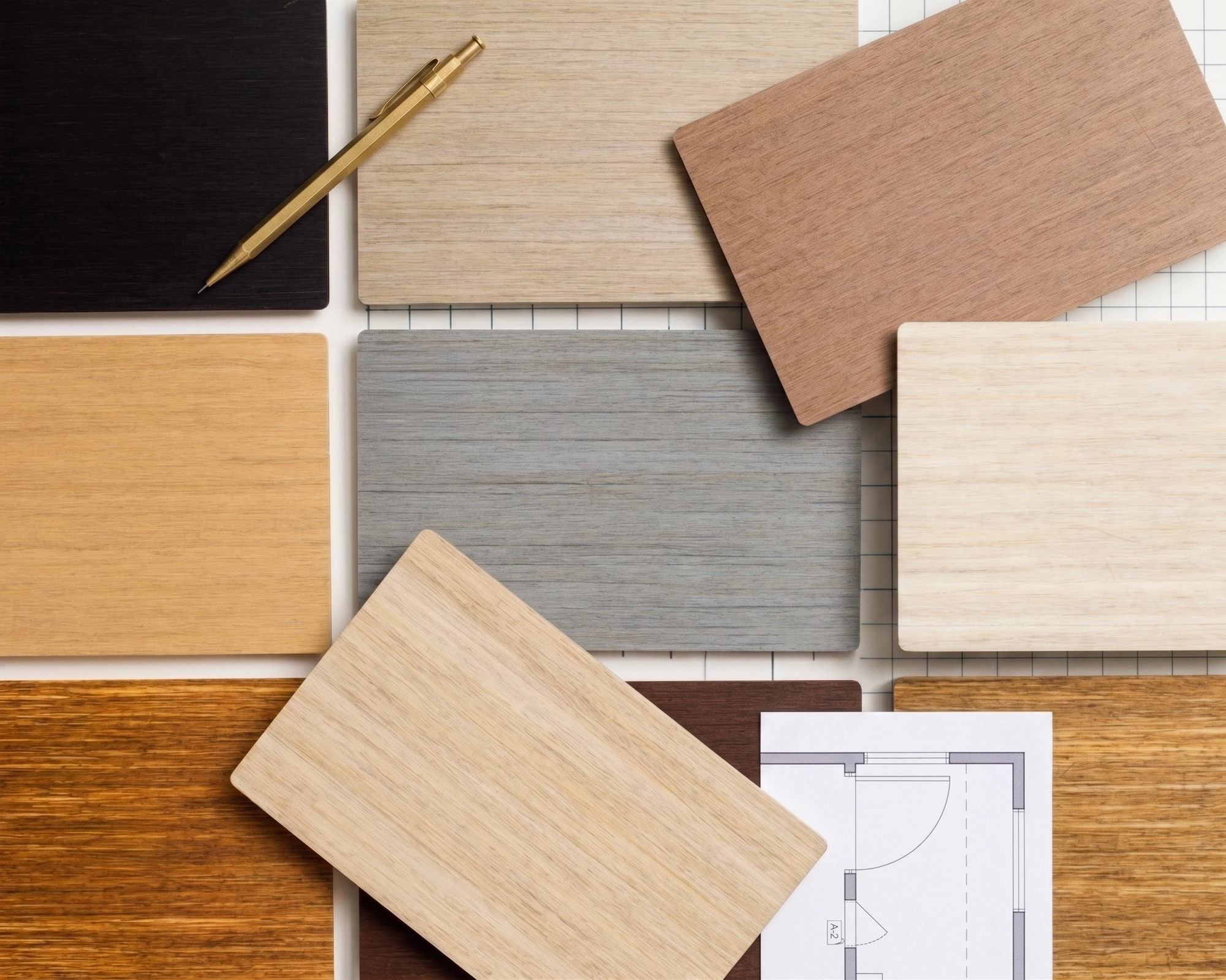

The year 2026 marks a significant evolution in interior design. While aesthetics and functionality remain essential, today's homeowners are seeking something more meaningful: spaces that support emotional well-being, promote mental wellness, and express their unique identities.
Rather than chasing short-lived trends, interior design is shifting toward lasting values, prioritizing comfort, connection, authenticity, and a more holistic living experience.
Wellness-centered living takes priority
Health and well-being continue to shape the future of residential design.
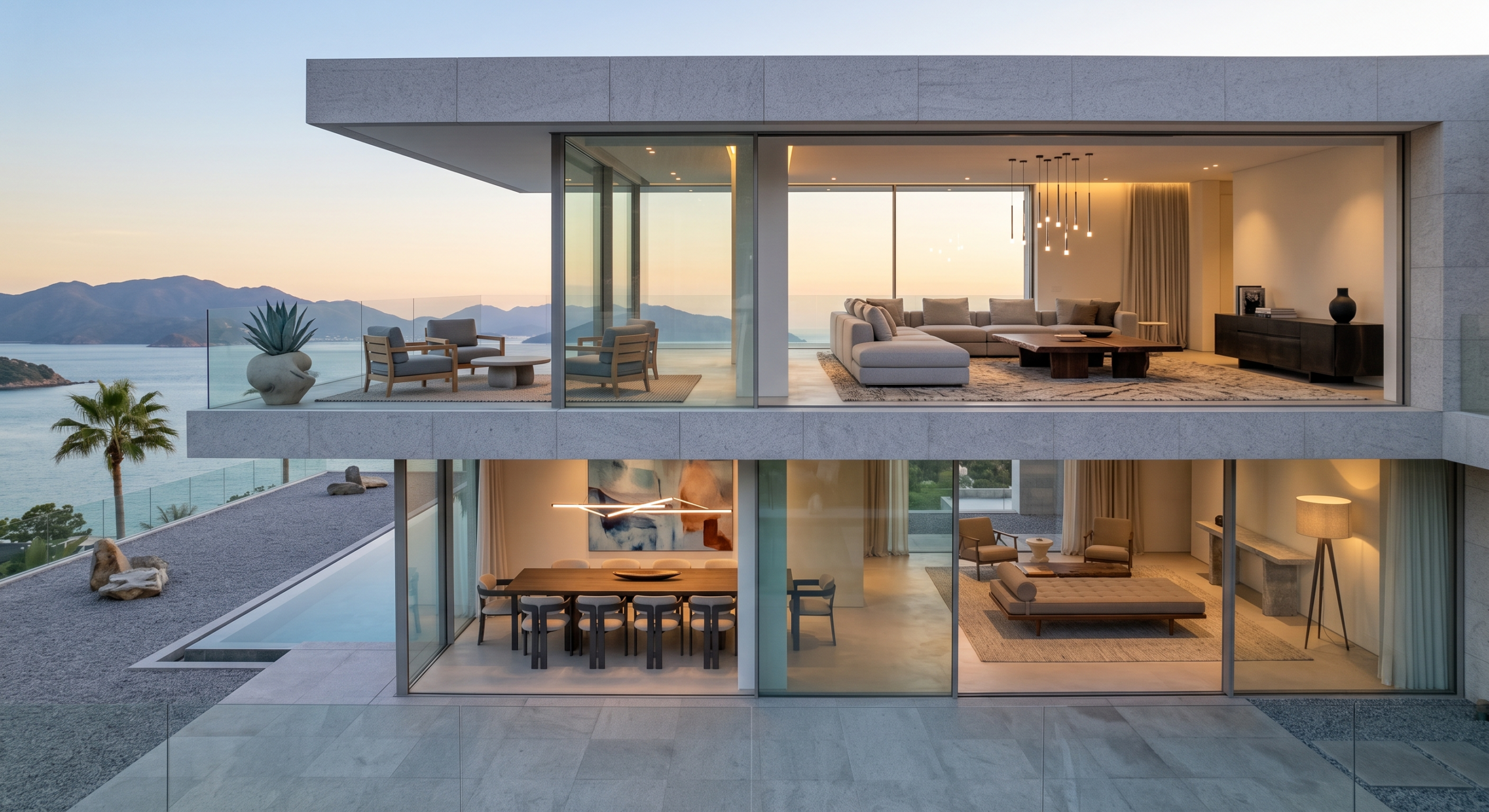
A home is no longer viewed simply as a place to live. It has become a sanctuary for relaxation, recovery, and restoring balance in an increasingly fast-paced world. As a result, designers are placing greater emphasis on natural daylight, effective ventilation, indoor greenery, and stronger connections with nature. Instead of overly elaborate or visually overwhelming interiors, homeowners are embracing environments that evoke calmness, tranquility, and everyday comfort.
Minimalism becomes softer and more inviting
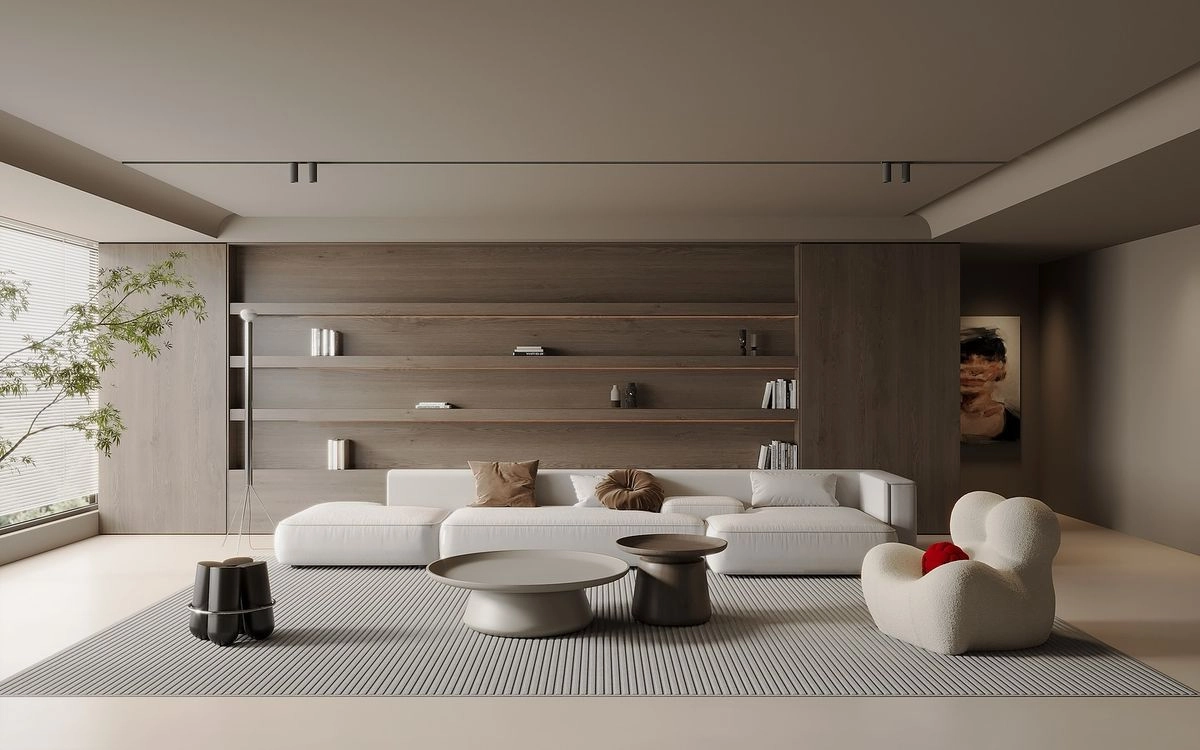
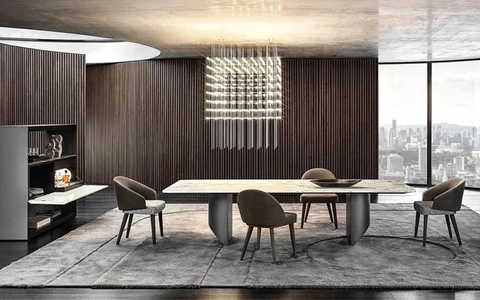
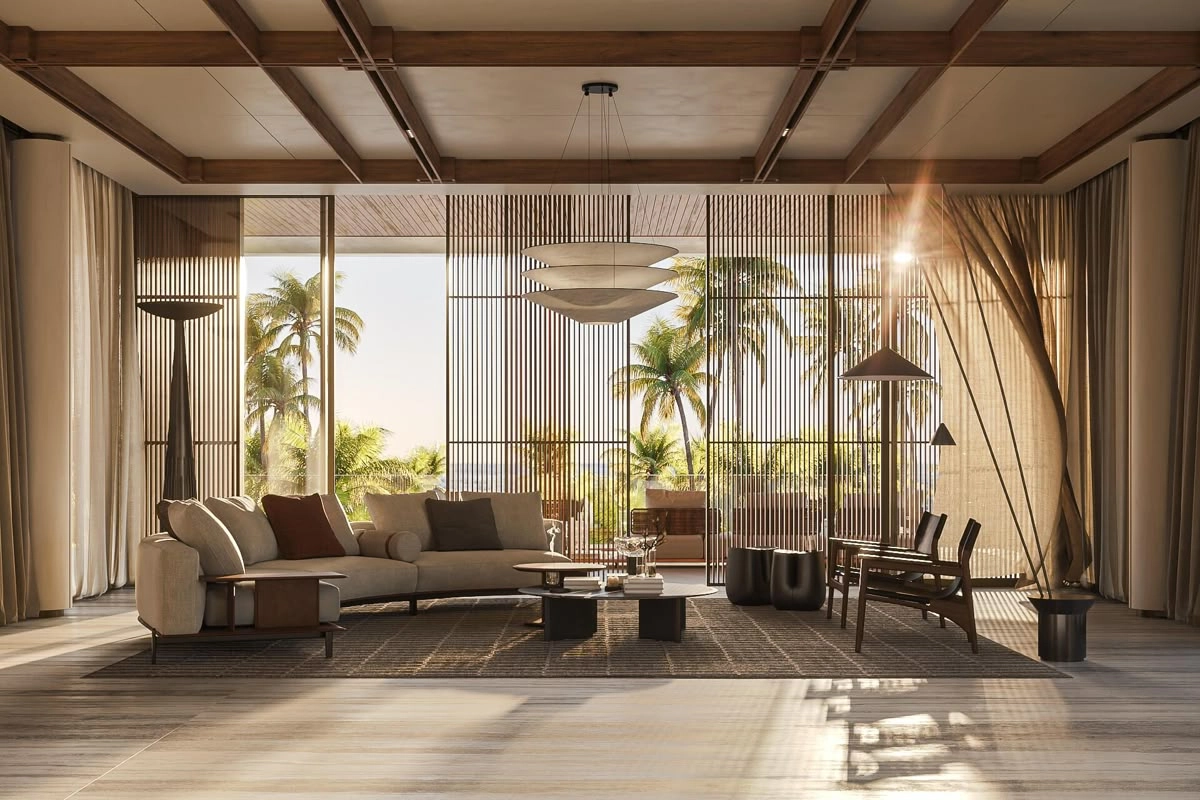
Minimalism remains a defining design philosophy, but it is evolving into a warmer and more personal expression.
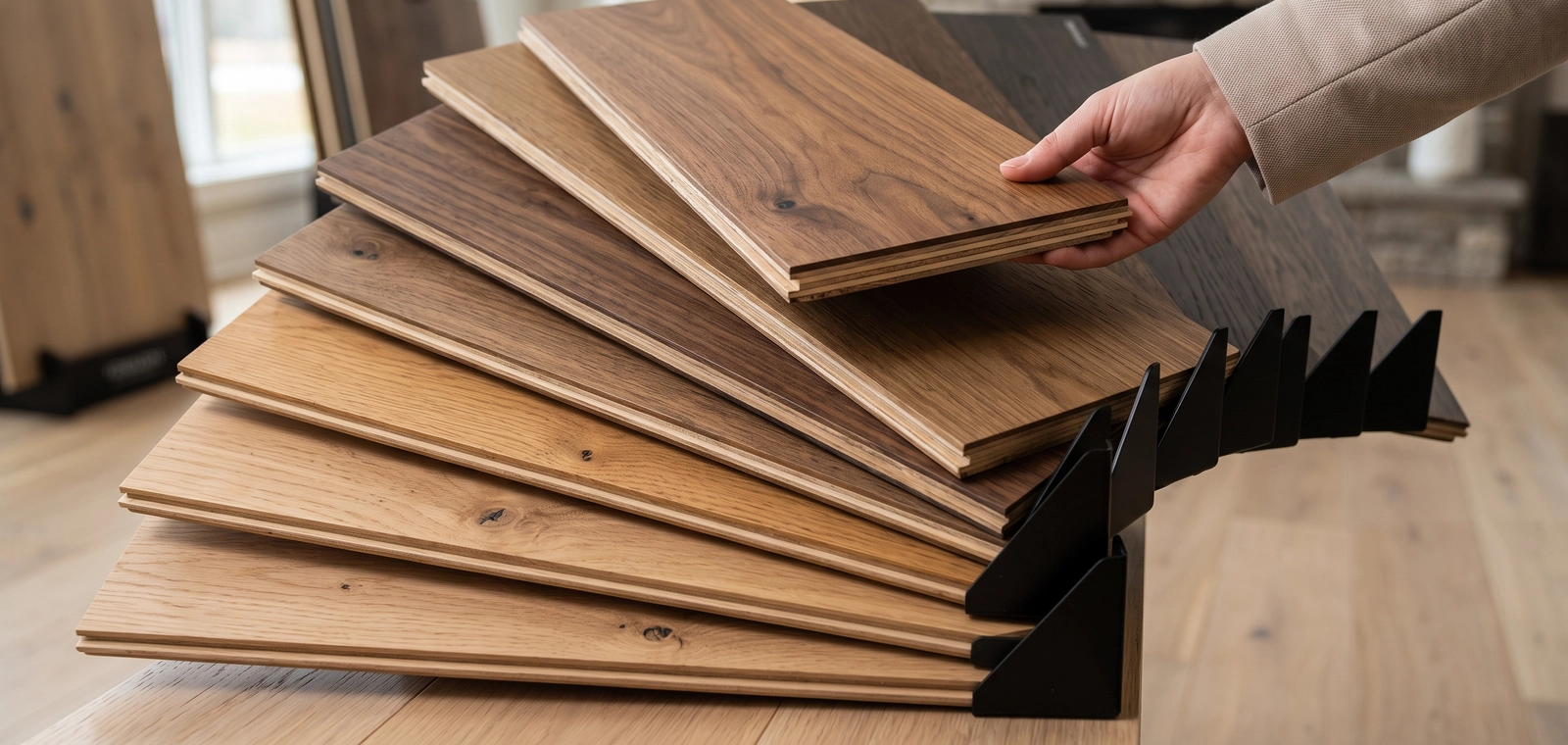
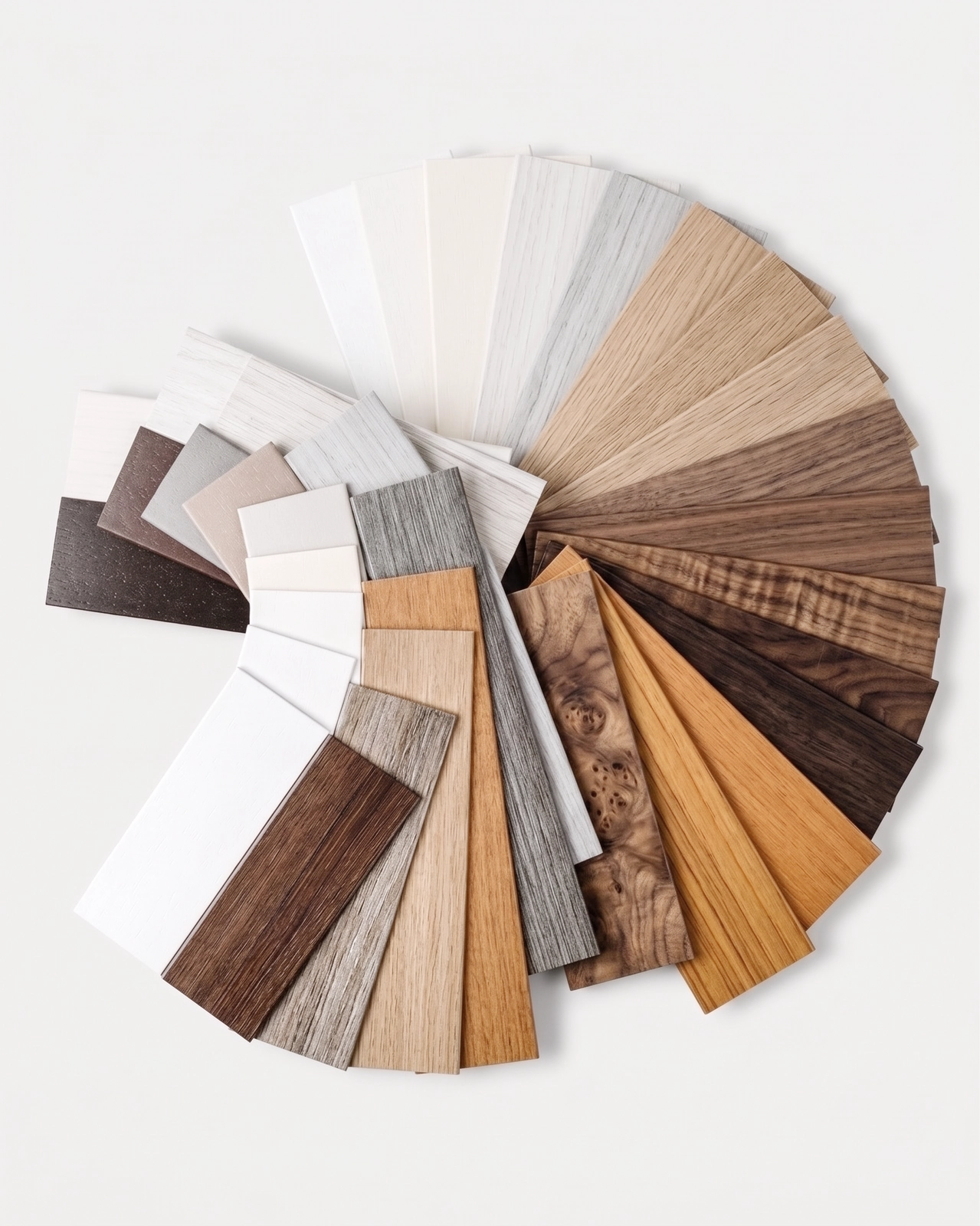
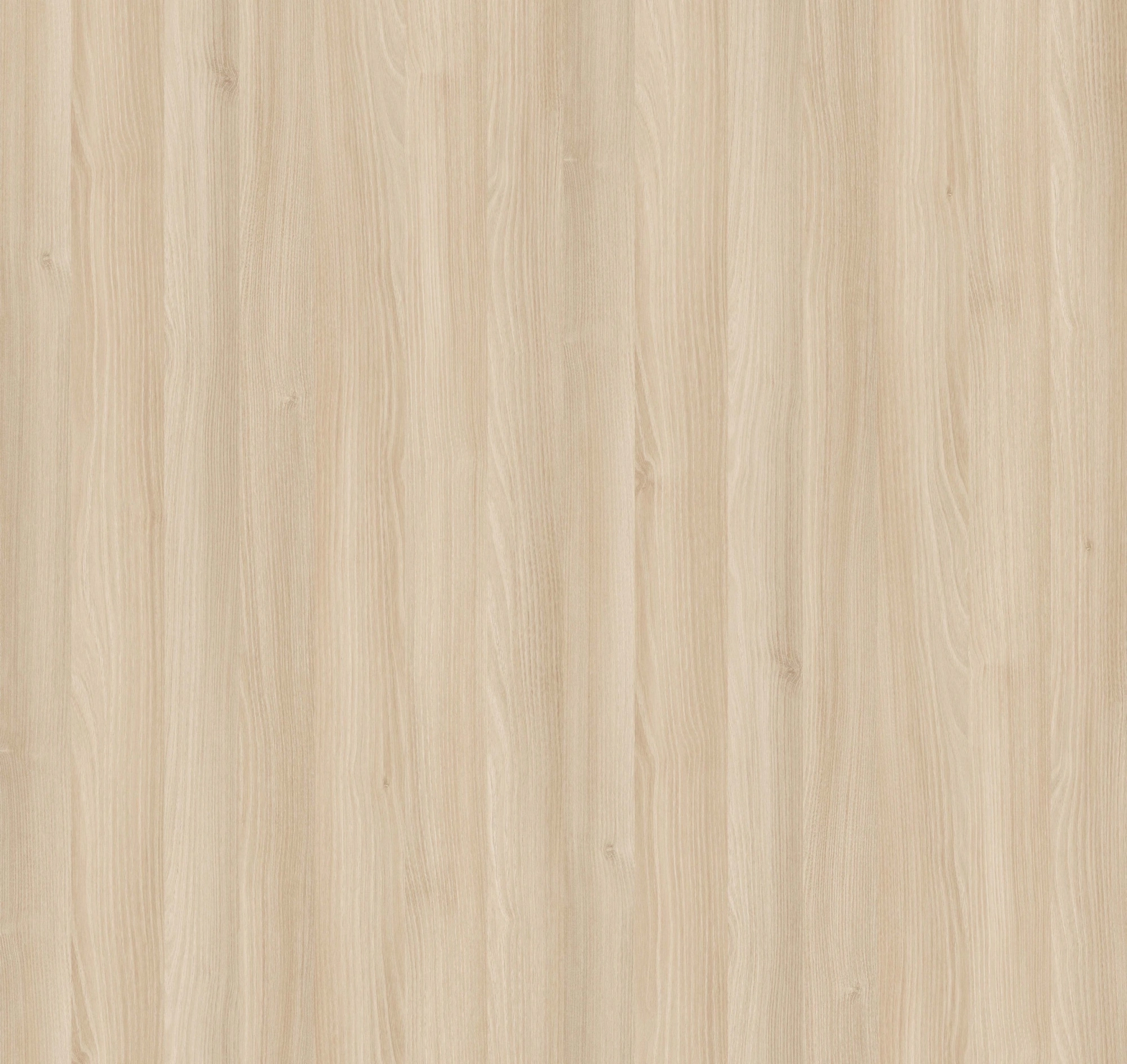
The stark white, highly restrained interiors of previous years are giving way to softer minimalist spaces filled with warmth and character. Rather than focusing on owning less for the sake of simplicity alone, the emphasis is now on choosing fewer but better pieces that deliver comfort, quality, and personal meaning. Warm neutral palettes, including beige, cream, soft brown, sand, and earthy tones, are increasingly favored for their ability to create welcoming and relaxing interiors.
Nature continues to inspire interior design
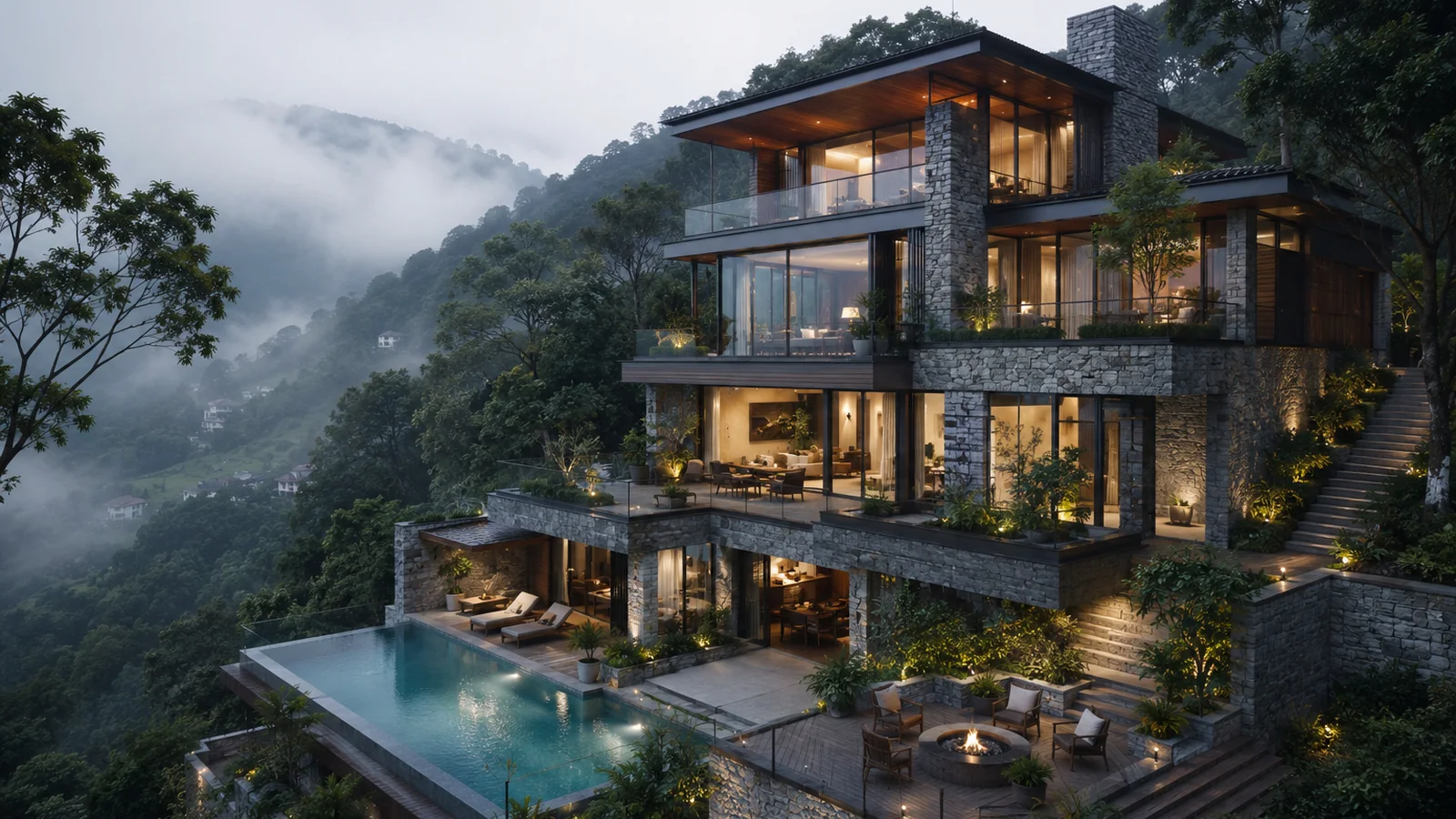
Biophilic design remains one of the strongest influences in 2026.
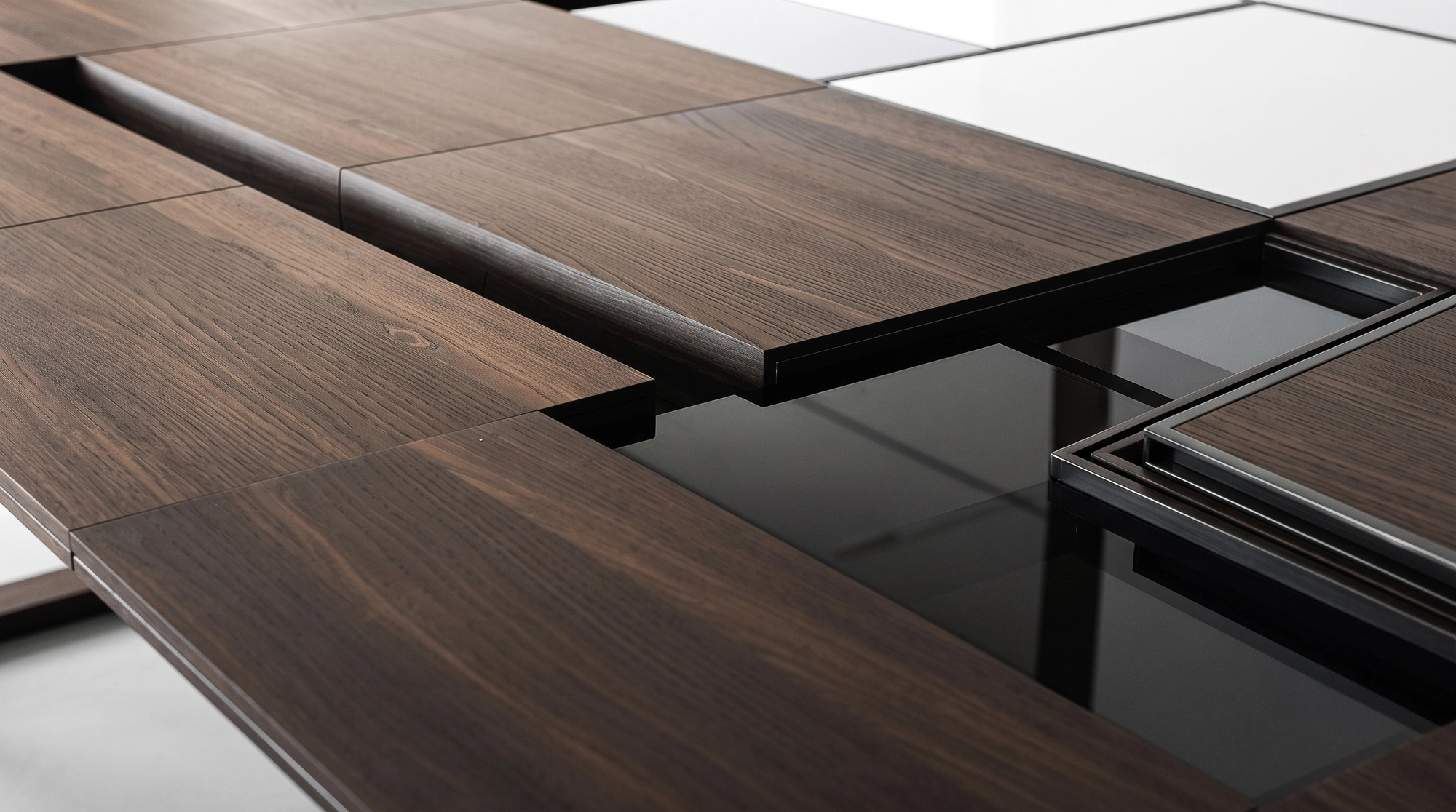
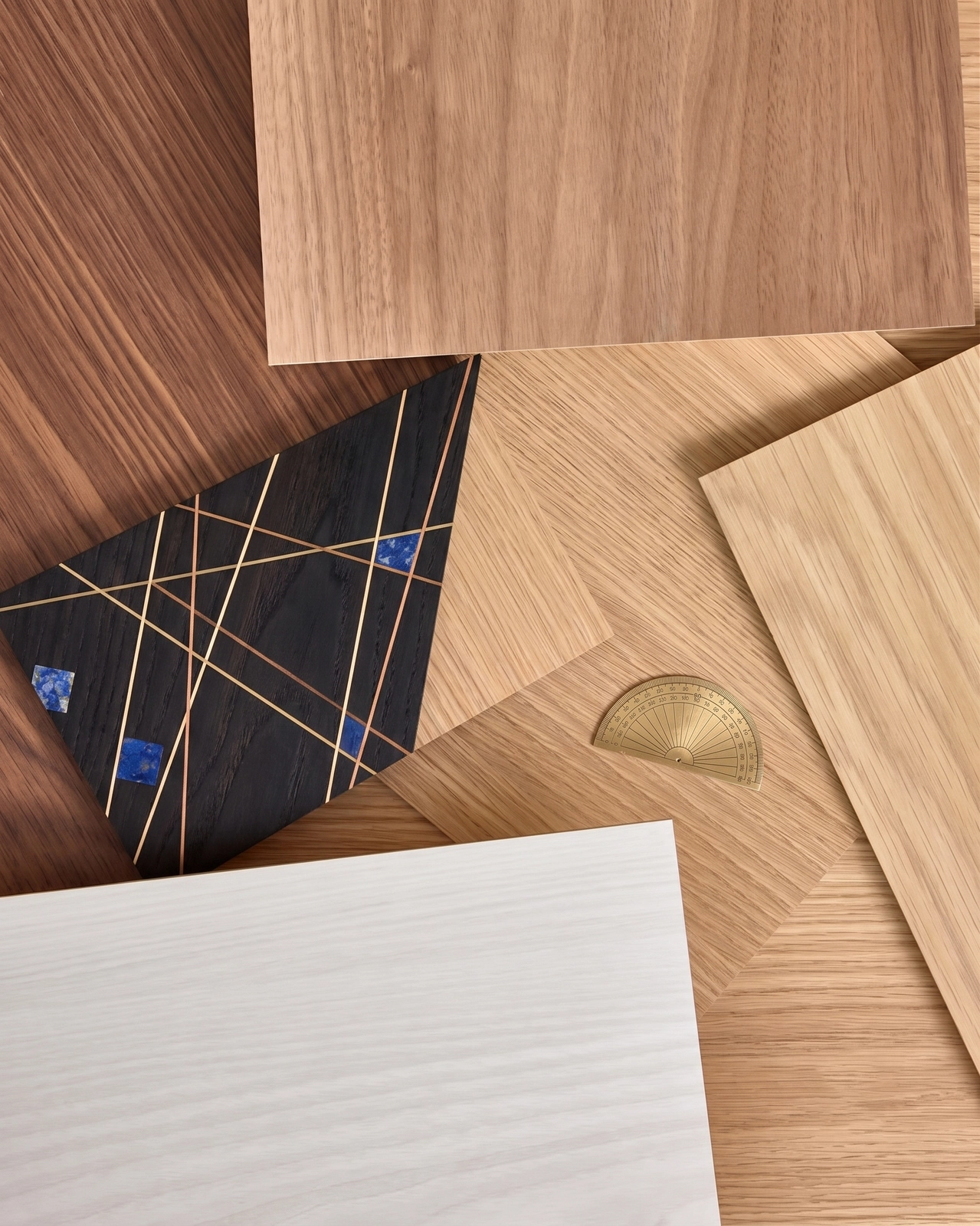
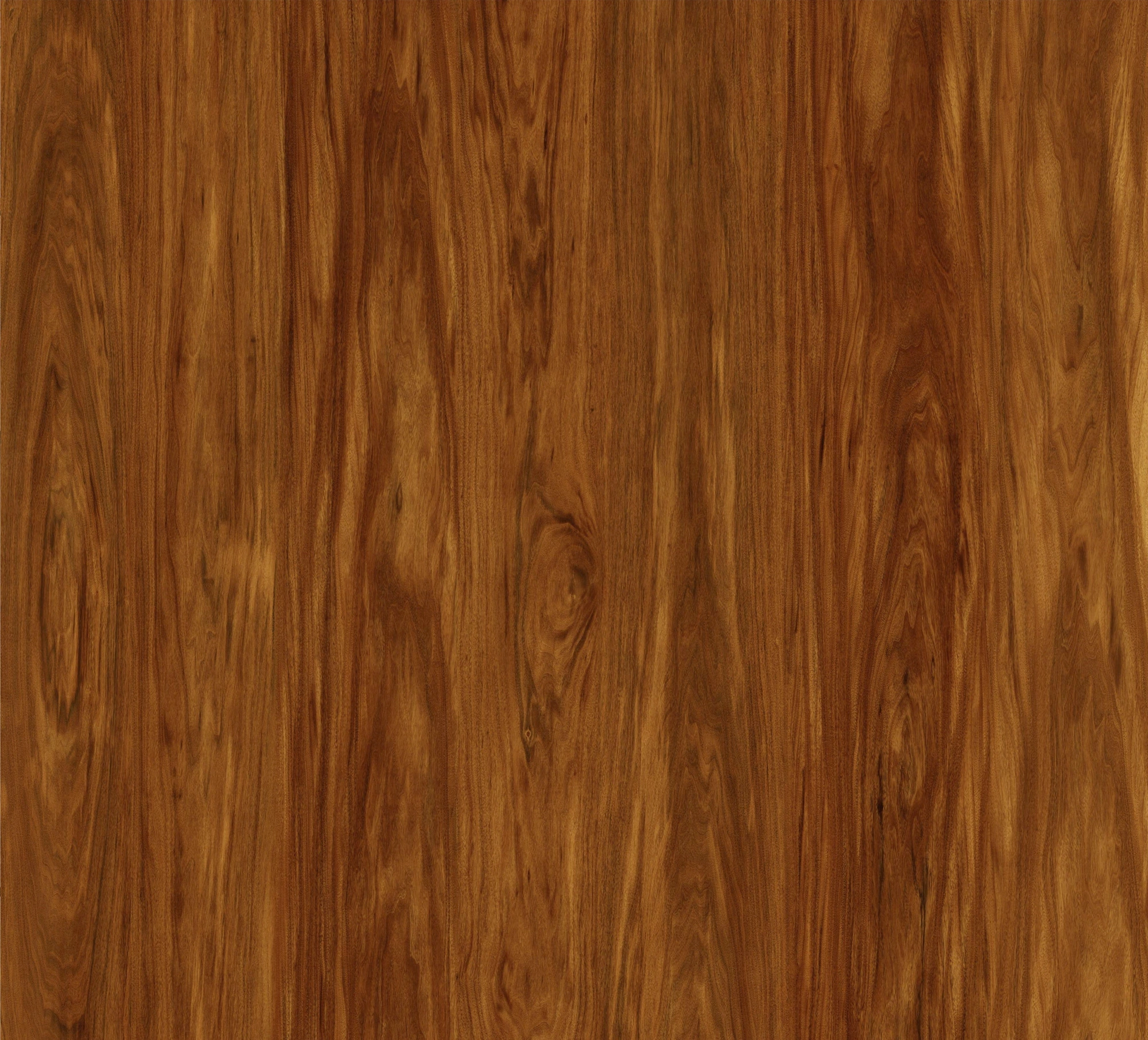
From color palettes and material selections to furniture forms and spatial composition, designers are drawing inspiration directly from the natural world. Organic curves, fluid silhouettes, and textures reminiscent of wood, stone, and earth are replacing rigid geometries and sharp architectural lines. Modern interiors are not simply designed to resemble nature. They aim to strengthen people's emotional connection with the environment and foster a greater sense of harmony within the home.
Personalization takes center stage
After years of social media-driven design trends and highly uniform aesthetics, 2026 celebrates individuality.
Homeowners increasingly want their living spaces to tell their own stories, reflecting personal lifestyles, tastes, and experiences. Instead of replicating a single design style, many are blending influences to create interiors that feel authentic and distinctive. Collectible pieces, artwork, handcrafted objects, travel souvenirs, and treasured heirlooms are becoming defining elements that add personality, emotional depth, and timeless character to a home.
Rich, expressive colors make a return
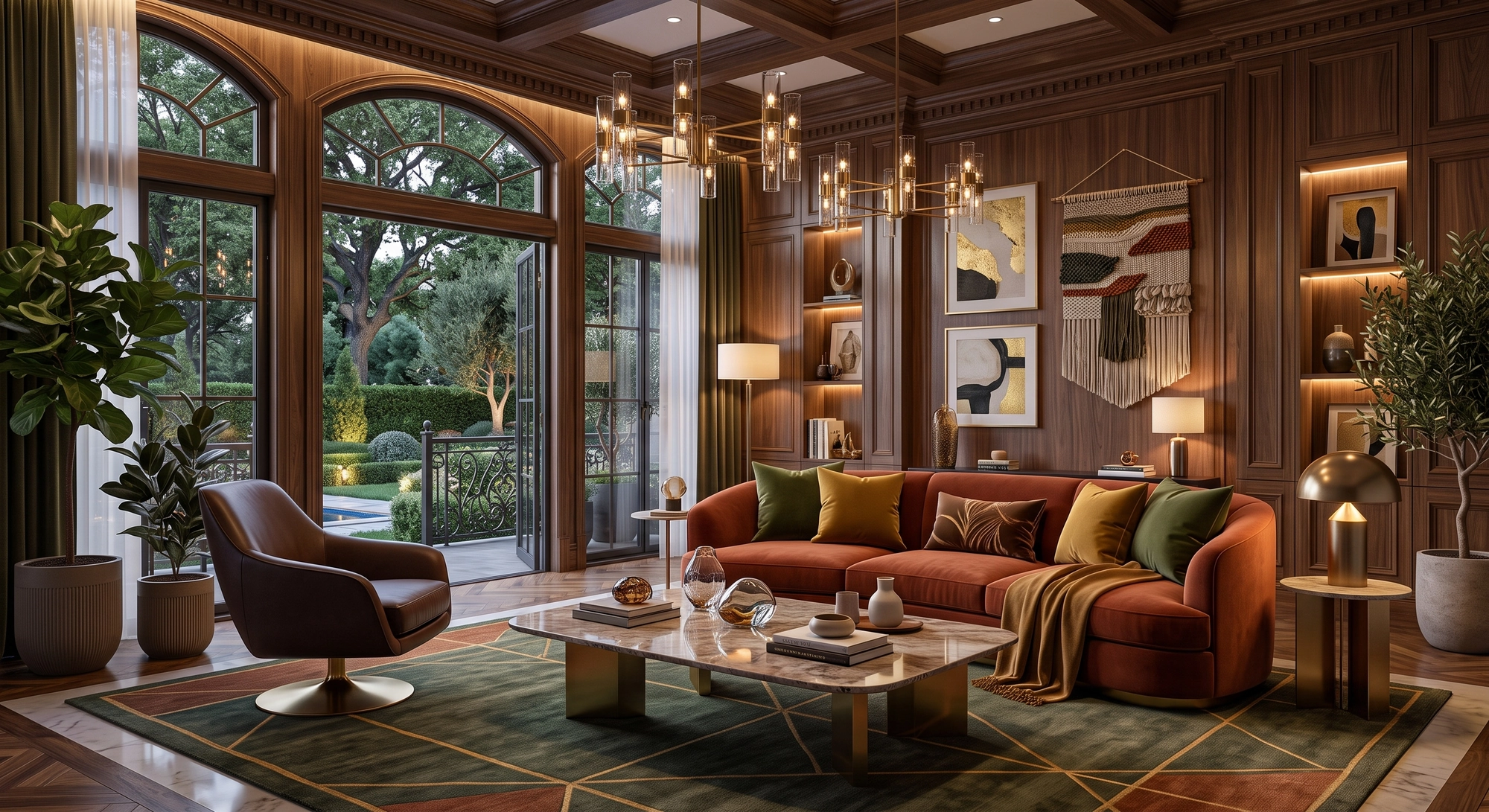
While neutral palettes remain popular, 2026 also welcomes the return of deeper, more expressive colors. Olive green, moss green, terracotta, earthy red, chocolate brown, and mustard yellow are being introduced as accent tones to bring warmth, richness, and visual interest into interiors. Rather than making bold statements purely for impact, color is increasingly used to create atmosphere, evoke emotion, and enhance the overall living experience.
Flexible spaces for modern living
The boundaries between home, work, and leisure continue to blur.
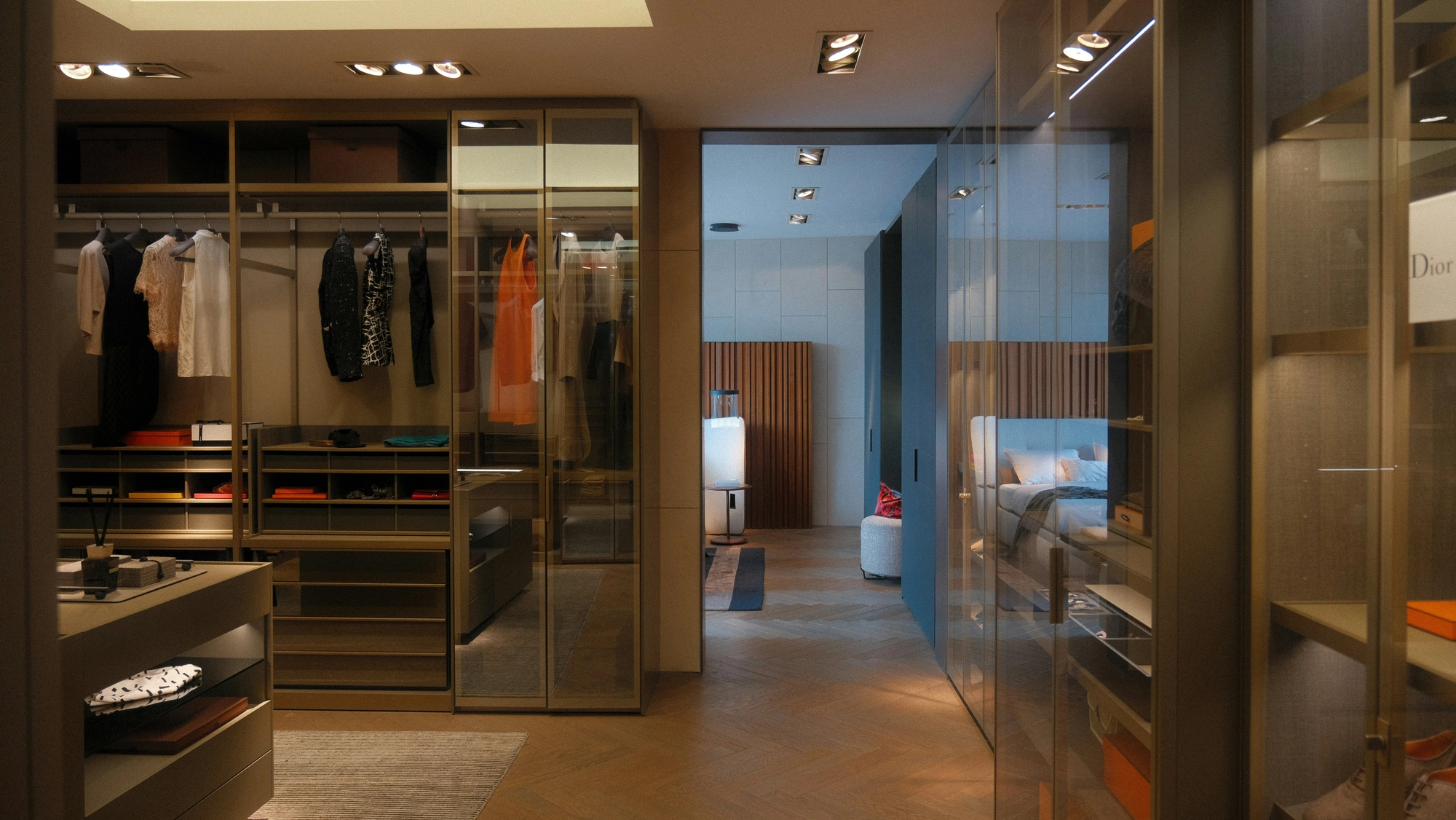
Modern homes are designed to accommodate multiple functions within the same footprint. Multifunctional furniture, adaptable layouts, and open-plan living allow spaces to transition seamlessly throughout the day while maintaining both comfort and visual harmony. Flexibility is no longer considered an optional feature. It has become a fundamental principle of contemporary residential design.
Sustainable design becomes the new standard
Sustainability continues to define the future of interior design in 2026.
Consumers are becoming more conscious of product longevity, environmental impact, and the ability to reuse or repurpose materials over time. Designs that emphasize durability, timeless appeal, and responsible material selection are valued more than ever.
Today, sustainability extends beyond eco-friendly materials. It represents a thoughtful design philosophy that creates enduring spaces capable of adapting and remaining relevant for years to come.
The interior design trends of 2026 reflect a profound shift in how people perceive their homes. Beyond visual appeal, living spaces are increasingly expected to enhance quality of life, nurture emotional well-being, and provide a sense of peace amid the demands of modern living.
Contemporary interiors are becoming a thoughtful balance of beauty and function, individuality and harmony, innovation and nature. More than ever, they are designed with one purpose in mind: creating spaces that genuinely support the people who live in them.