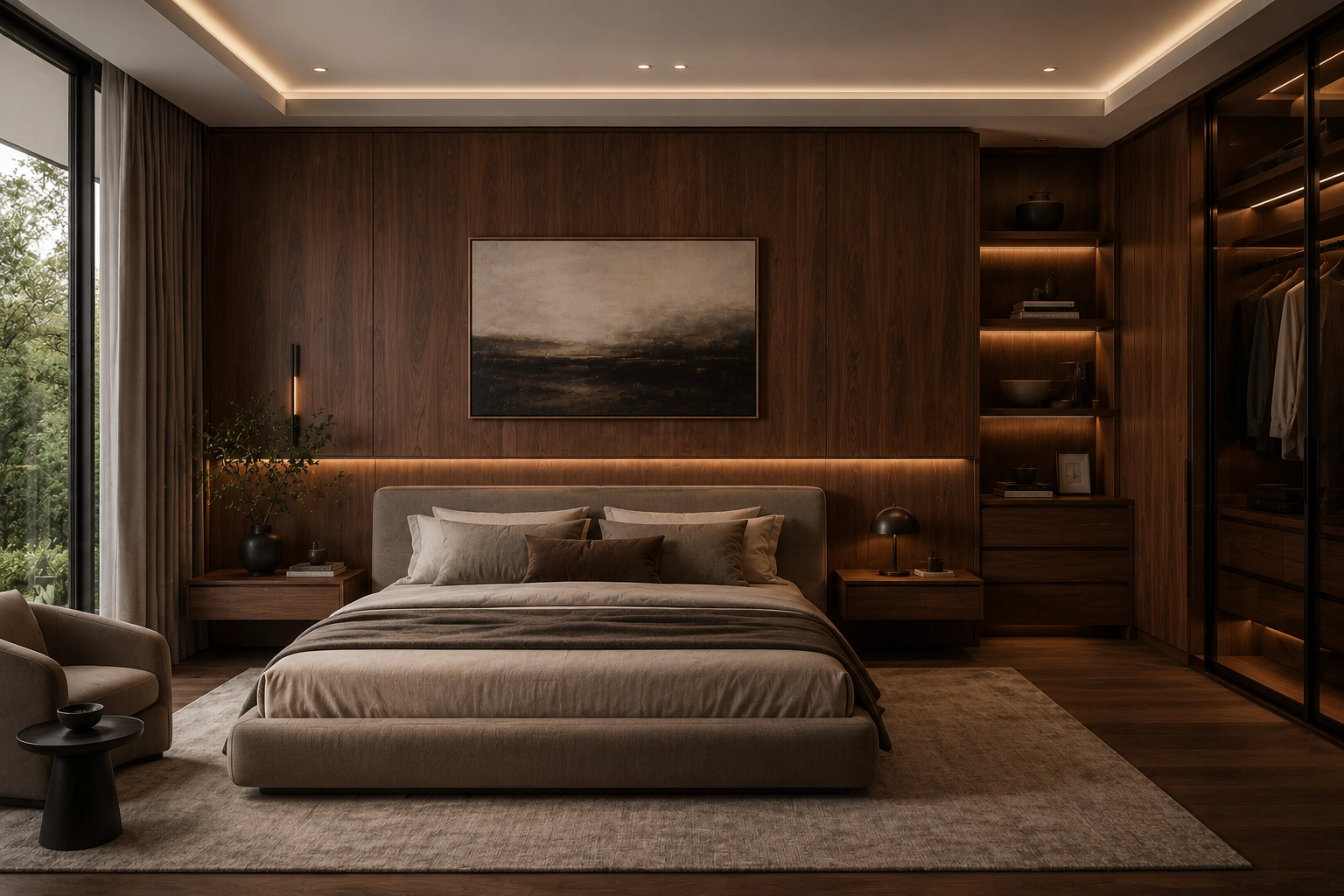

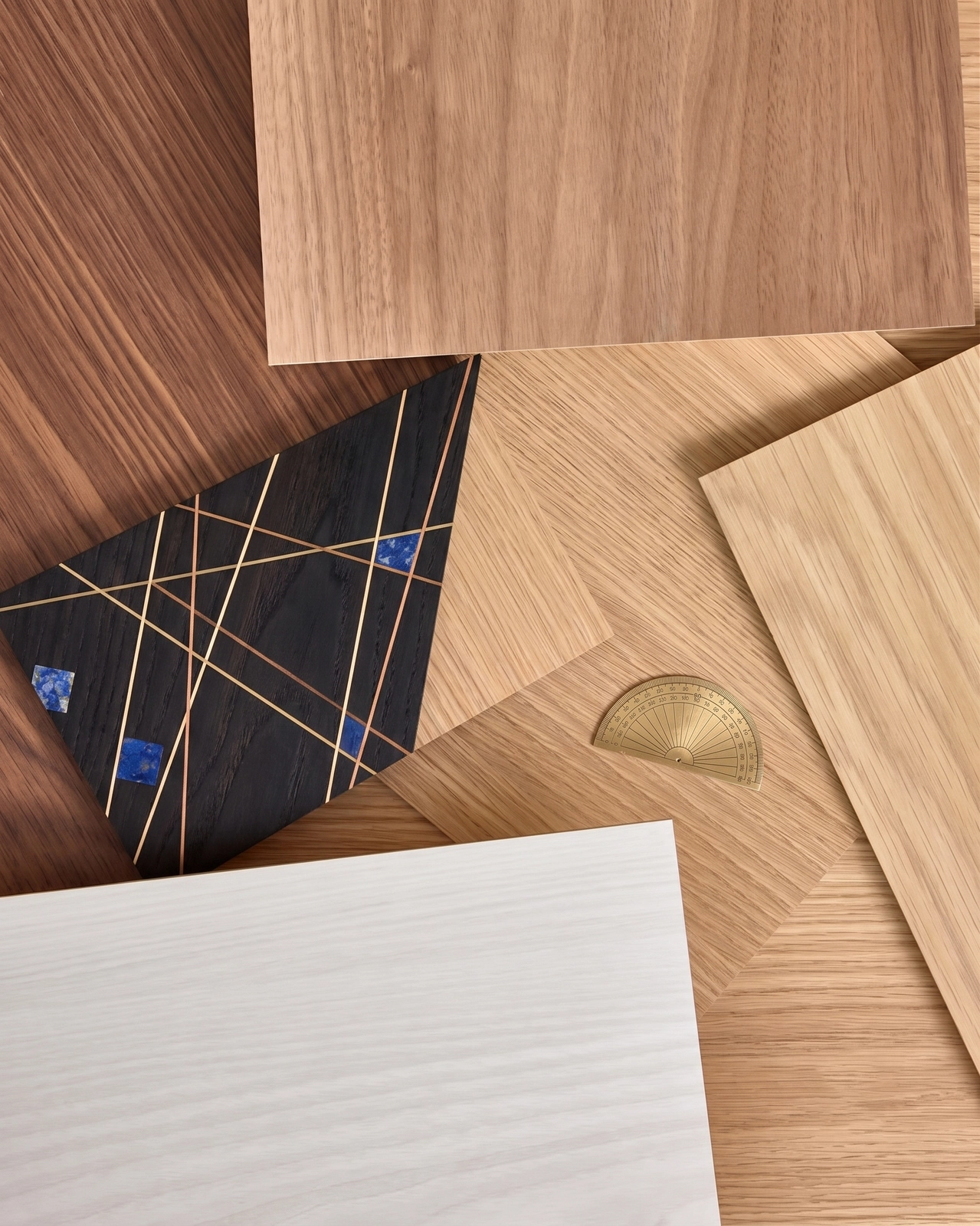
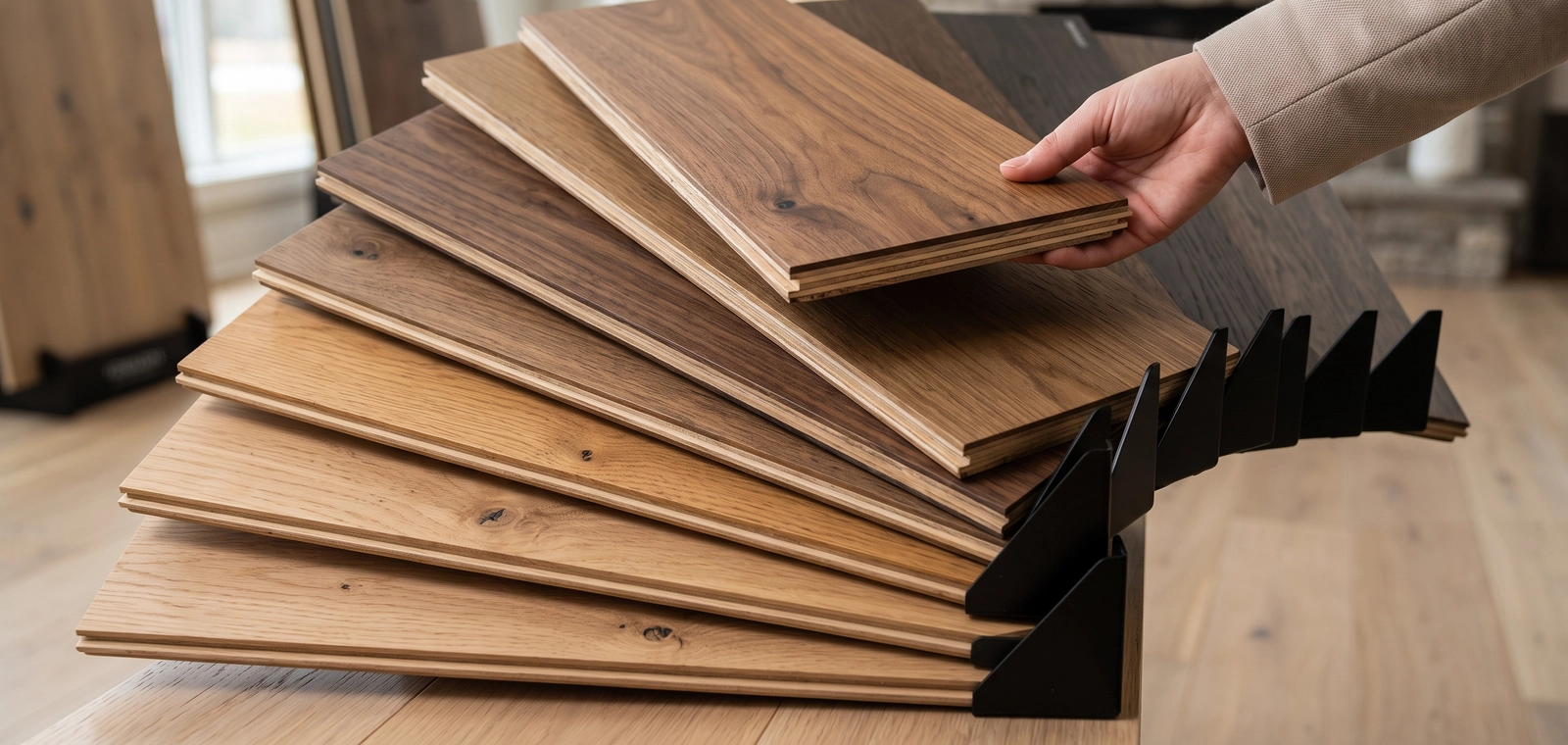
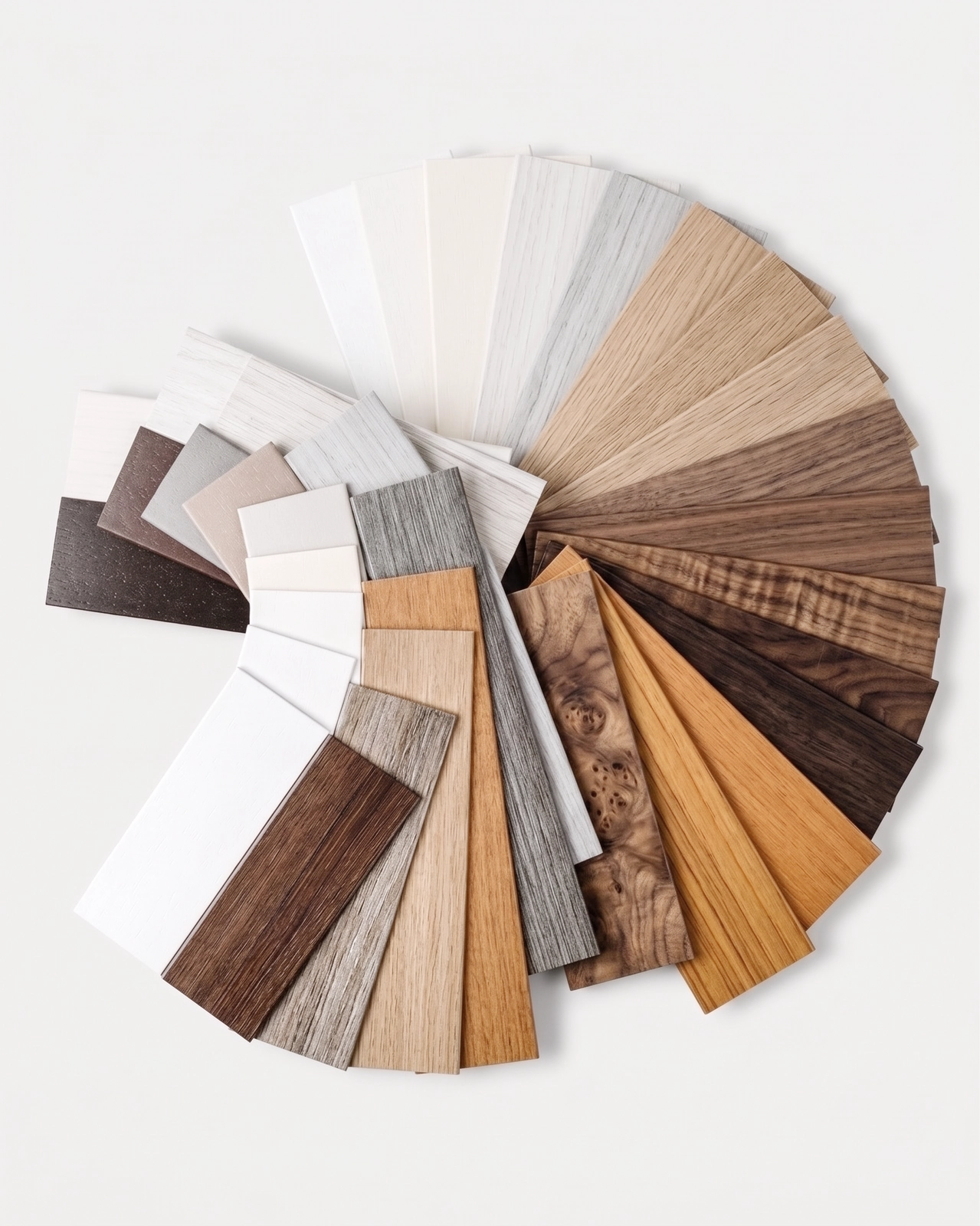
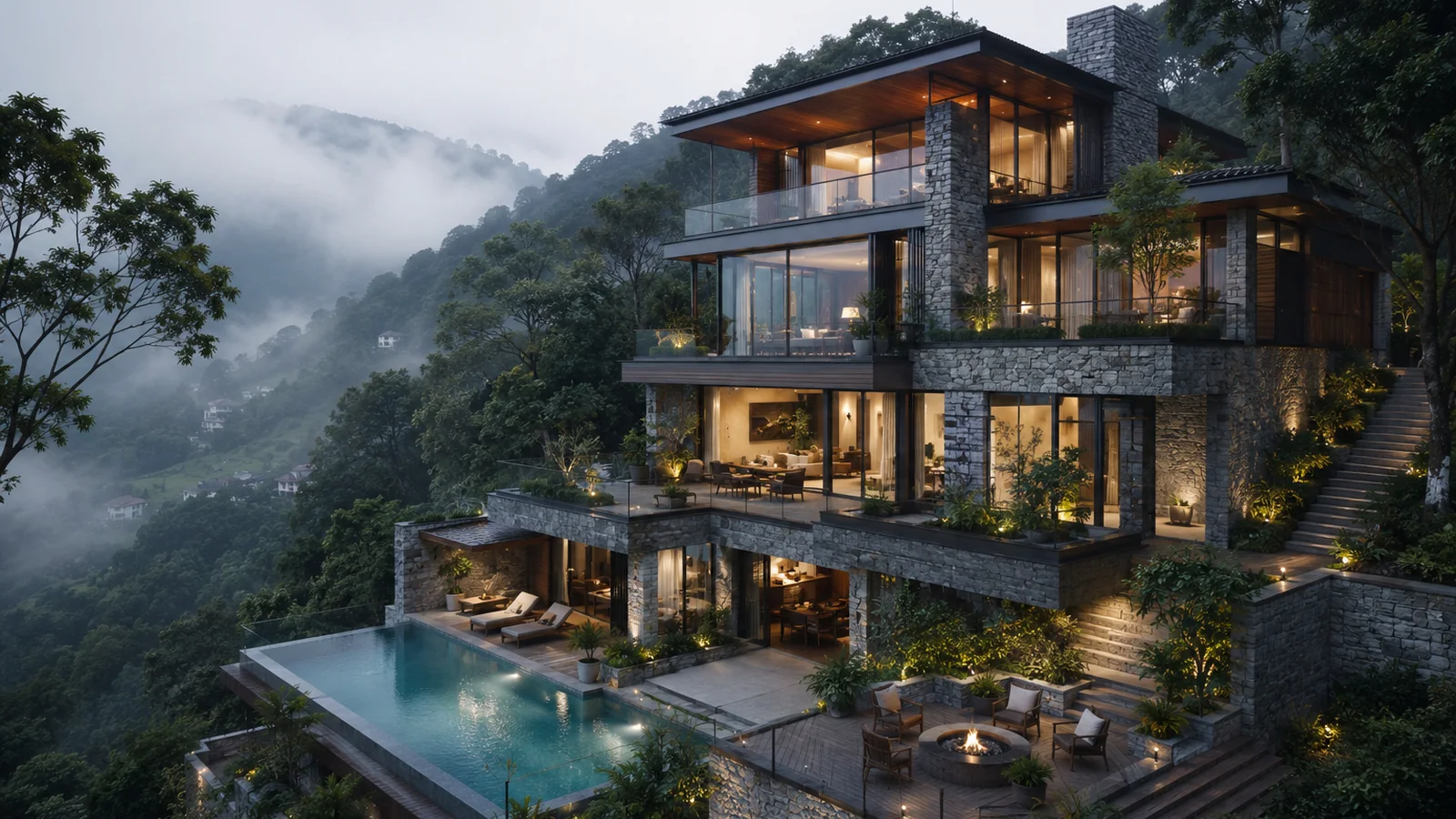
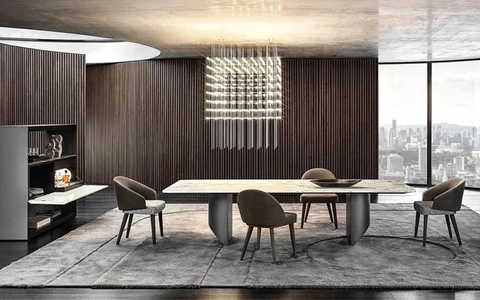
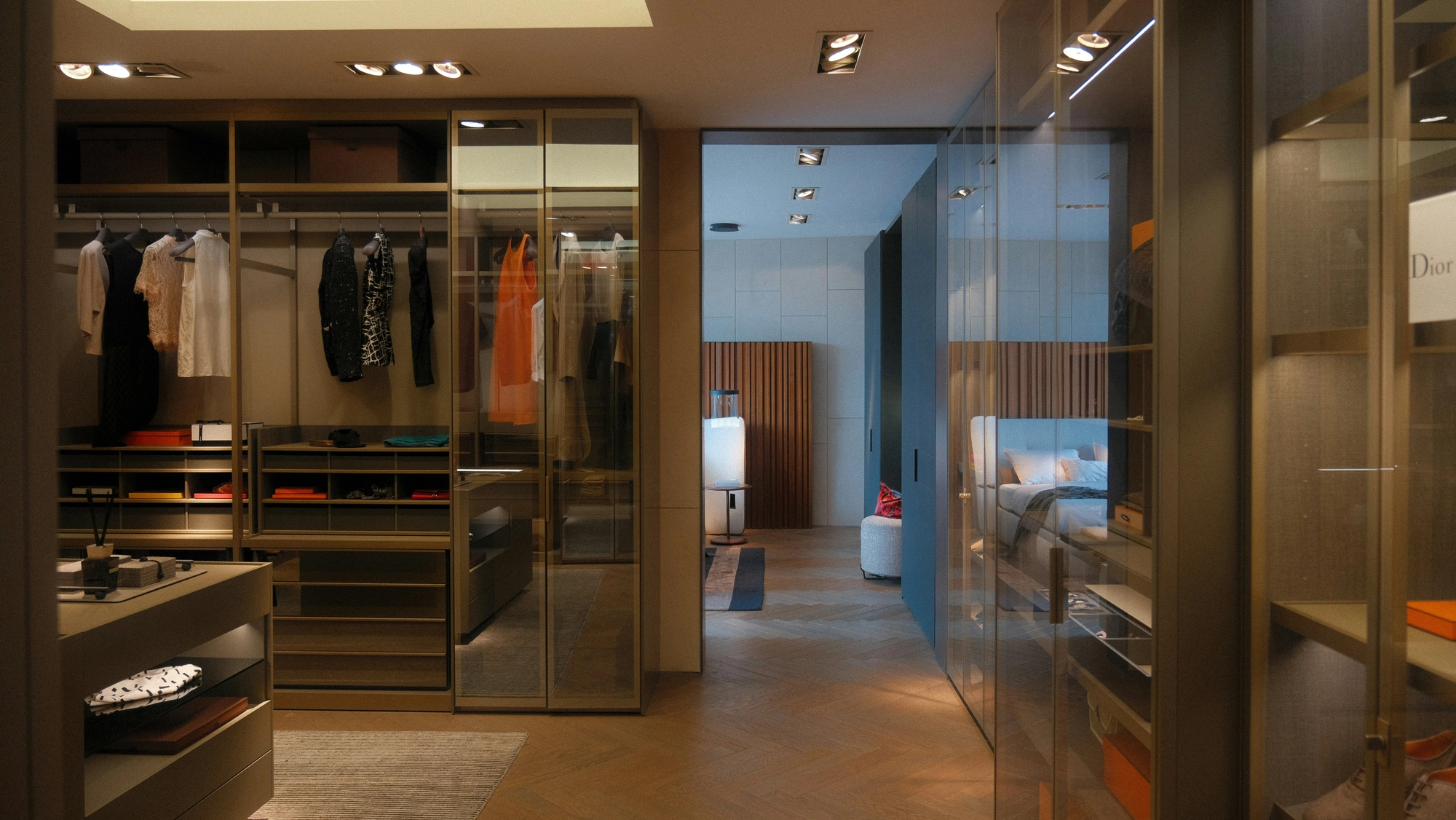
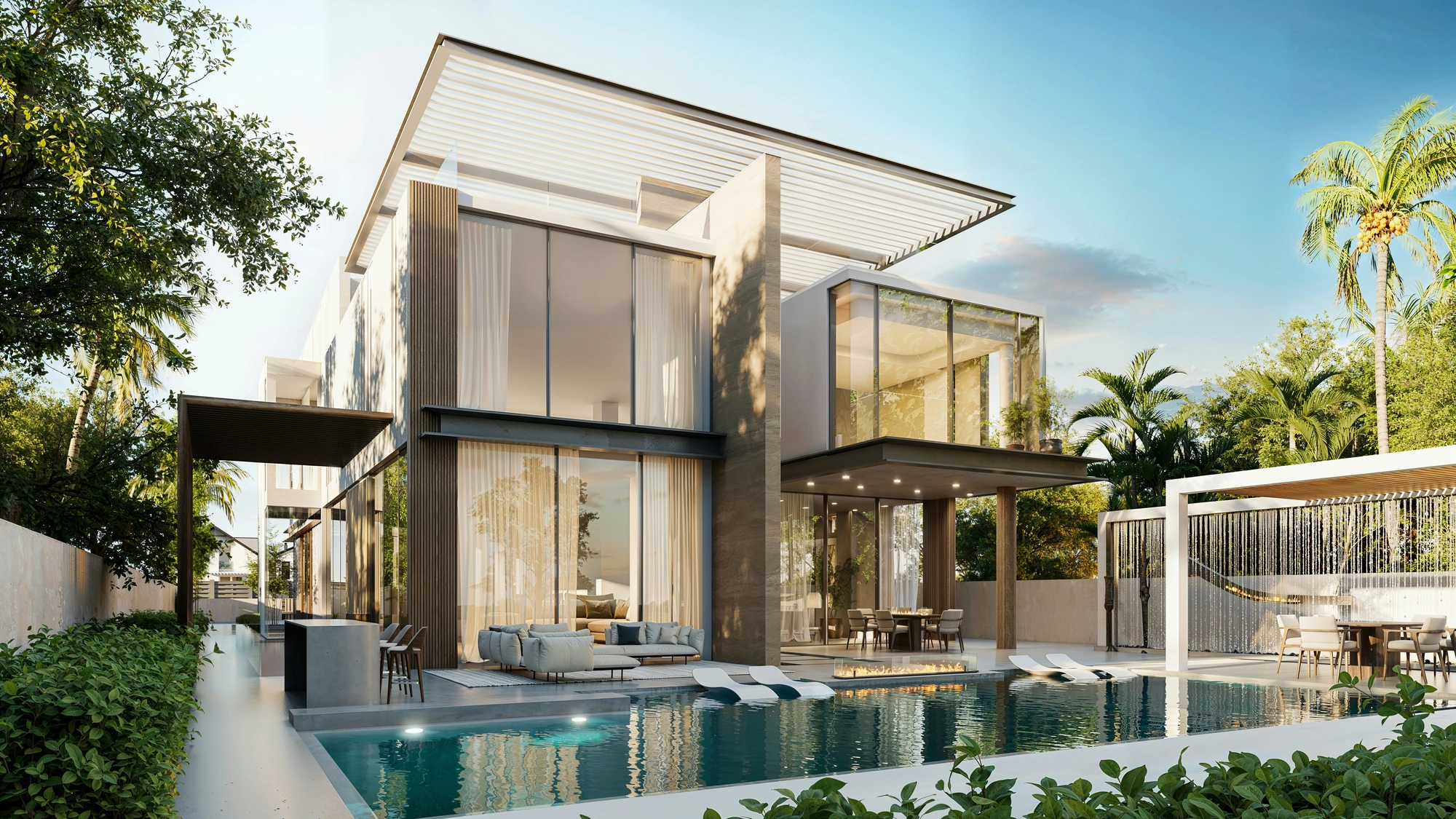
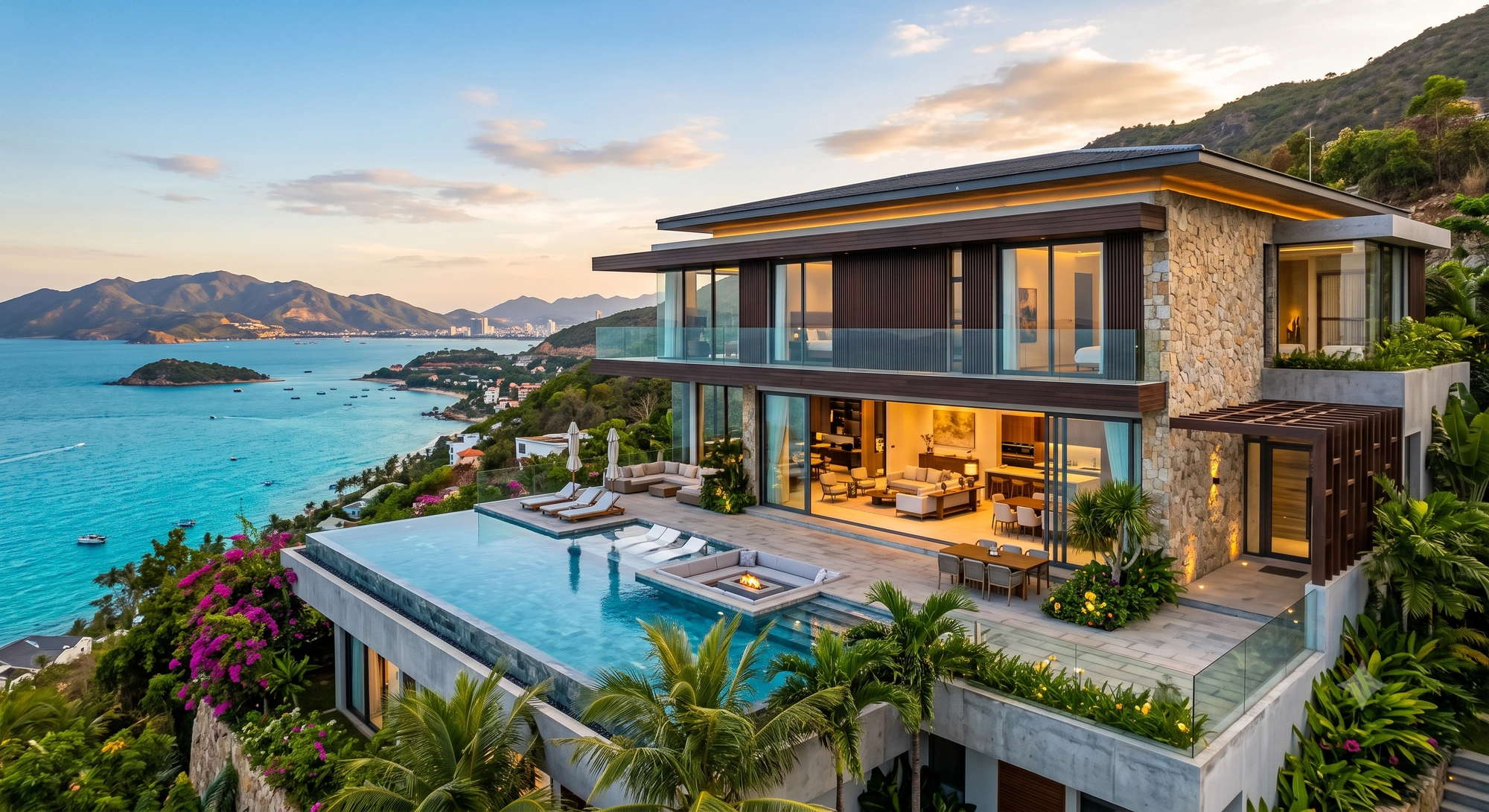
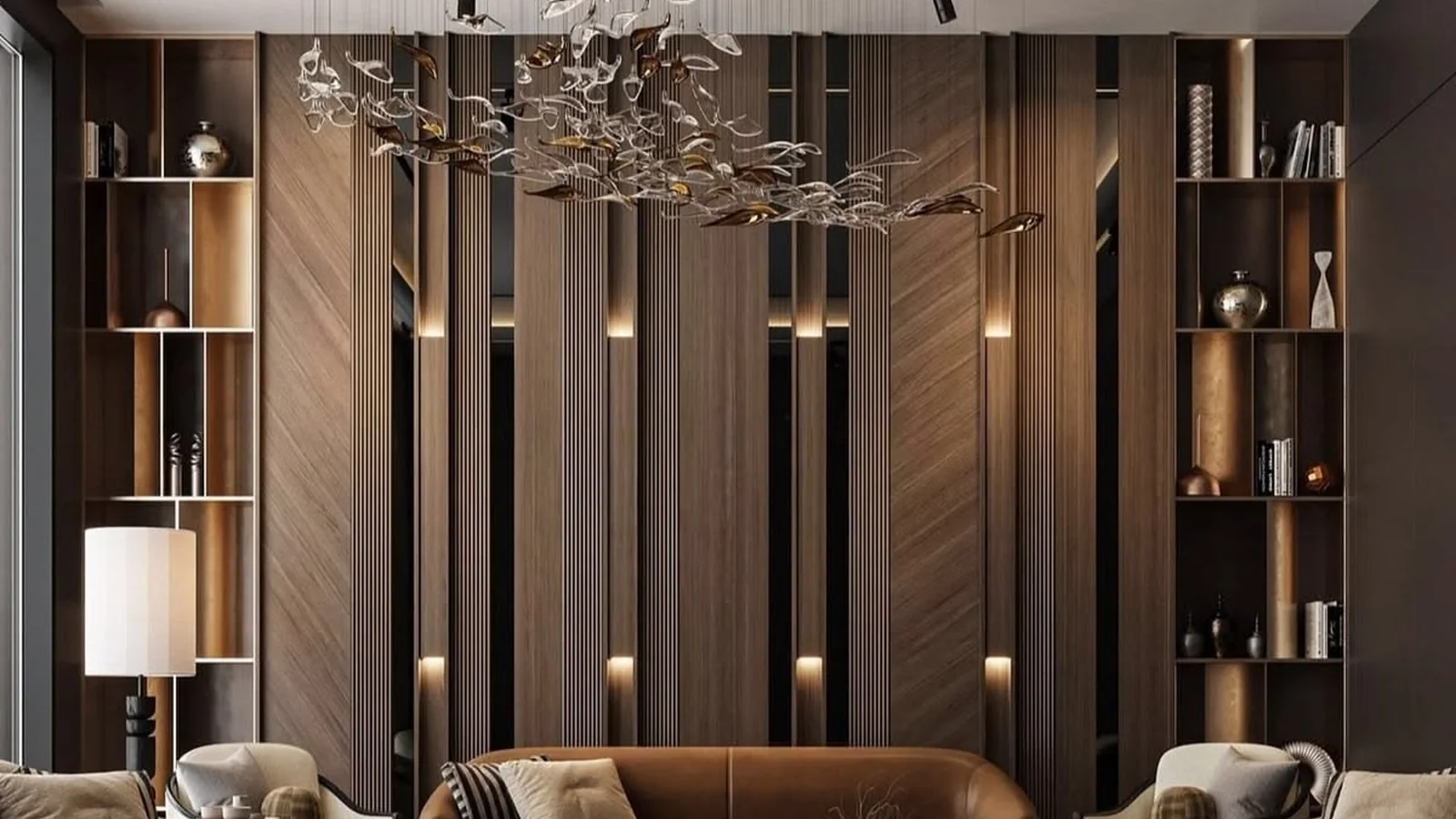
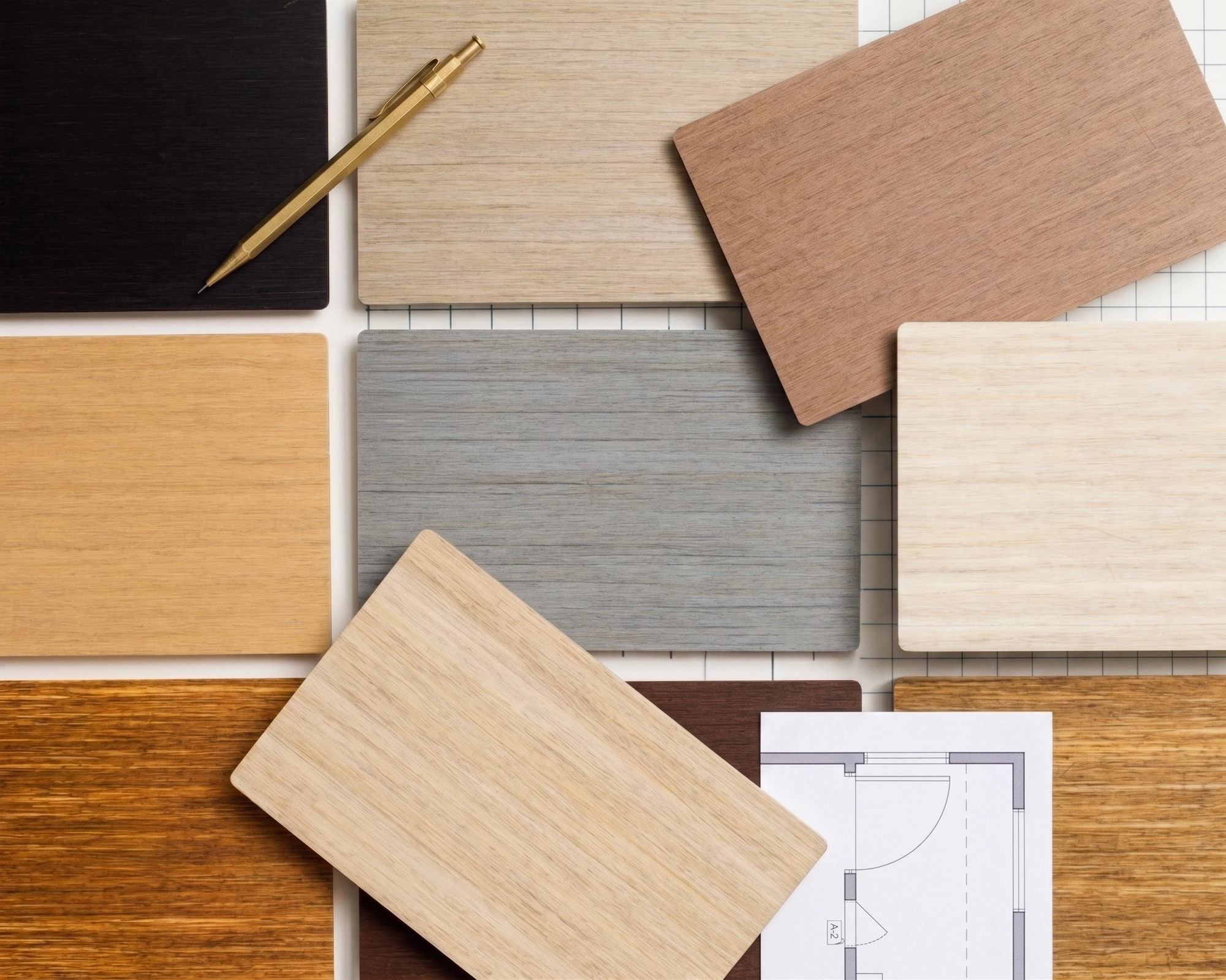


For years, the beauty of interior materials was judged primarily by what we could see. Color, wood grain, and visual harmony with a space were the key factors influencing purchasing decisions.
Today, that perspective is changing.
Walk into a modern showroom or a luxury display home, and you'll notice a different instinct among visitors. Instead of simply observing, they reach out. They run their hands across cabinetry, glide their fingers over tabletops, and explore the texture and grain of every surface.
Modern consumers no longer want materials that simply look beautiful. They want materials that feel beautiful. This shift is driving a new era in surface technology, where tactile experience has become one of the defining characteristics of premium interior materials.
When surfaces become a design language
In contemporary interior design, a surface is no longer viewed as merely a decorative finish.
It has become an essential medium through which materials express character, craftsmanship, and emotion.
A thoughtfully engineered surface can enhance the authenticity of wood grain, elevate the perceived quality of a material, and create a deeper sensory connection between the product and the people who use it. This is precisely why leading manufacturers around the world are investing heavily in advanced surface technologies, recognizing them as a key source of innovation and competitive advantage.
Embossed-in-Register (EIR): When wood grain becomes tangible
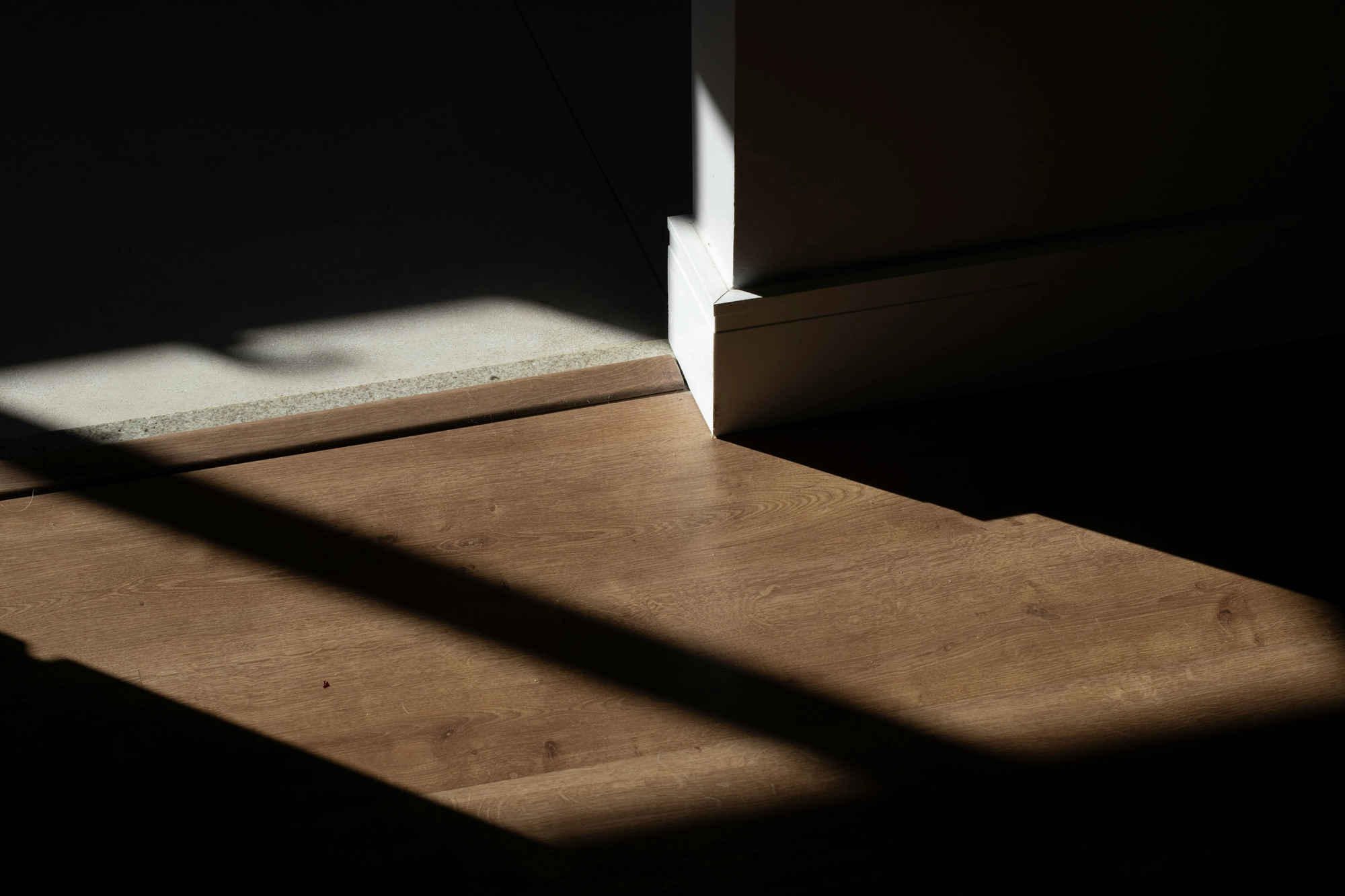
Among today's most advanced surface technologies, Embossed-in-Register (EIR) stands out as one of the most significant innovations.
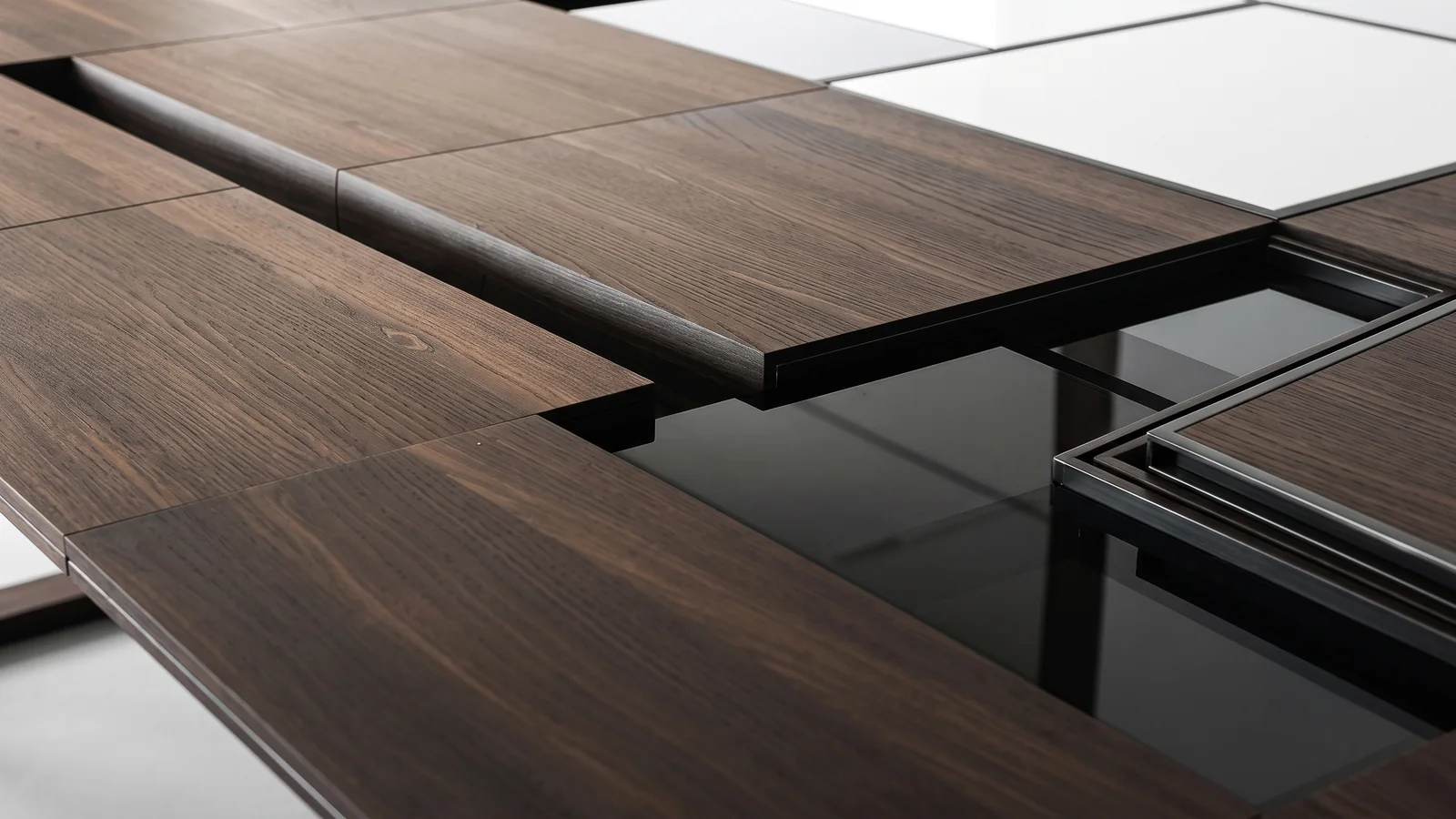
Its defining characteristic is the precise synchronization between the printed wood grain and the embossed surface texture. Every raised grain, knot, and natural detail aligns perfectly with the visual pattern beneath, creating remarkable authenticity.
The result is an experience that goes beyond appearance. Users don't simply see the wood grain, they can feel it beneath their fingertips. By seamlessly combining visual and tactile realism, EIR creates surfaces that closely replicate the warmth and character of natural wood, delivering a richer and more immersive sensory experience.
Brushed texture: Celebrating the beauty of natural imperfection
Brushed textures have become increasingly popular in Contemporary and Modern Luxury interiors. Inspired by traditional woodworking techniques, this finish gently removes the softer fibers from the wood surface, leaving behind subtle grain patterns and delicate textural variations that celebrate the material's natural character.
Rather than striving for flawless perfection, brushed finishes embrace authenticity. Their understated texture introduces warmth, depth, and visual richness, creating interiors that feel both refined and inviting. It is this quiet sophistication that has made brushed surfaces a favorite among architects and interior designers seeking spaces with greater emotional resonance.
Deep-Pore finish: Capturing the depth of natural wood
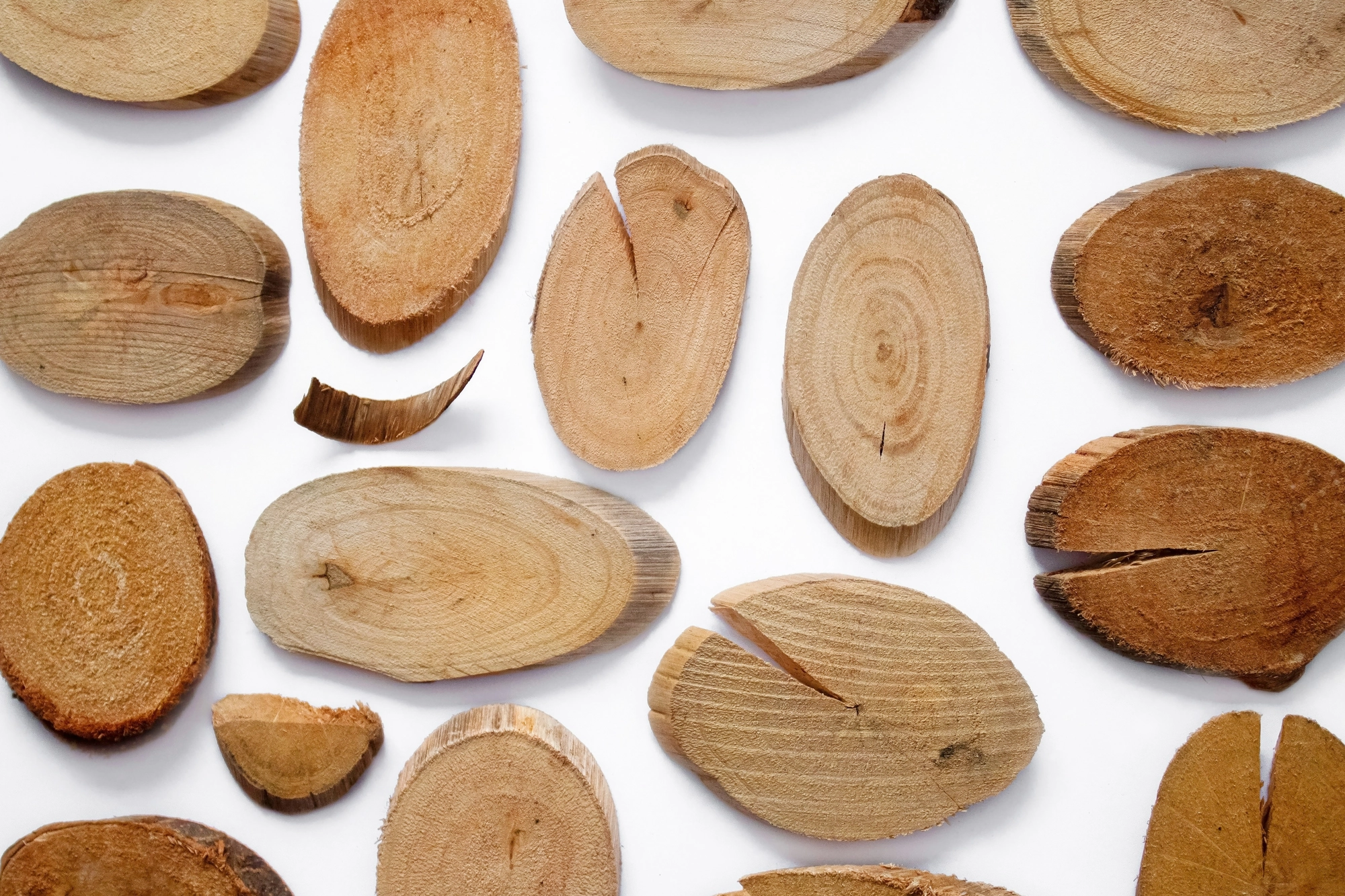
While EIR synchronizes visual pattern and texture, Deep-Pore Finish focuses on recreating the dimensional character of genuine wood.
By enhancing the depth of the grain structure, this technology produces surfaces with greater texture and visual realism. As light moves across the material, the raised and recessed areas create subtle shadows and highlights, giving the surface a dynamic appearance that changes from every angle.
The result closely resembles the richness and complexity found in mature hardwood, making Deep-Pore finishes especially popular in luxury residences, hospitality projects, and premium commercial interiors.
Ultra-Matt: The quiet elegance of modern minimalism
Alongside highly textured finishes, ultra-matt surfaces continue to gain momentum as a defining feature of contemporary interiors.
Unlike glossy finishes, Ultra-Matt surfaces diffuse light rather than reflect it, creating a softer, calmer visual effect while reducing glare throughout the space. Their appeal extends beyond aesthetics. Many of today's advanced Ultra-Matt technologies incorporate anti-fingerprint properties, allowing surfaces to maintain a clean, pristine appearance even with everyday use.
The result is a finish that perfectly complements minimalist interiors, combining understated elegance with exceptional practicality.
Consumers are choosing with their senses
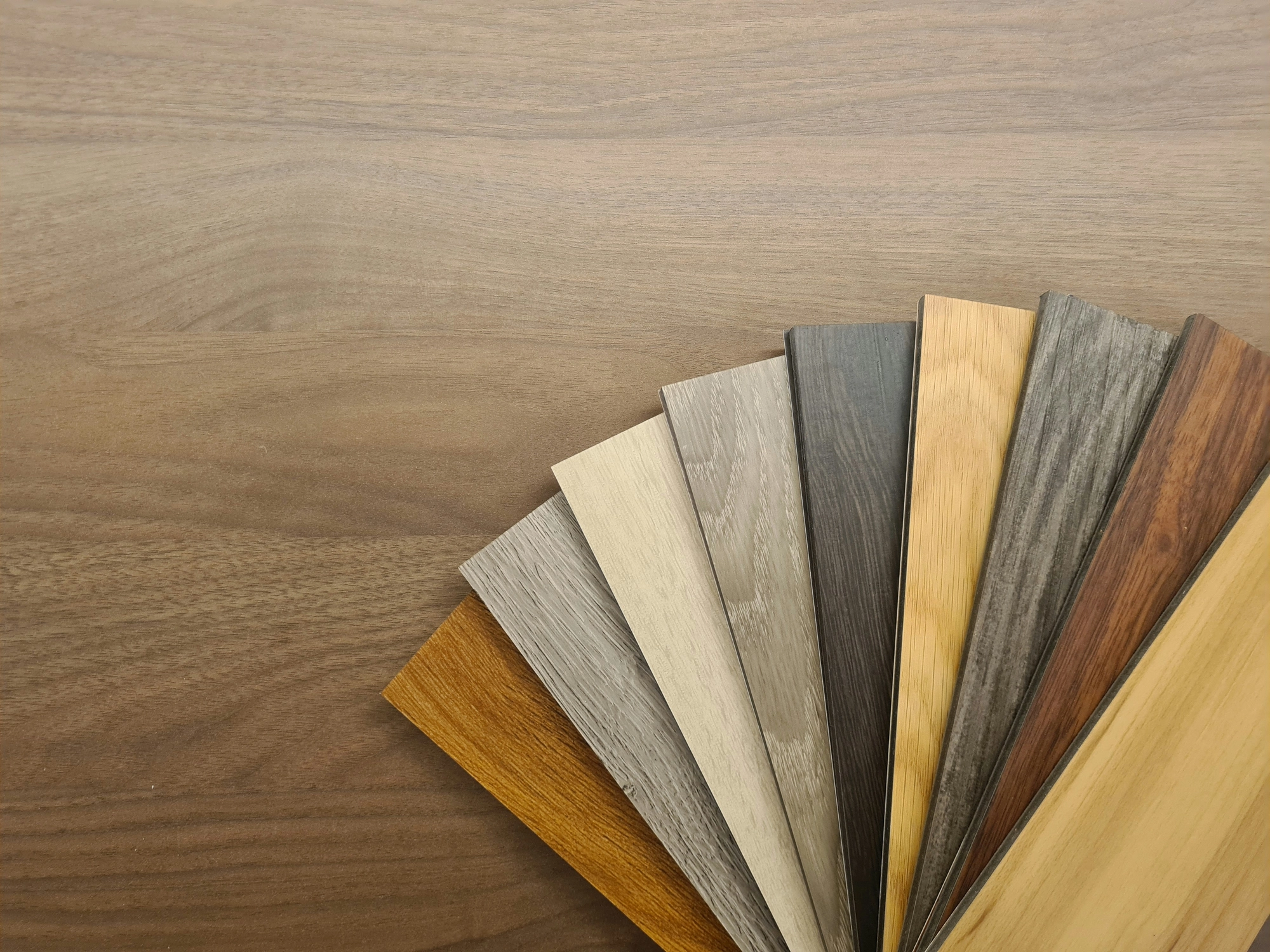
The rapid evolution of surface technology reflects a broader shift in consumer behavior.
Where purchasing decisions were once driven primarily by visual appeal, today's buyers increasingly rely on firsthand sensory experiences. They want to touch materials, explore their textures, and understand how they feel before making a decision.
This is particularly true for furniture and interior finishes, where tactile quality plays a significant role in shaping perceptions of craftsmanship, durability, and overall value. A well-crafted surface does far more than enhance appearance. It creates an immediate impression of quality from the very first touch.
The future of interior materials goes beyond what we see
As manufacturing technologies continue to advance, the distinction between engineered materials and natural wood is becoming increasingly refined.
The most desirable interior materials of the future will not be defined solely by beautiful colors or convincing wood patterns. They will deliver experiences that engage multiple senses, combining visual authenticity with tactile richness.
In today's interiors, quality is no longer judged by appearance alone. It is experienced every day, through the simple act of running a hand across a beautifully crafted surface.