

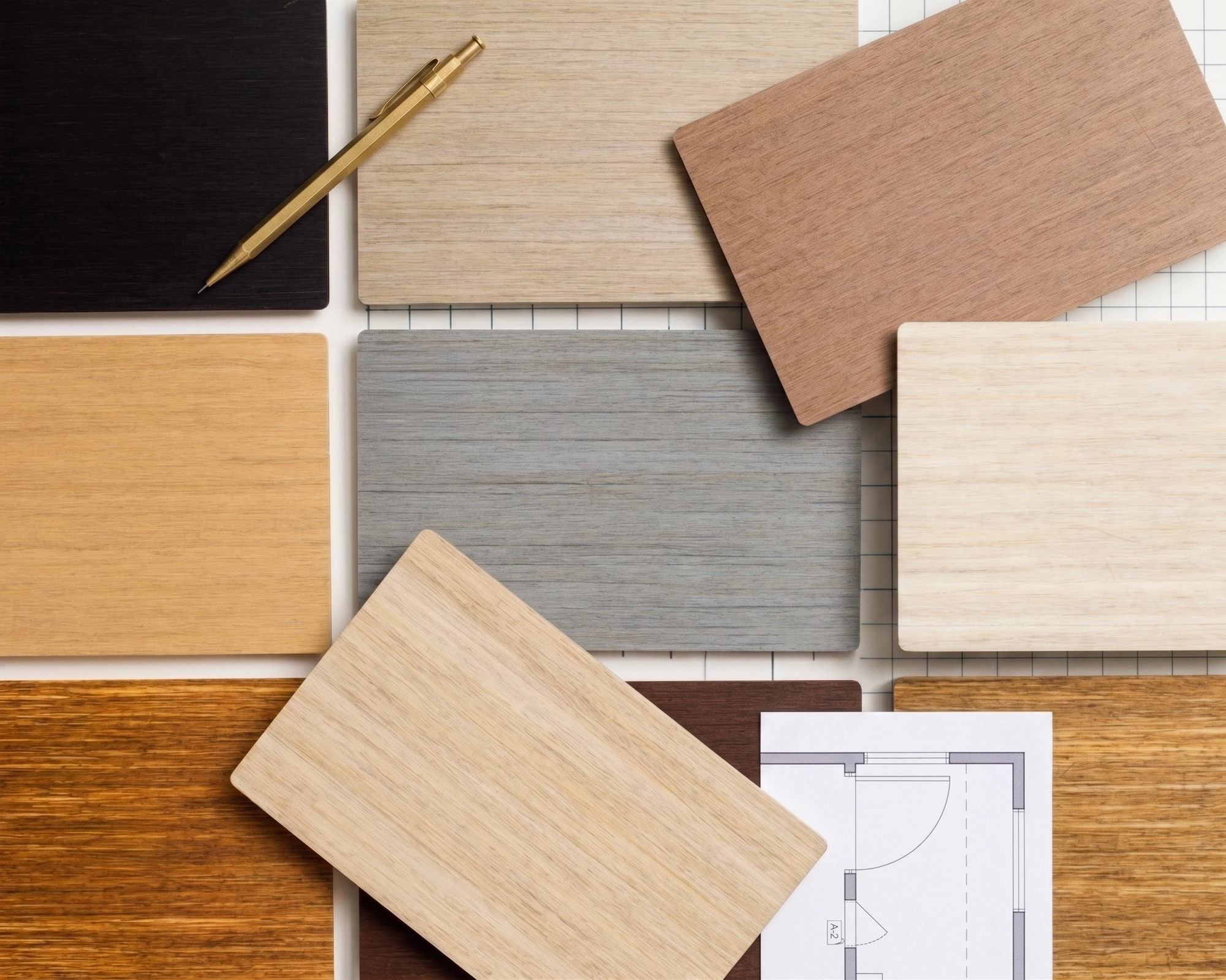


For decades, interior design has been evaluated primarily through two lenses: aesthetics and functionality. As we move into 2026, however, a new criterion is increasingly shaping both consumer expectations and design decisions: sustainability.
Today, beautiful design alone is no longer enough. Consumers want to understand how products are made, where their materials originate, how they affect the environment, and whether they can be reused or recycled at the end of their life cycle.
This shift is why Sustainable and Circular Design has become one of the most influential movements shaping the global interior design industry.
From ownership to responsibility
Consumer priorities are evolving, bringing a fundamental transformation to the way interiors are designed and specified.
- Where do these materials come from?
- Was the product manufactured responsibly?
- Can it be recycled or repurposed after years of use?
- Does the material contribute to healthier indoor air quality
These questions reflect a growing awareness that purchasing decisions should consider long-term environmental responsibility rather than immediate appeal alone.
Sustainability is no longer a premium option
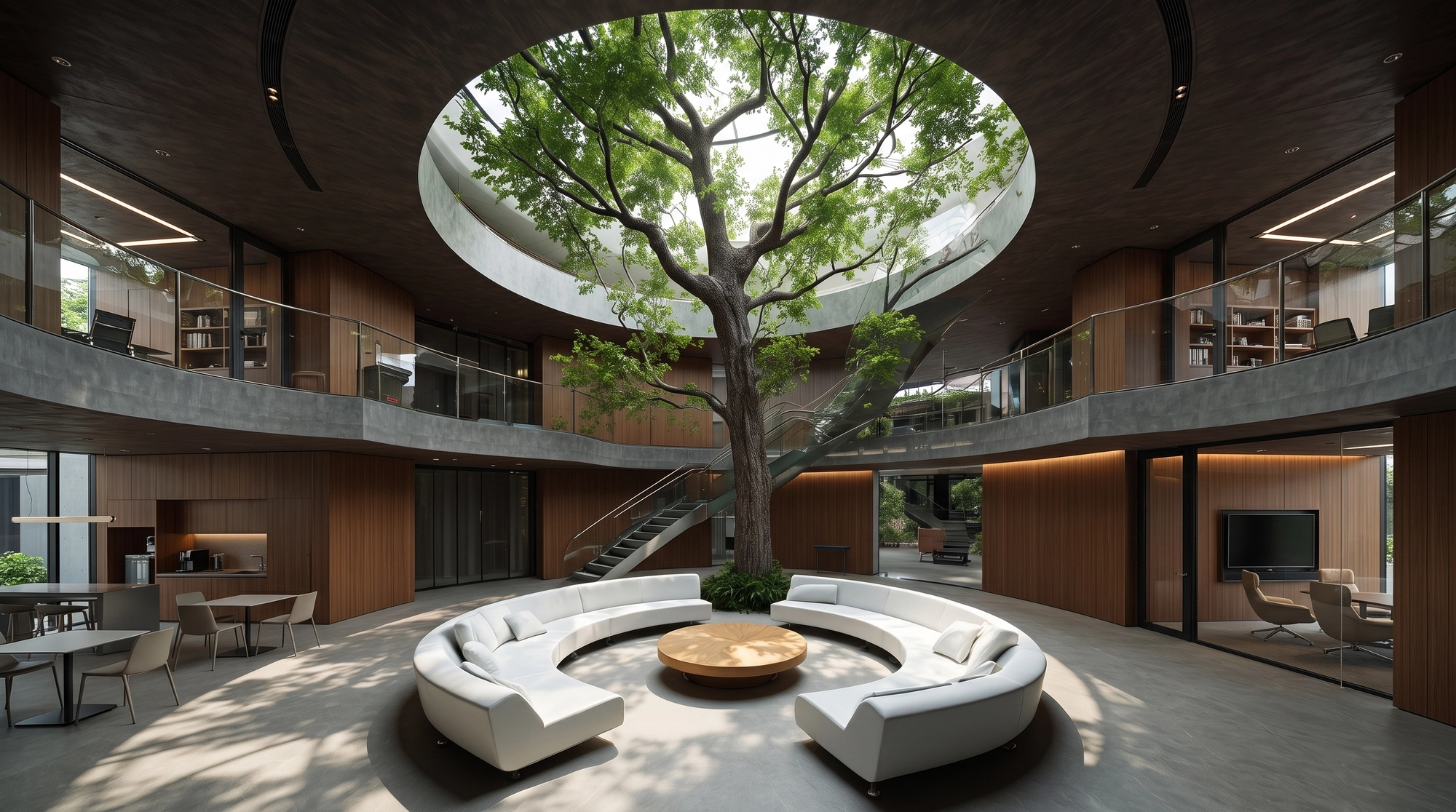
Not long ago, sustainable products were often viewed as a niche offering reserved for environmentally conscious consumers or the luxury market.
That perception has changed dramatically.
Today, furniture manufacturers, architects, interior designers, and property developers are embedding sustainability into every stage of the design process. From selecting responsibly sourced materials and improving manufacturing efficiency to extending product lifespan, every decision aims to reduce environmental impact while delivering lasting value. Rather than serving as a marketing message, sustainability is rapidly becoming an industry-wide expectation.
Circular design: Extending the life of products
One of the defining concepts behind this transformation is Circular Design.
Unlike the traditional linear model of "produce, use, and dispose," circular design focuses on keeping materials and products in use for as long as possible through reuse, refurbishment, recycling, and resource regeneration.
Within the interior industry, this approach includes:
- Incorporating recycled and renewable materials.
- Sourcing raw materials from responsibly managed renewable resources.
- Designing products for long-term durability.
- Minimizing waste throughout manufacturing.
- Improving the recyclability of products at the end of their service life.
The ultimate objective is to reduce waste while maximizing the efficient use of natural resources.
Greater transparency in material sourcing
Modern consumers are increasingly interested in the journey materials take before becoming part of their living spaces.
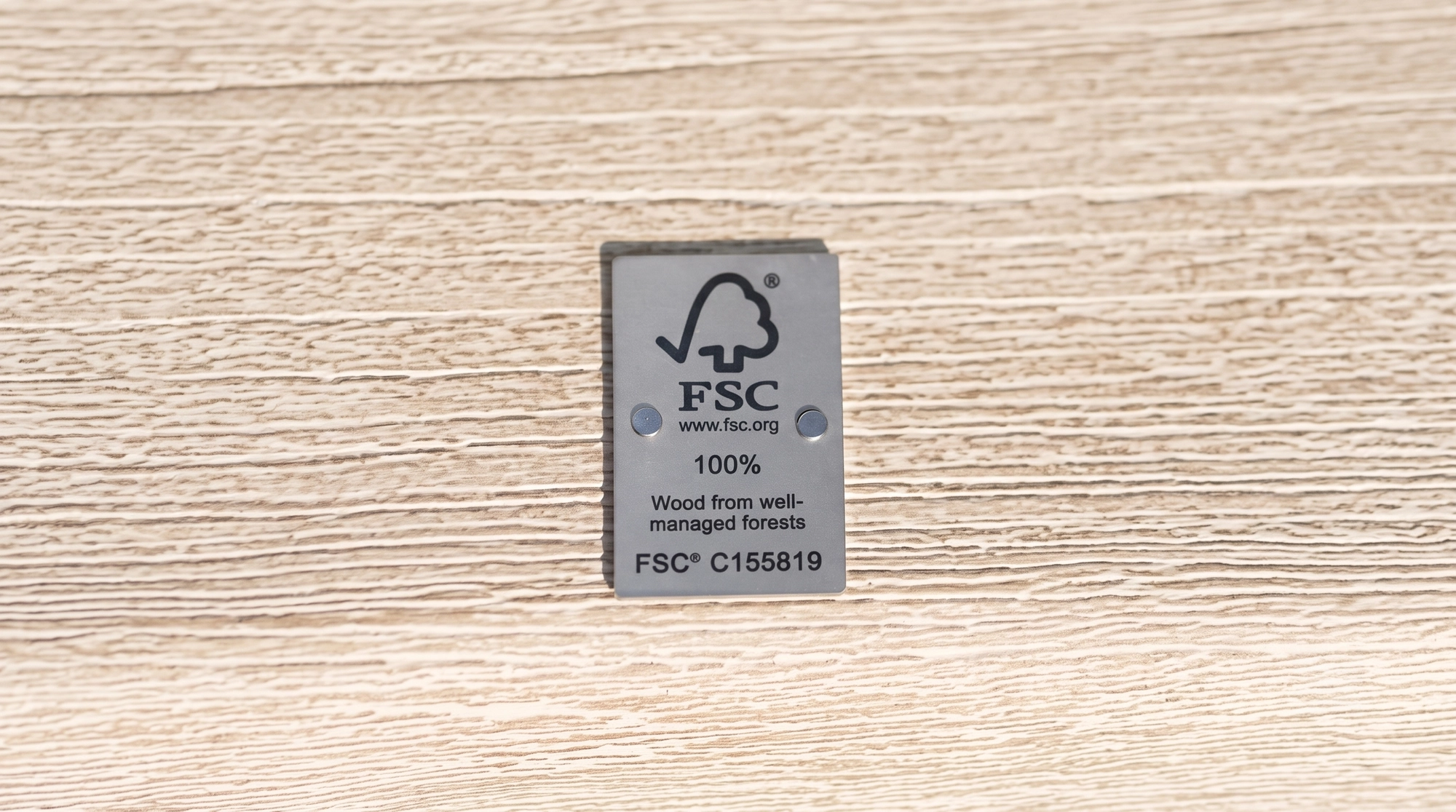
The origin of raw materials has become a key consideration when selecting interior products. Materials sourced responsibly, derived from renewable resources, or supported by credible sustainability certifications are gaining stronger market preference than ever before. This growing demand is encouraging manufacturers to be more transparent about their supply chains, sourcing practices, and production processes.
Lower emissions for healthier living
Sustainability today extends beyond environmental protection. It also includes creating healthier indoor environments.
Low-emission materials have become a priority across residential, educational, commercial, and healthcare projects as awareness of indoor air quality continues to grow. A healthy home is defined not only by natural light, ventilation, or indoor greenery, but also by the materials used throughout the space. Environmentally responsible products should provide long-term safety and contribute to healthier living conditions throughout their entire life cycle.
Designing for longevity rather than trends
Perhaps one of the most sustainable design strategies is creating interiors that stand the test of time.
Instead of frequently replacing furnishings to follow changing trends, homeowners are increasingly investing in timeless products that remain relevant across evolving styles and continue to perform for many years. This approach not only reduces waste but also encourages more thoughtful and responsible patterns of consumption.
The future of interior design lies in balance
The future of interior design is no longer defined by appearance alone. It is about creating spaces that deliver lasting value for both people and the planet.
An ideal interior today achieves a careful balance between aesthetics, functionality, well-being, and environmental responsibility. Sustainable and Circular Design is far more than a passing trend for 2026. It represents a long-term shift in design thinking, where every decision is evaluated through a broader perspective, considering its impact on natural resources, human health, and future generations.
Ultimately, great design is not measured solely by the impression it creates today. It is defined by the positive value it continues to provide for years to come.