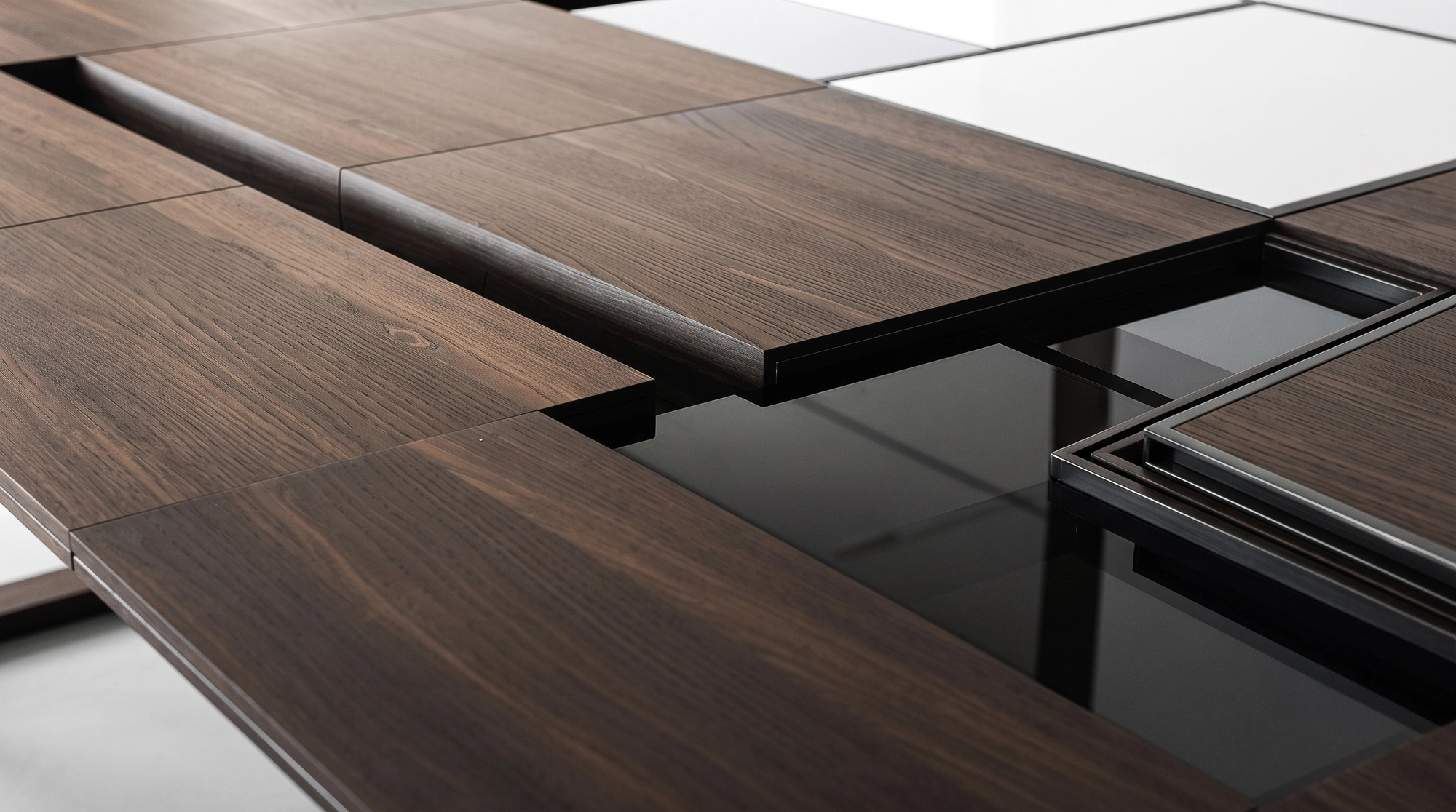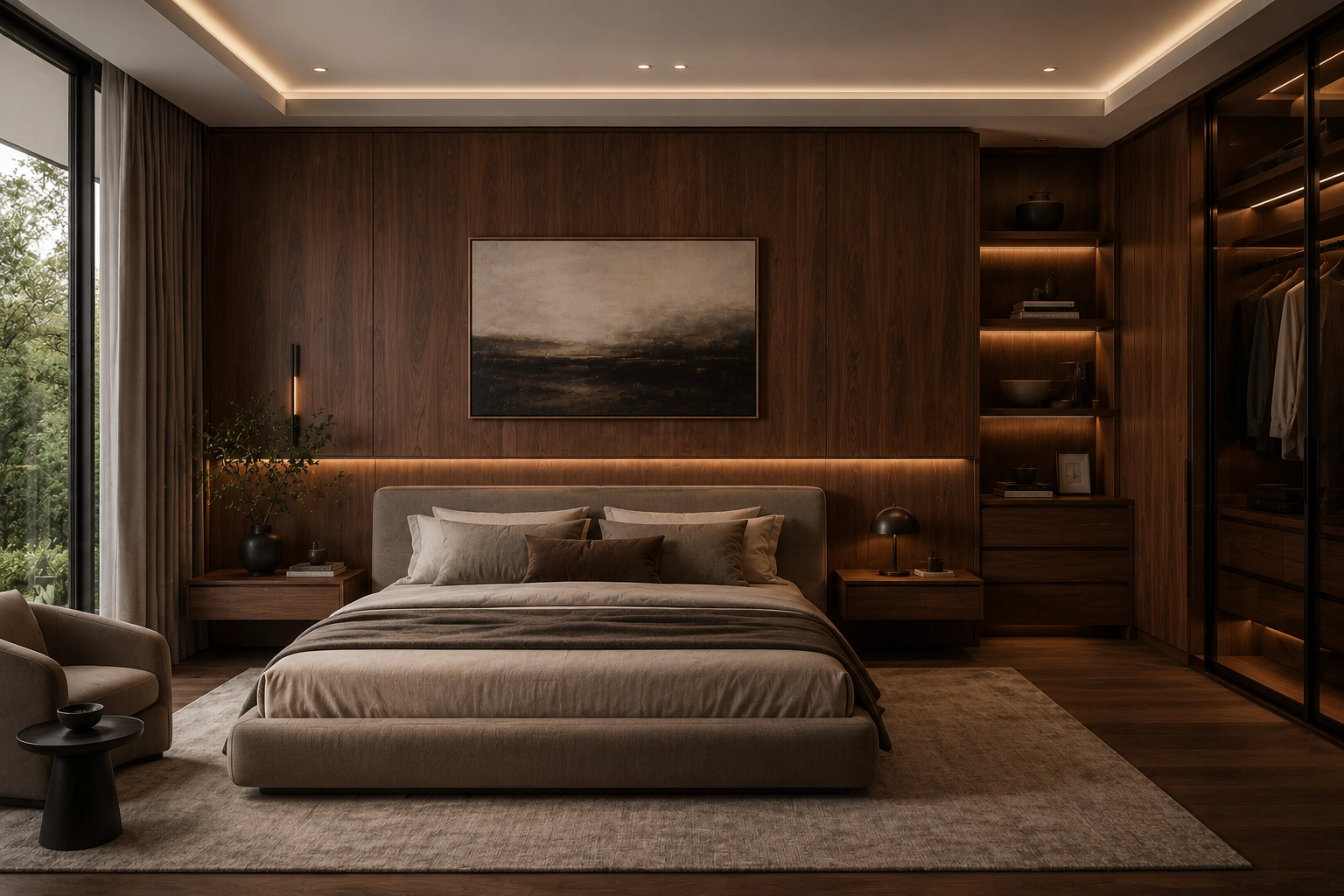

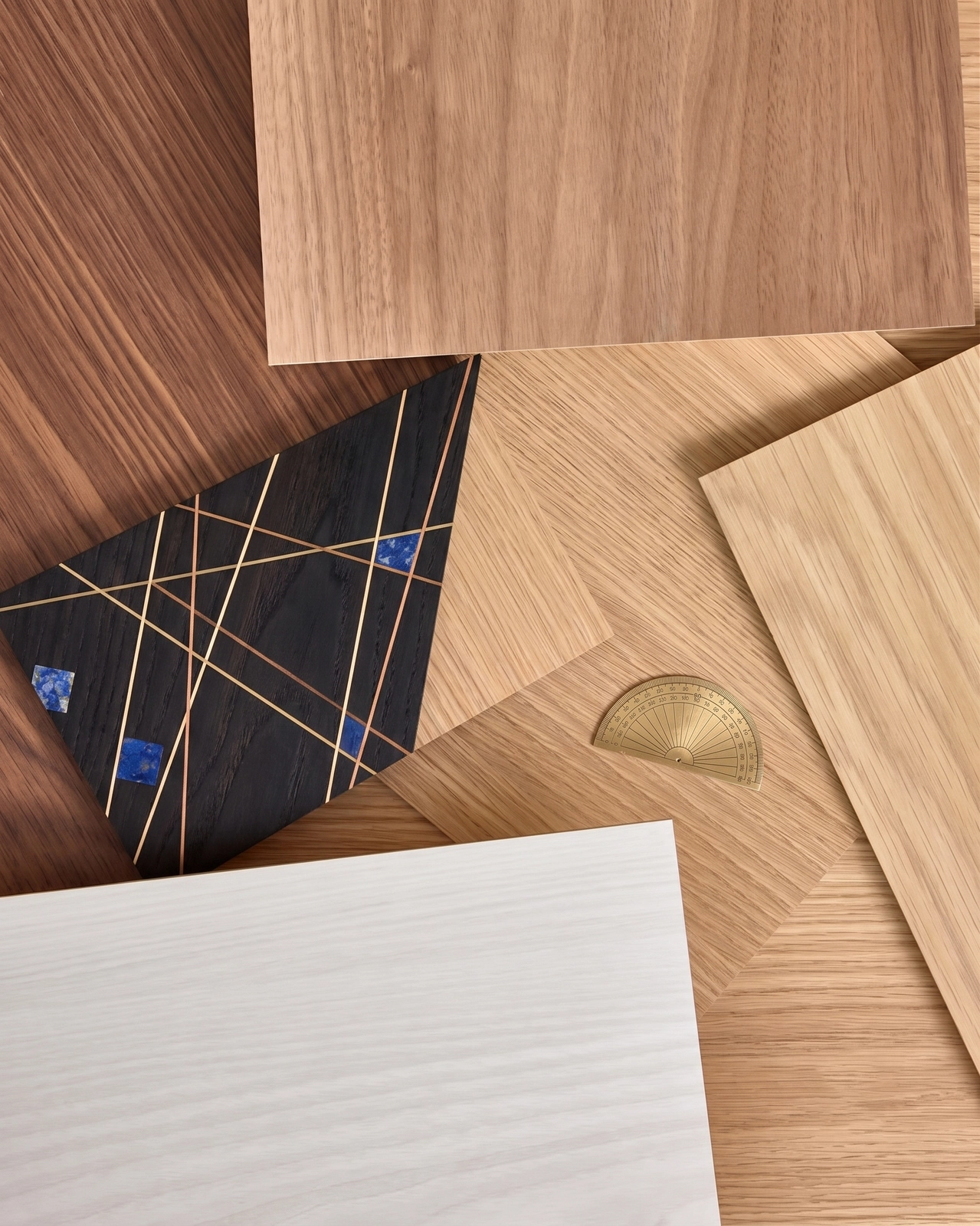
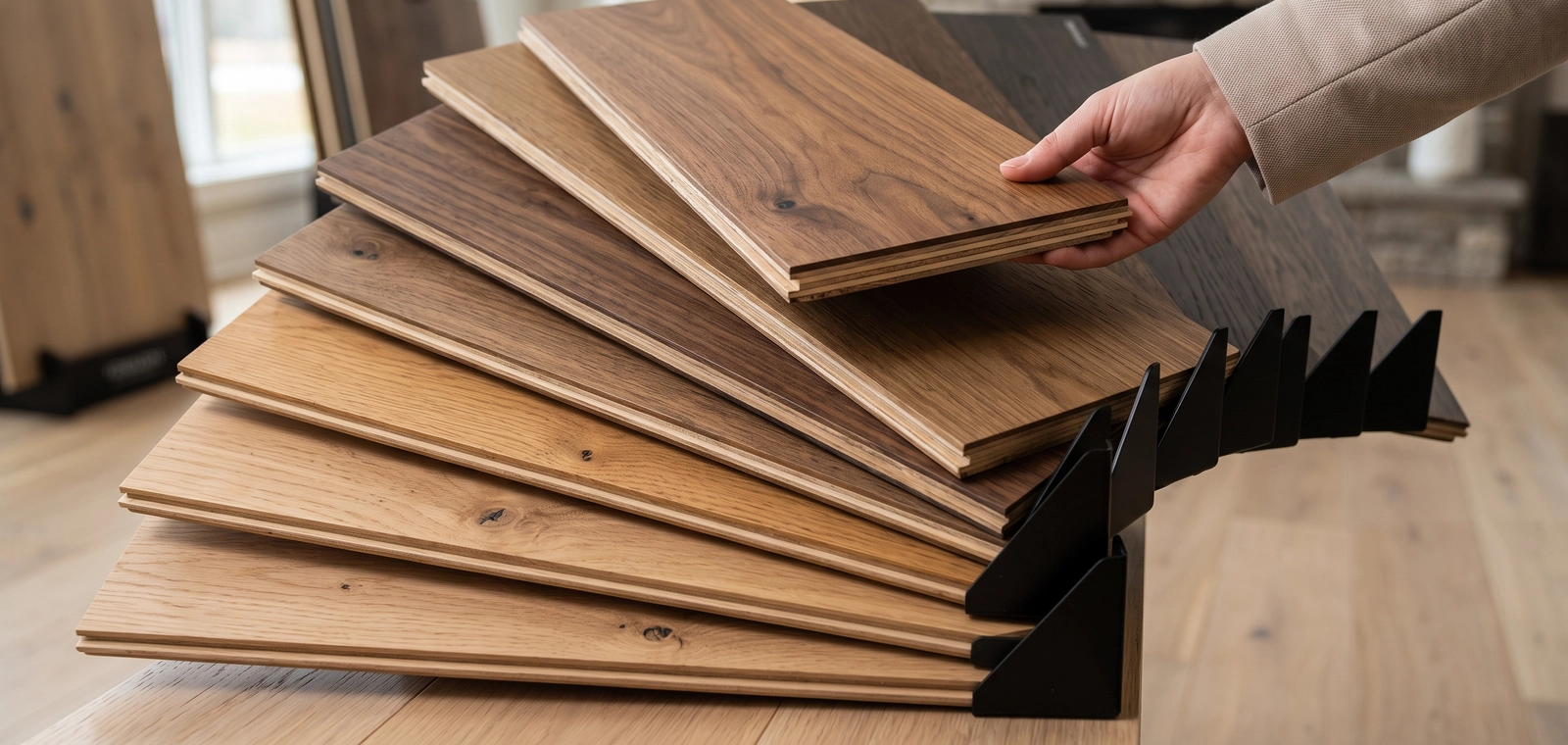

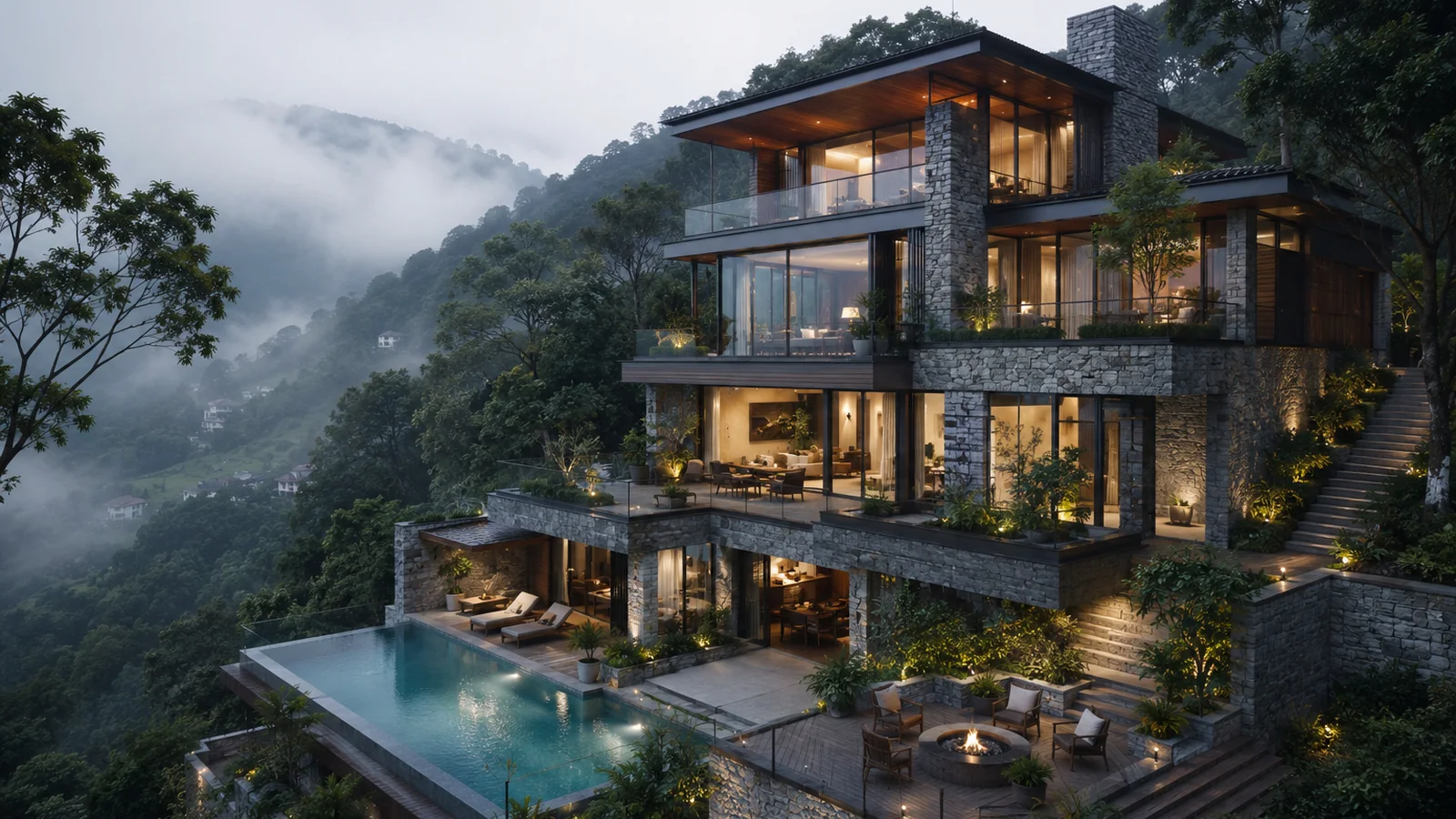

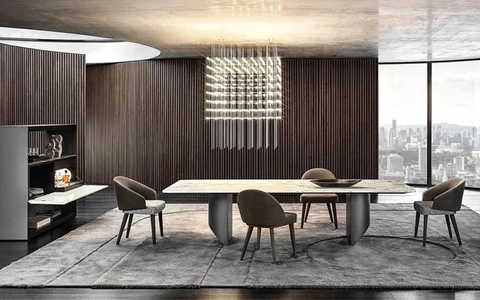
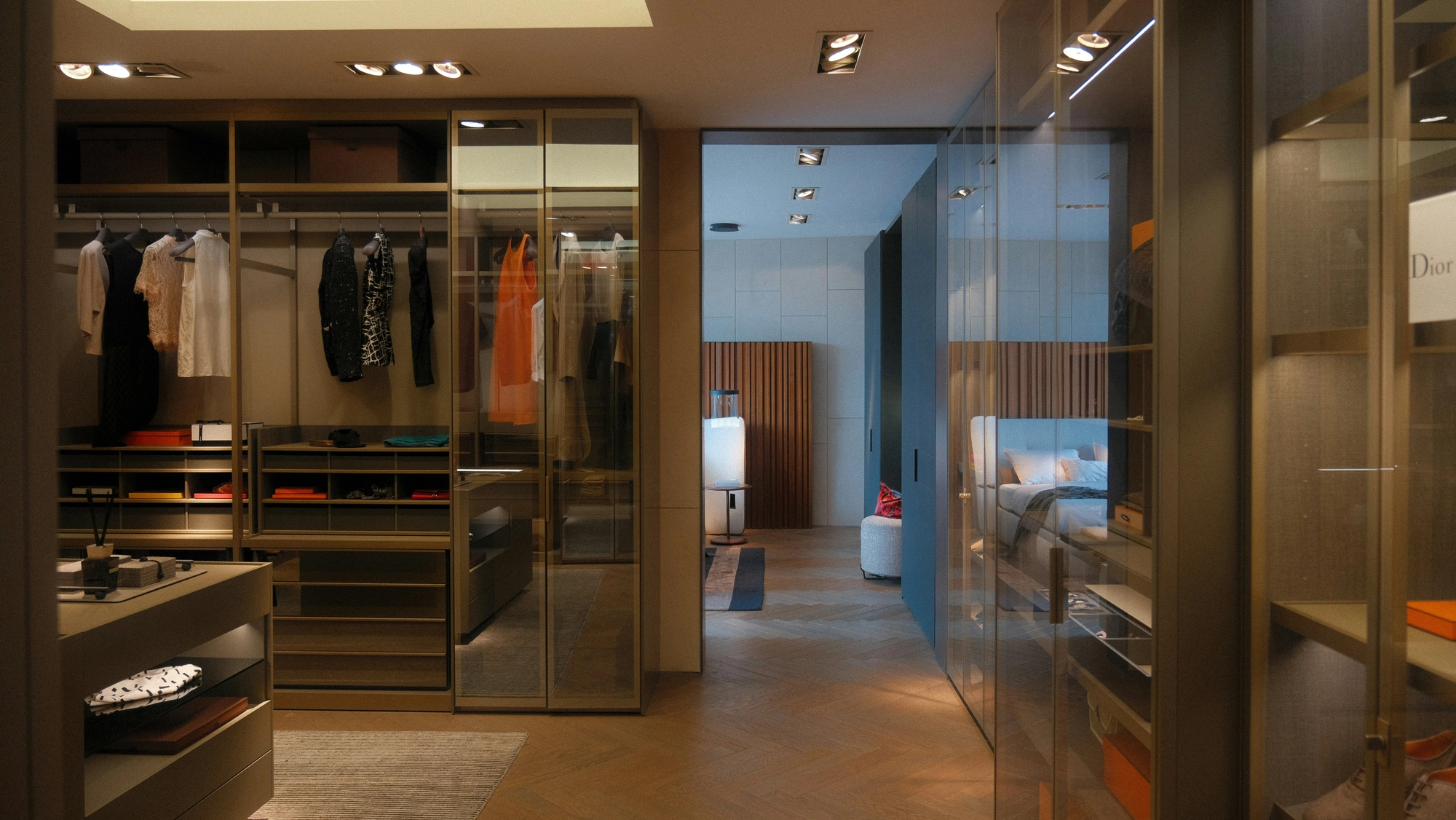
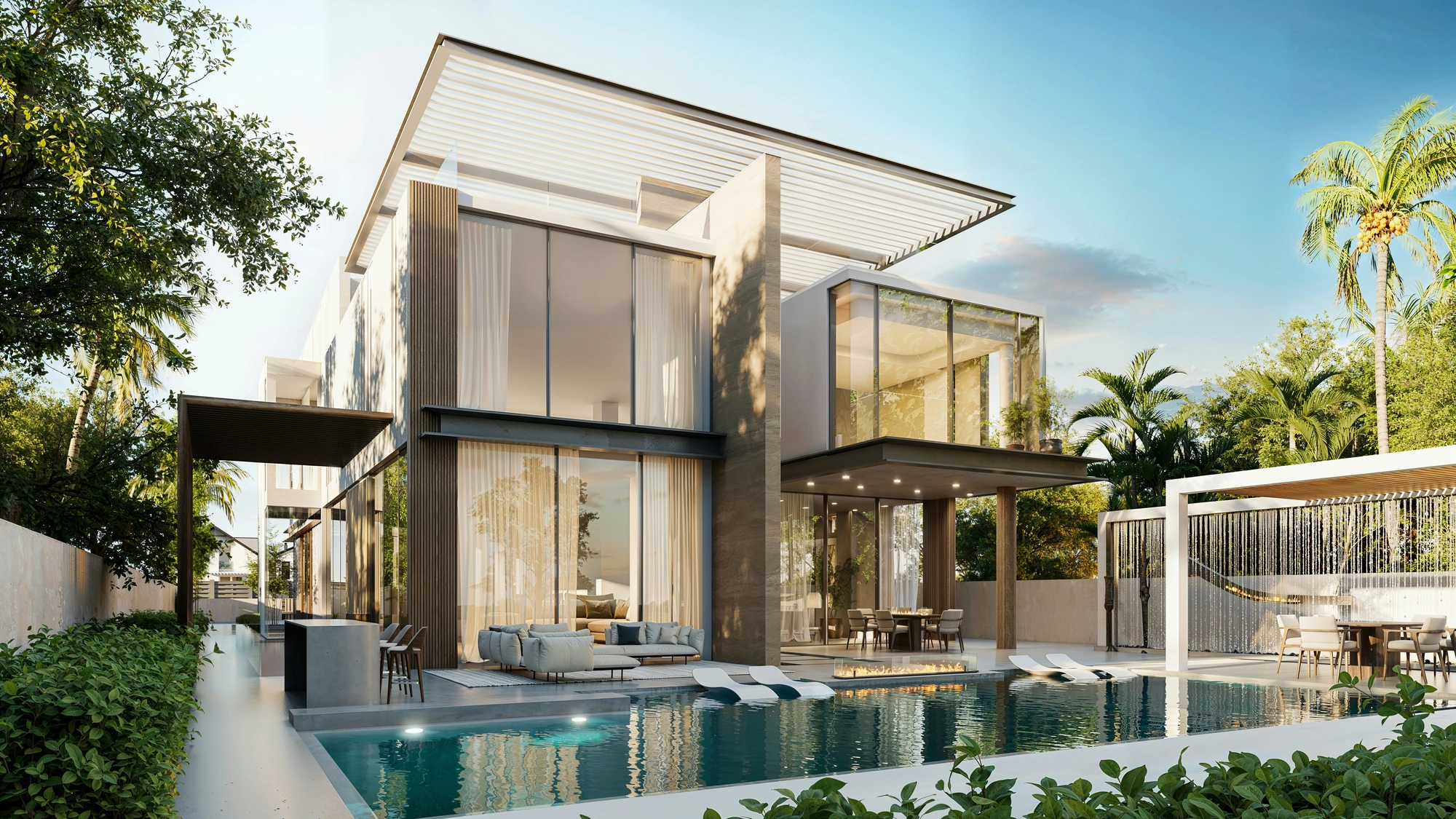
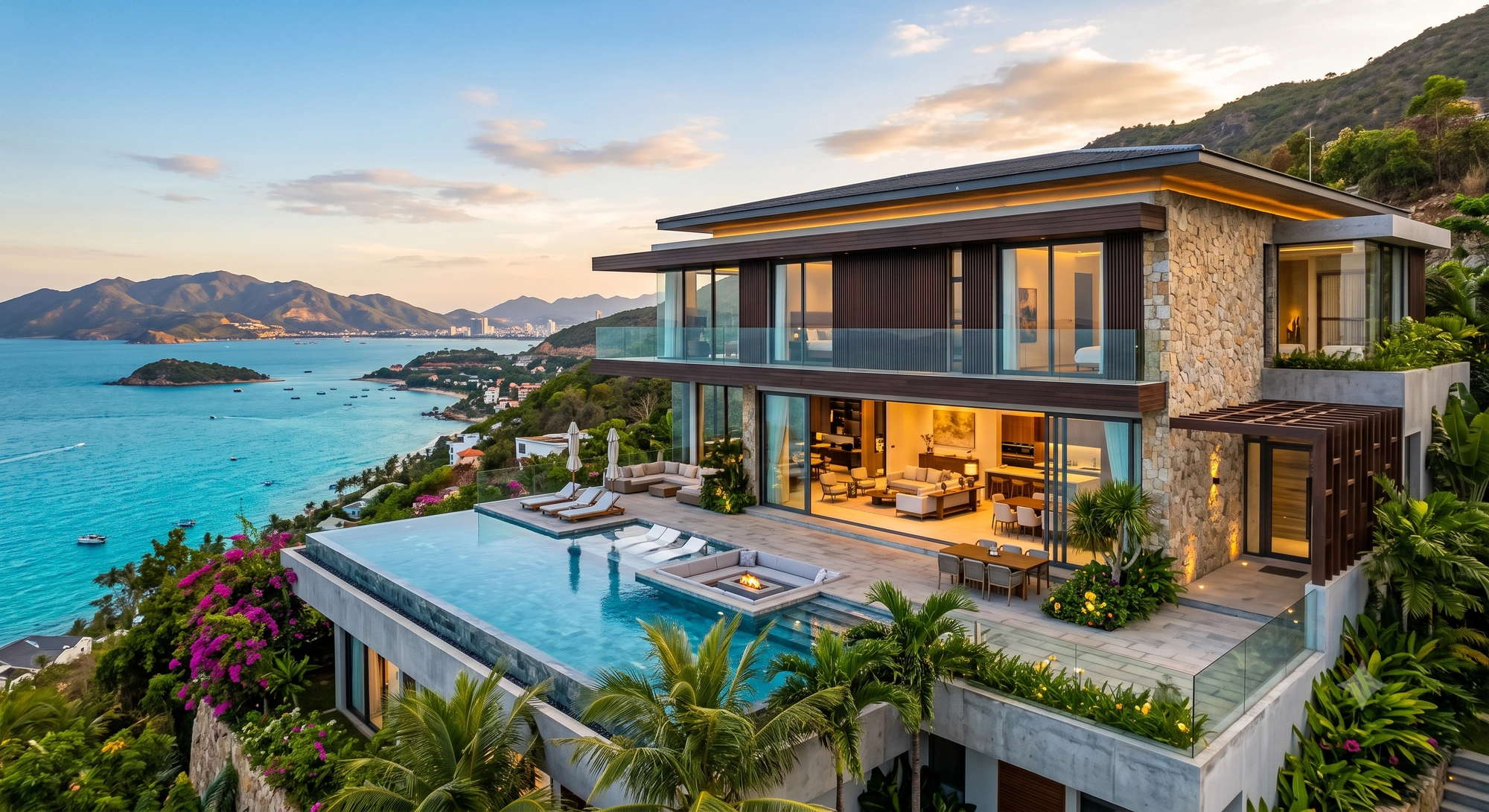
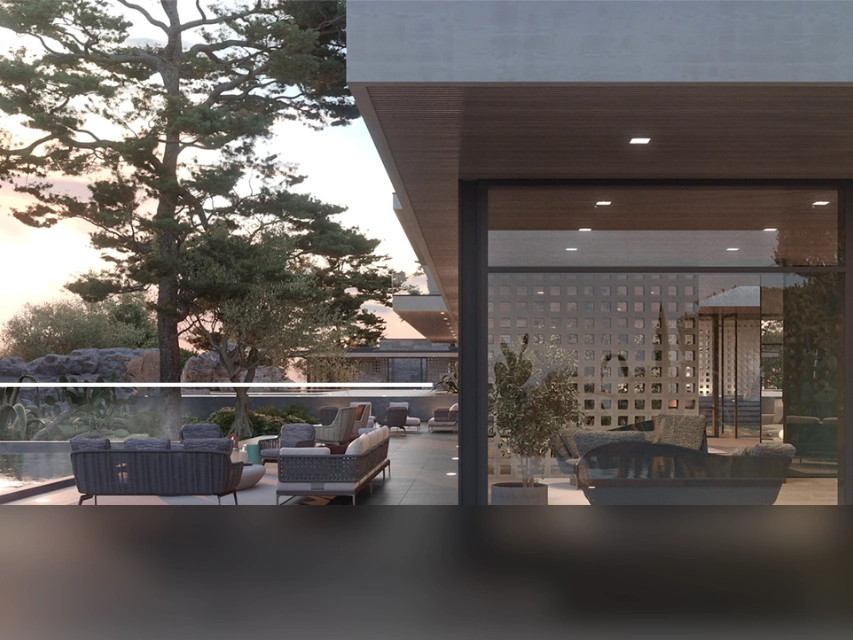
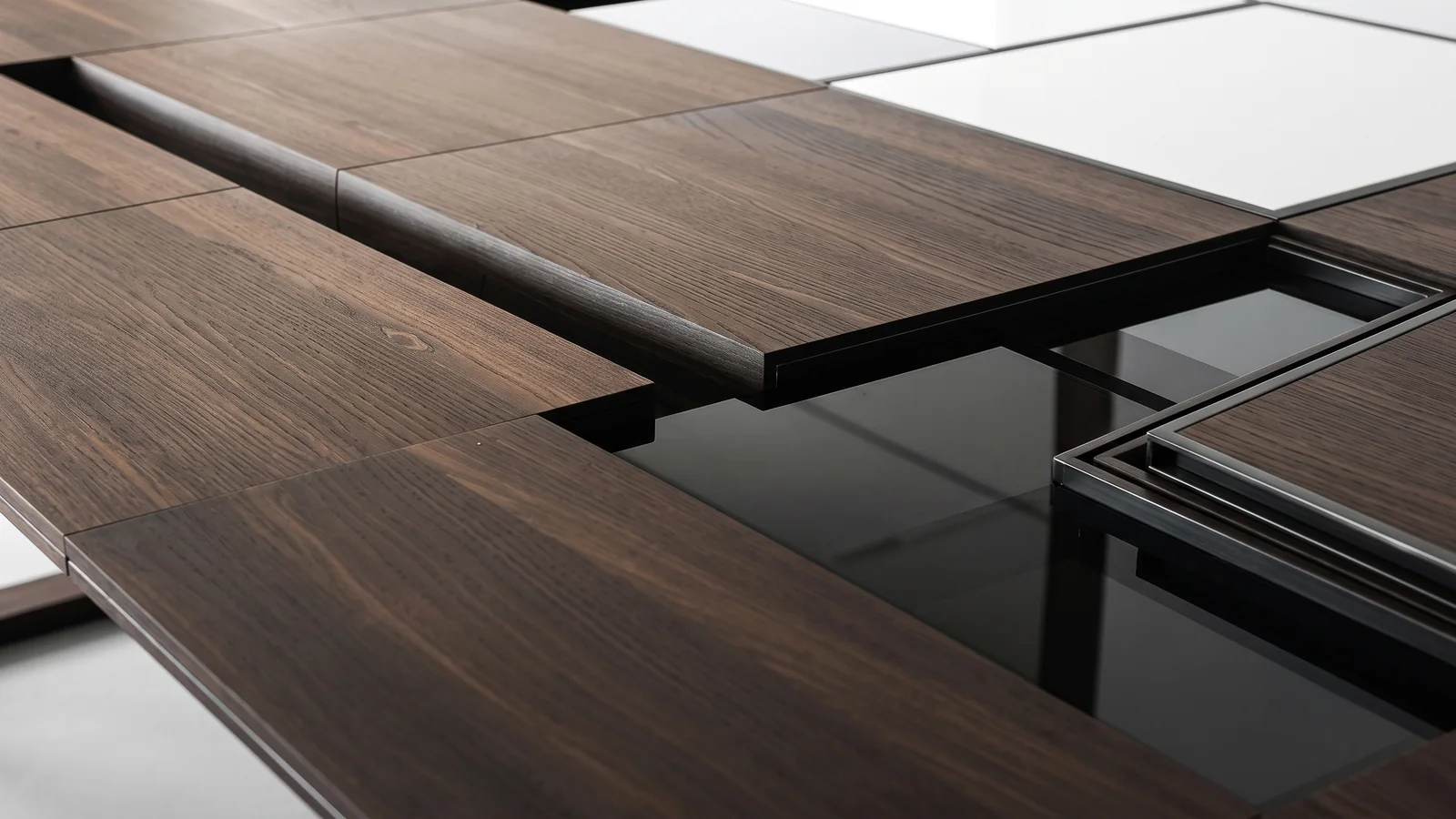
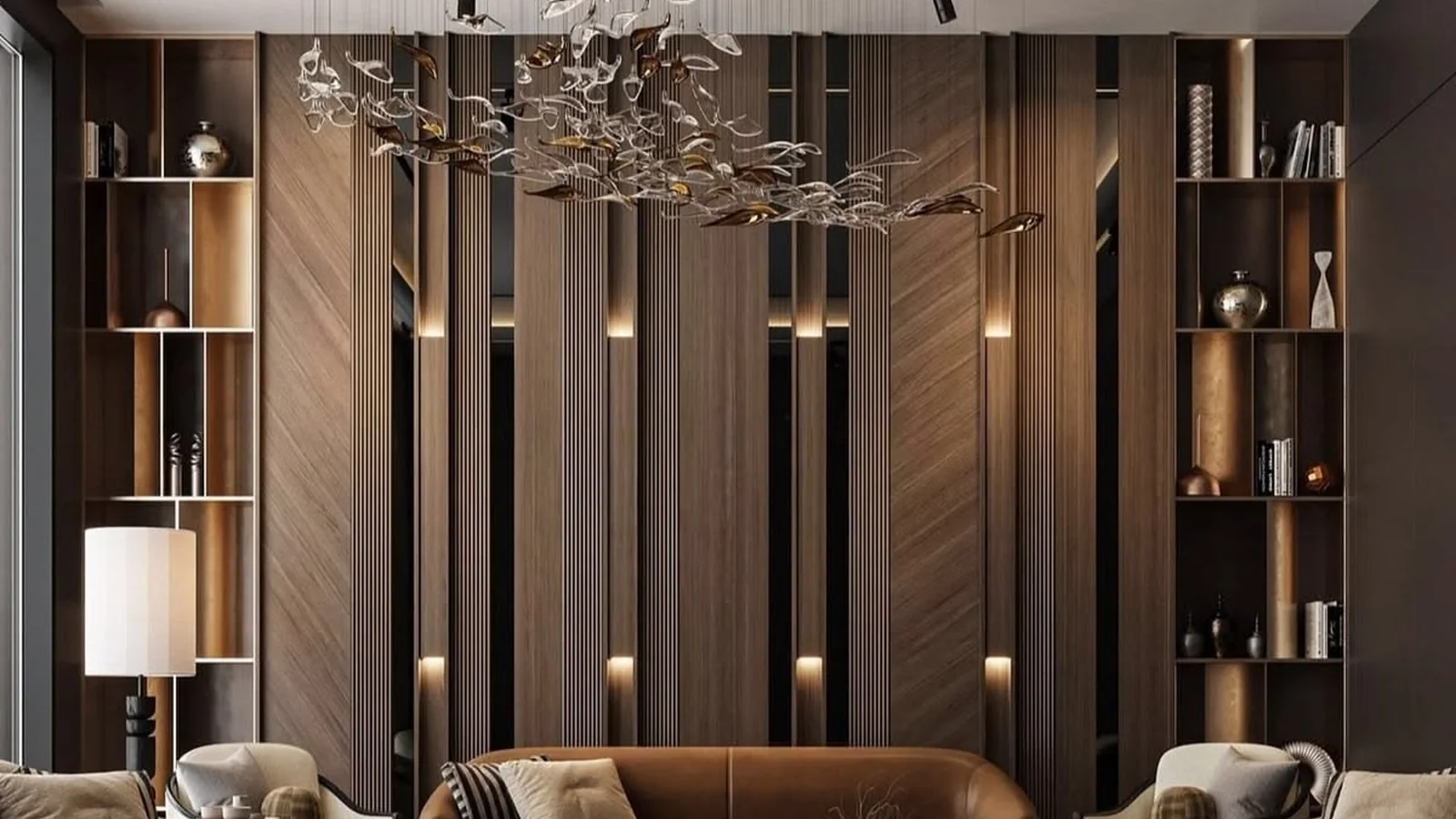
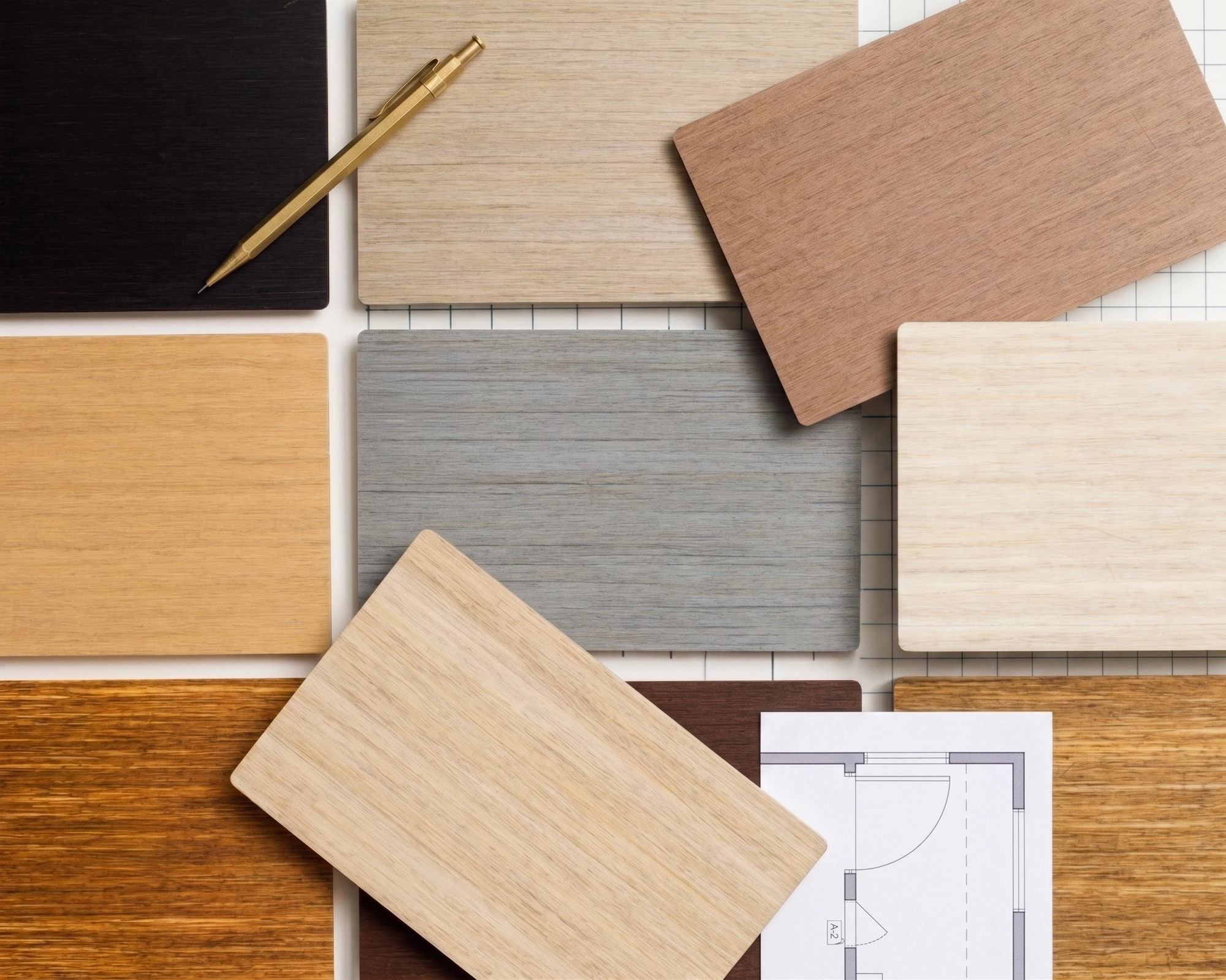


In recent years, interior design has evolved beyond selecting individual furniture pieces or decorative elements. Today's most inspiring spaces are defined by a cohesive design language, where every surface, texture, and material works together to create a unified living experience.
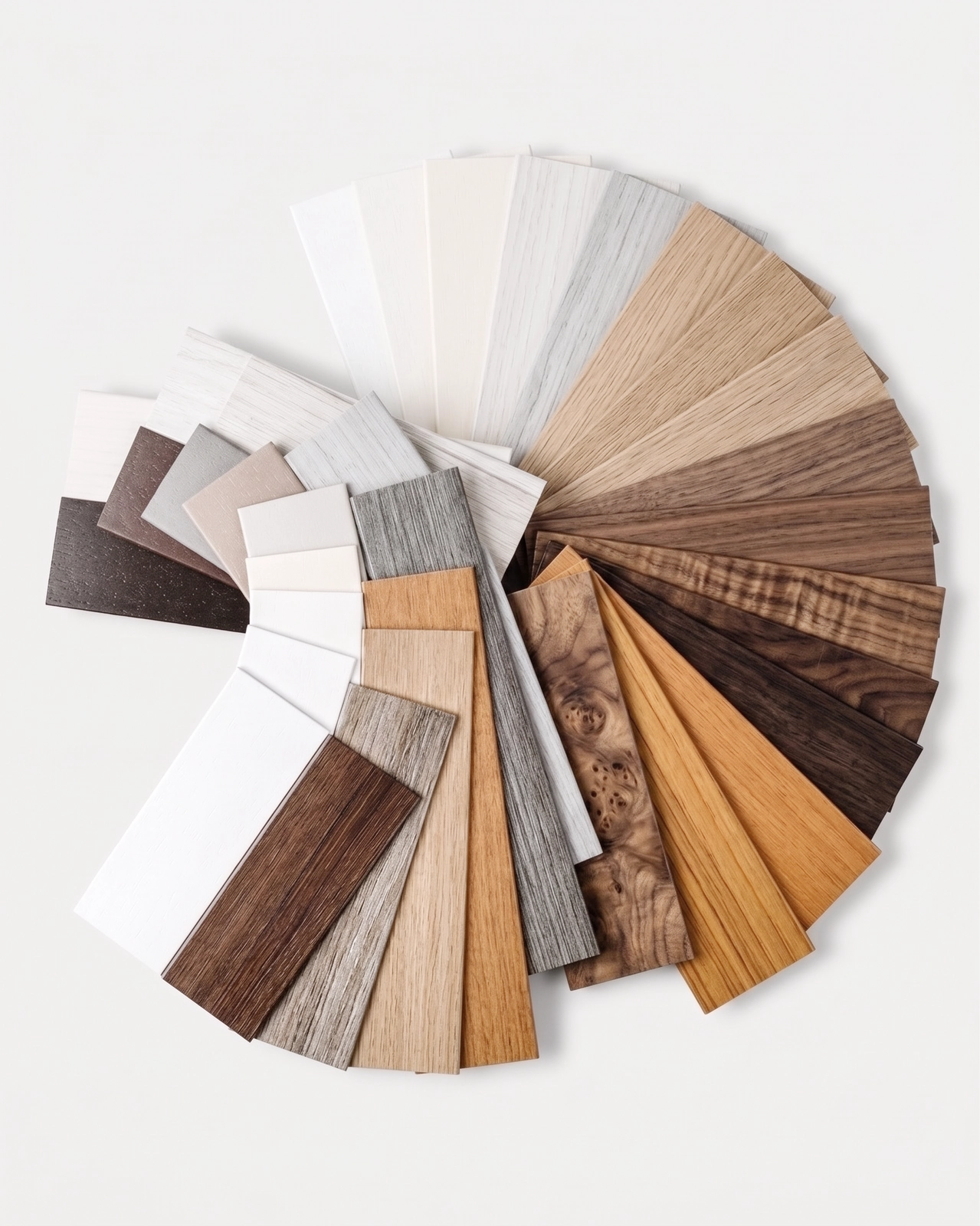
One of the most influential trends shaping contemporary interiors is the use of coordinated material systems. From flooring and wall finishes to ceilings, cabinetry, and bespoke furniture, colors, textures, and surface finishes are carefully curated to establish visual continuity throughout the home.
More than an aesthetic choice, this holistic approach creates interiors that feel refined, harmonious, and timeless.
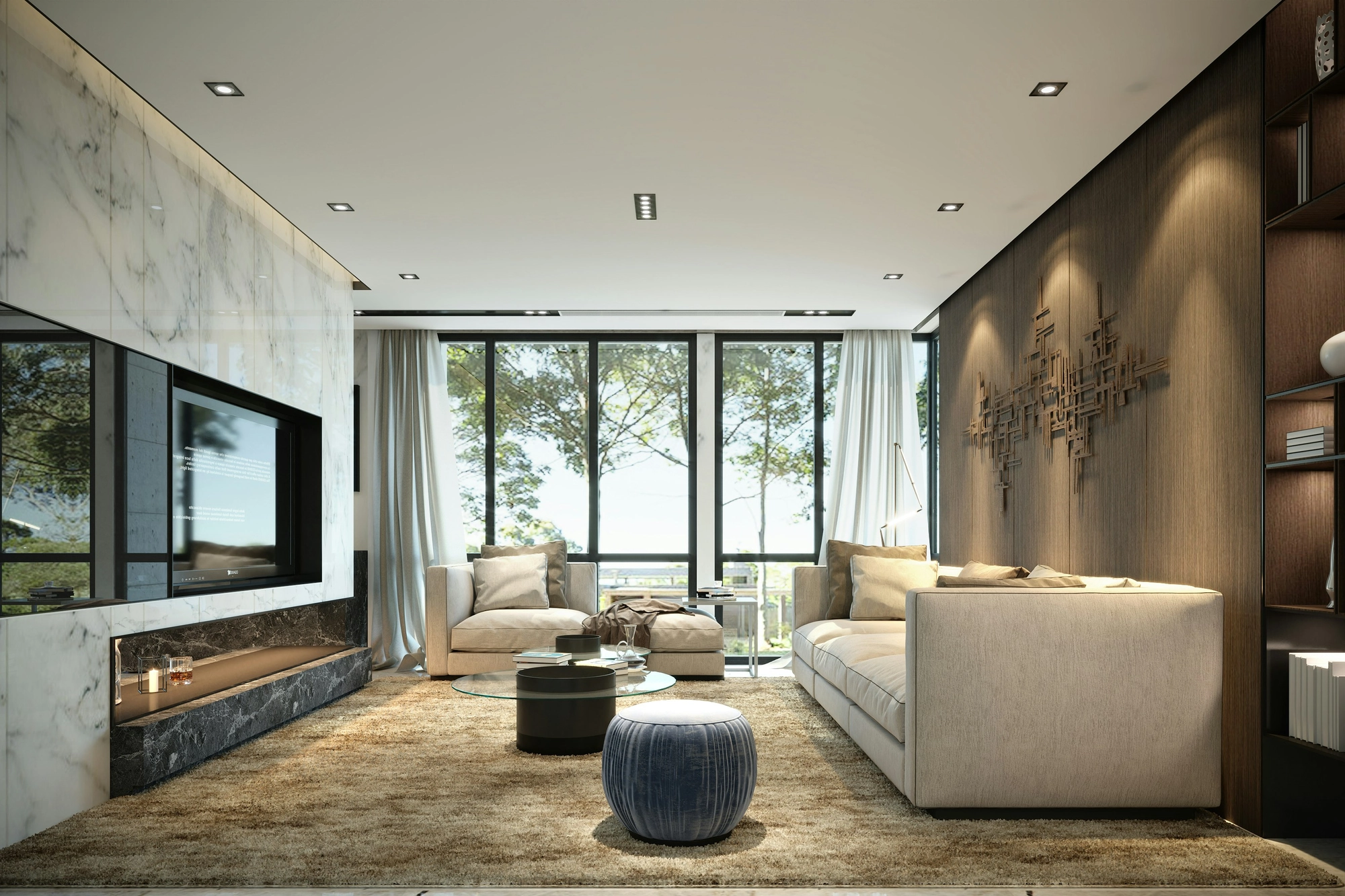
What are coordinated material systems?
A coordinated material system is an approach to interior design in which materials are carefully selected to work together through a shared palette of colors, textures, surface finishes, and material characteristics across multiple applications within the same project.
Rather than choosing each material independently, architects and interior designers develop a comprehensive material palette during the early design stages. This ensures visual consistency throughout the home, connecting spaces such as the living room, kitchen, bedrooms, walk-in wardrobes, and home office into one cohesive design narrative.
The result is an interior that feels harmonious, balanced, and thoughtfully curated from one space to the next.
Creating a cohesive design language
A beautifully designed interior is not defined by the number of materials it incorporates, but by how effectively those materials work together.
A consistent material palette creates a sense of order, refinement, and a clear design identity. Instead of relying on an abundance of colors or decorative elements, designers achieve visual richness through carefully coordinated combinations of texture, proportion, and finish.
Neutral tones such as white, beige, grey, warm wood, and black are frequently paired with natural stone, premium metals, glass, or high-performance decorative surfaces such as laminate to create interiors that feel contemporary, elegant, and timeless.
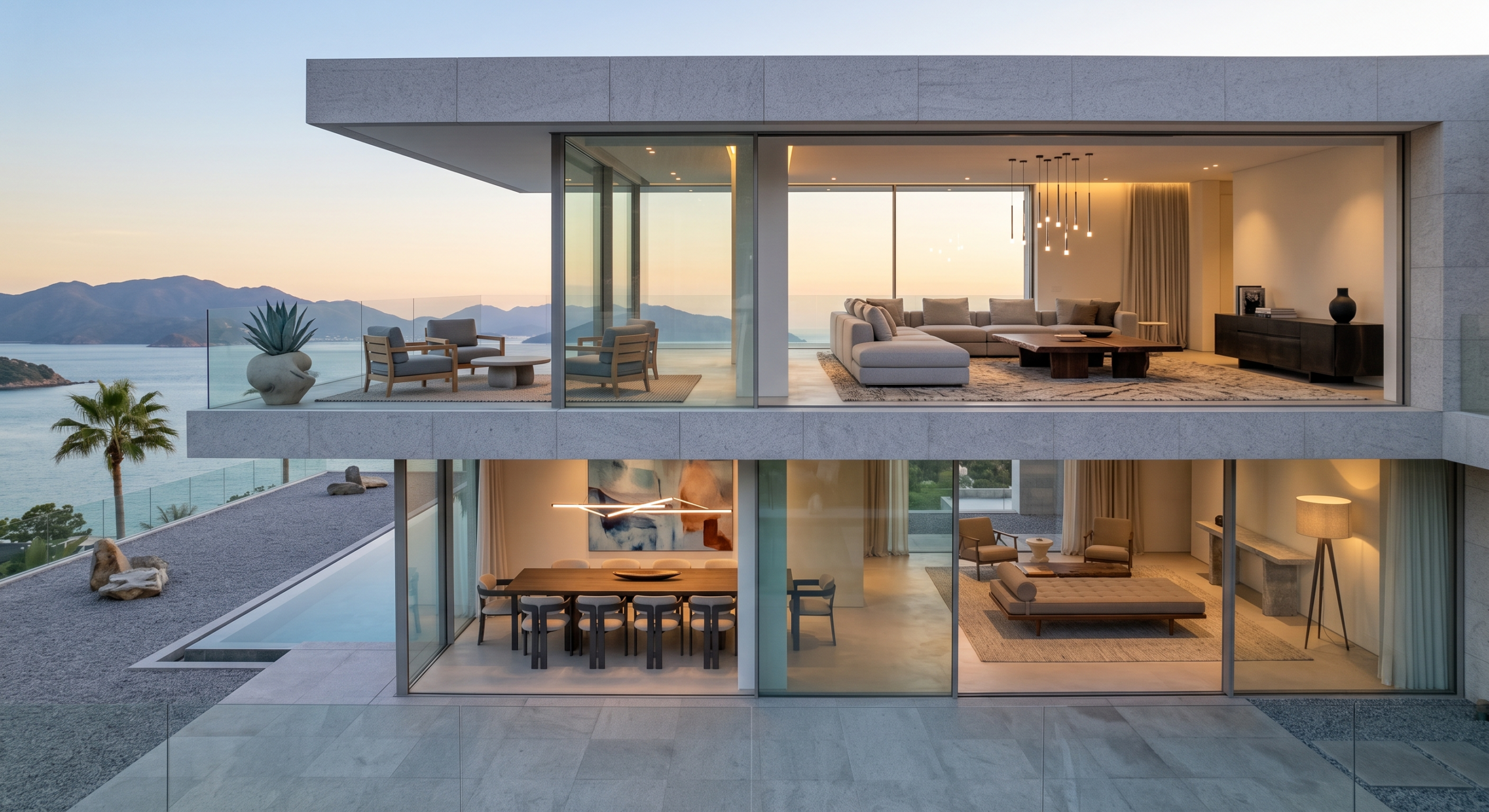
When materials are intentionally repeated throughout different areas of a home, they establish a continuous visual rhythm that enhances spatial flow, reinforces architectural coherence, and creates interiors that feel more spacious, comfortable, and effortlessly sophisticated.
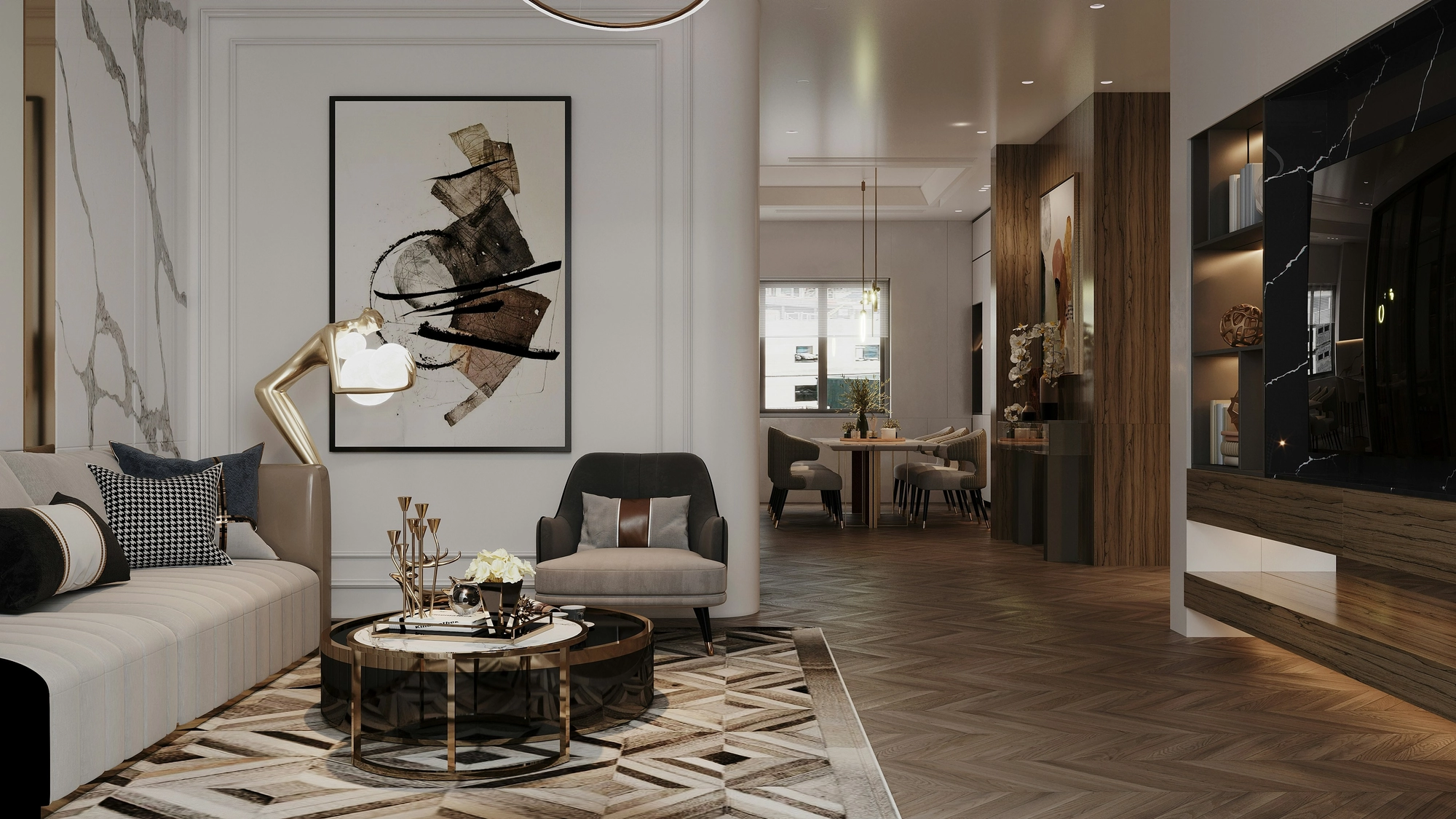
Elevating aesthetics through material harmony
Coordinated materials bring a remarkable sense of refinement to every aspect of an interior.
When colors, textures, proportions, and surface finishes are thoughtfully aligned, a space achieves a cohesive visual language that feels elegant without relying on excessive decoration. Every element works together to create balance, allowing the architecture and materials themselves to become the focal point.
This is why luxury villas, premium apartments, flagship showrooms, and high-end hospitality projects increasingly embrace coordinated material systems. Beyond creating a distinctive design identity, they contribute to a timeless aesthetic that enhances the long-term value of the space.
The benefits of coordinated materials extend well beyond aesthetics.
By establishing a unified material palette from the earliest stages of a project, architects, interior designers, contractors, and suppliers can collaborate more efficiently throughout the design and construction process. This integrated approach minimizes inconsistencies in color, dimensions, and surface finishes while simplifying installation, reducing project timelines, and helping to control overall costs.
For large-scale residential and commercial developments, coordinated material systems provide an effective solution for maintaining consistent quality and design integrity across the entire project.
Supporting more sustainable interiors
Longevity has become one of the defining principles of modern interior design.
A coordinated material system allows interiors to maintain their visual consistency over time while making maintenance, replacement, and future renovations considerably easier.
At the same time, many next-generation interior materials offer enhanced durability through moisture resistance, scratch resistance, antibacterial performance, and environmentally responsible manufacturing. These innovations contribute to healthier, lower-maintenance living environments while supporting more sustainable design practices.
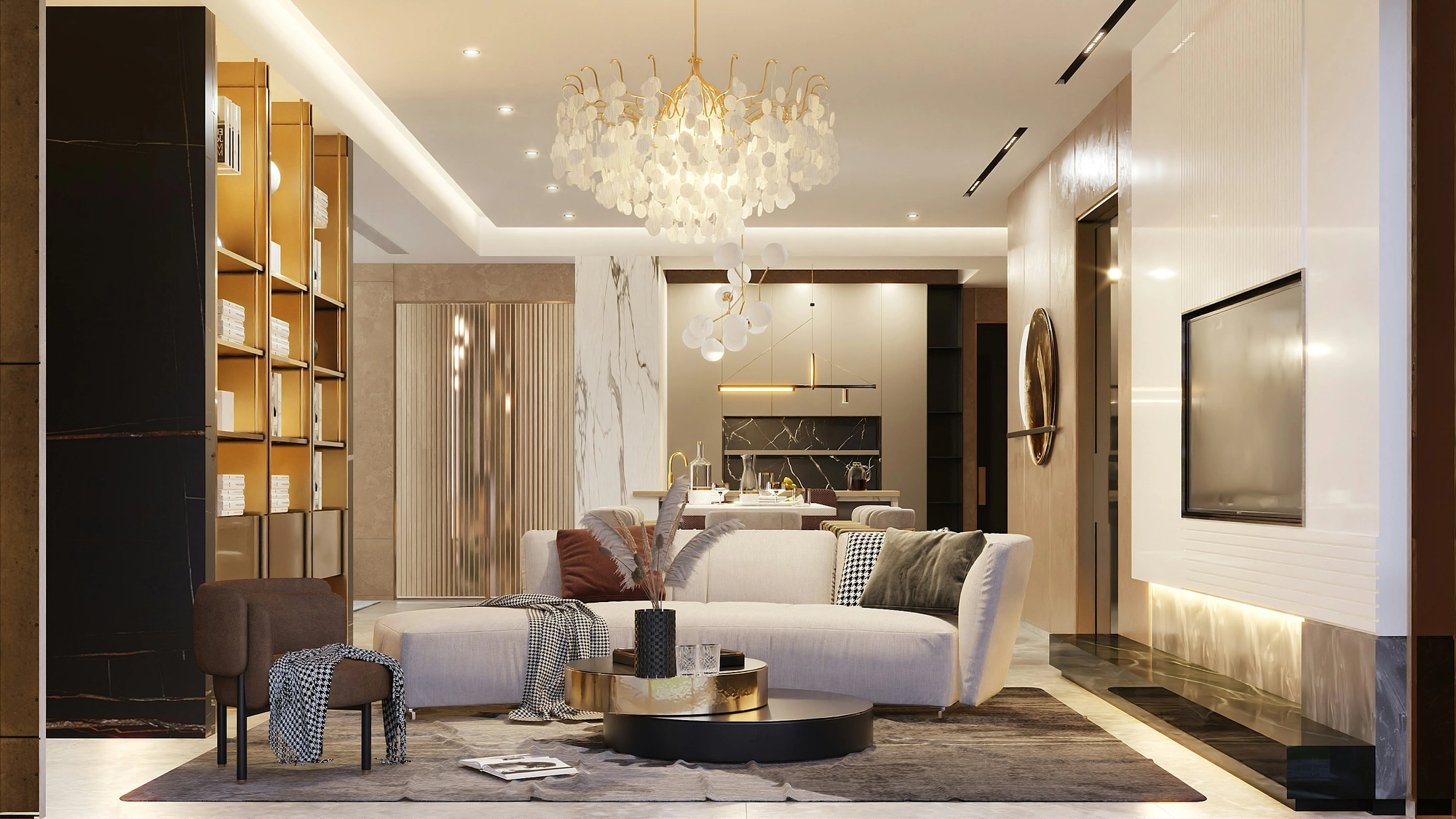
A growing direction for the future of interior design
As the interior materials industry continues to evolve, product collections are no longer developed as standalone offerings.
Instead, manufacturers are creating comprehensive design ecosystems in which flooring, wall panels, cabinetry, decorative surfaces, and complementary finishes share a unified palette of colors, textures, and surface technologies.
This integrated approach gives architects and designers greater creative flexibility while allowing homeowners to personalize their interiors without sacrificing visual cohesion.
As people place increasing importance on quality of life and the overall living experience, thoughtfully coordinated material systems are set to become a defining feature of future interiors. By bringing together aesthetics, performance, and long-term durability, they provide the foundation for spaces that are elegant, functional, and designed to endure for years to come.