










When researching engineered wood, furniture, or building materials, one term appears time and again: formaldehyde.
It can be found on product packaging, technical data sheets, and quality certifications, often alongside labels such as E1, E0, or Low Formaldehyde. While many consumers recognize formaldehyde as something that may affect indoor air quality, few fully understand what it is, why it is used, or why it has become such an important consideration when selecting interior materials.
What is formaldehyde?
Formaldehyde is a colorless, volatile organic compound (VOC) with a distinctive, pungent odor.
Although it is often associated with building materials, formaldehyde is not an unusual or synthetic-only substance. It occurs naturally in small amounts in the environment and is also widely used in industrial manufacturing to produce a variety of materials, chemicals, and consumer products.
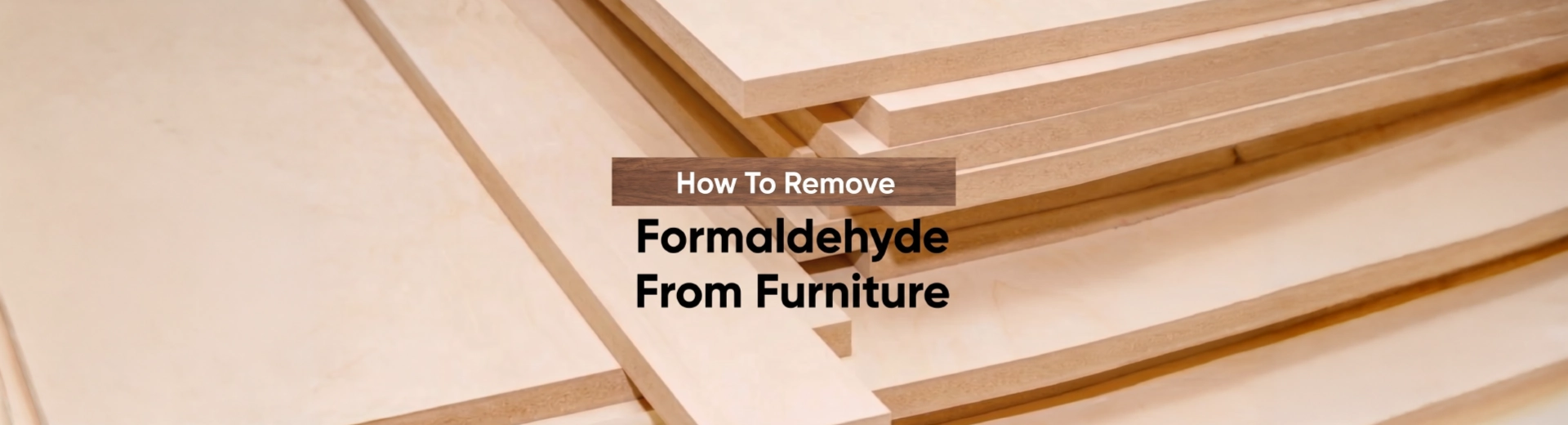
In the wood products industry, formaldehyde-based resins have long been valued for their strong bonding performance. They are commonly used in the production of engineered wood panels such as:
- Medium Density Fiberboard (MDF)
- High Density Fiberboard (HDF)
- Particleboard
- Plywood
These adhesives bind wood fibers or particles together to create panels with excellent strength, stability, and durability.

If formaldehyde is widely used, where does the concern come from?
The presence of formaldehyde itself is not the issue.
What matters is how much formaldehyde remains in the finished product and how much may be released into the surrounding air over time.
After installation, certain wood-based products may gradually emit small amounts of formaldehyde through a natural process known as off-gassing. When emissions are kept within strict regulatory limits, these products are generally considered safer for indoor environments. However, products manufactured with lower-quality adhesives or less stringent production controls may release higher levels of formaldehyde, potentially affecting indoor air quality.
For this reason, modern standards focus on controlling emissions rather than simply identifying whether formaldehyde is present.
Where can formaldehyde be found in the home?

Many people assume formaldehyde is found only in engineered wood panels. In reality, it can be present in a wide range of interior materials and household products, including:
- Wardrobes and built-in cabinetry
- Kitchen cabinets
- Shelving systems
- Wood flooring
- Interior doors
- Paints and surface coatings
- Adhesives
- Carpets and flooring underlays
- Certain fabrics and decorative textiles
When multiple emission sources are present within an enclosed space, their combined contribution may increase overall indoor formaldehyde levels.
How can formaldehyde affect indoor environments?
The effects of formaldehyde are not always immediately noticeable. However, in environments with elevated concentrations, some individuals may experience symptoms such as:
- Eye irritation
- Dry or sore throat
- Respiratory discomfort
- Headaches
- Fatigue
- Allergic reactions
- Difficulty sleeping
These symptoms can easily be mistaken for seasonal allergies, stress, or other common health conditions, making indoor air quality difficult to assess without proper testing.
Why are formaldehyde emission standards becoming more important?

In the past, consumers typically evaluated interior materials based on price, appearance, and durability.
Today, priorities have shifted. As awareness of indoor environmental quality continues to grow, low-emission materials have become an increasingly important consideration for homeowners, architects, and developers alike.
This growing focus has led to widespread adoption of emission standards such as E1, E0, and other internationally recognized certifications. These standards measure the amount of formaldehyde a product may emit during normal use, providing consumers with a more transparent and reliable basis for comparing materials.
The key question is not whether formaldehyde exists, but how much is released
One of the most common misconceptions is that high-quality interior materials contain absolutely no formaldehyde.
In reality, the goal of today’s building materials industry is not necessarily to eliminate formaldehyde entirely, but to minimize emissions to levels that comply with rigorous international safety standards.
When selecting interior materials, the most important questions are therefore not:
“Does this product contain formaldehyde?”
Instead, consumers should ask:
“What is the product’s formaldehyde emission level, and has it been independently tested and certified according to recognized standards?”
Healthier indoor air begins with better material choices
People spend approximately 80 to 90 percent of their time indoors, whether at home, in the workplace, or in educational environments. As a result, indoor air quality plays a significant role in overall health, comfort, and quality of life.
Understanding formaldehyde is not about avoiding every engineered wood product. It is about making informed decisions based on reliable information and recognized performance standards.
Ultimately, a well-designed interior should offer more than beauty, durability, and functionality. It should also be built with materials that support healthier indoor environments through carefully controlled quality and responsible manufacturing.