




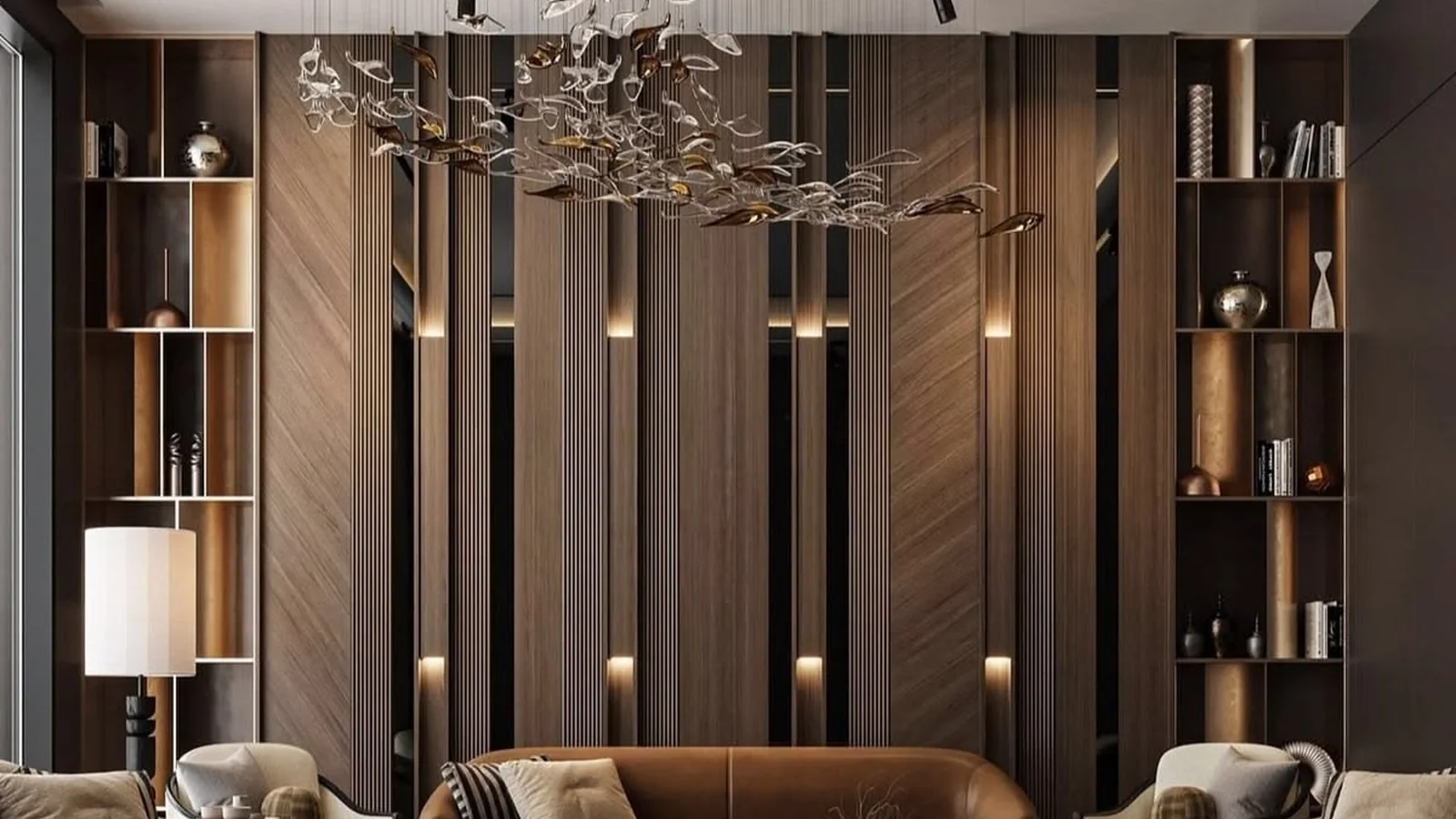
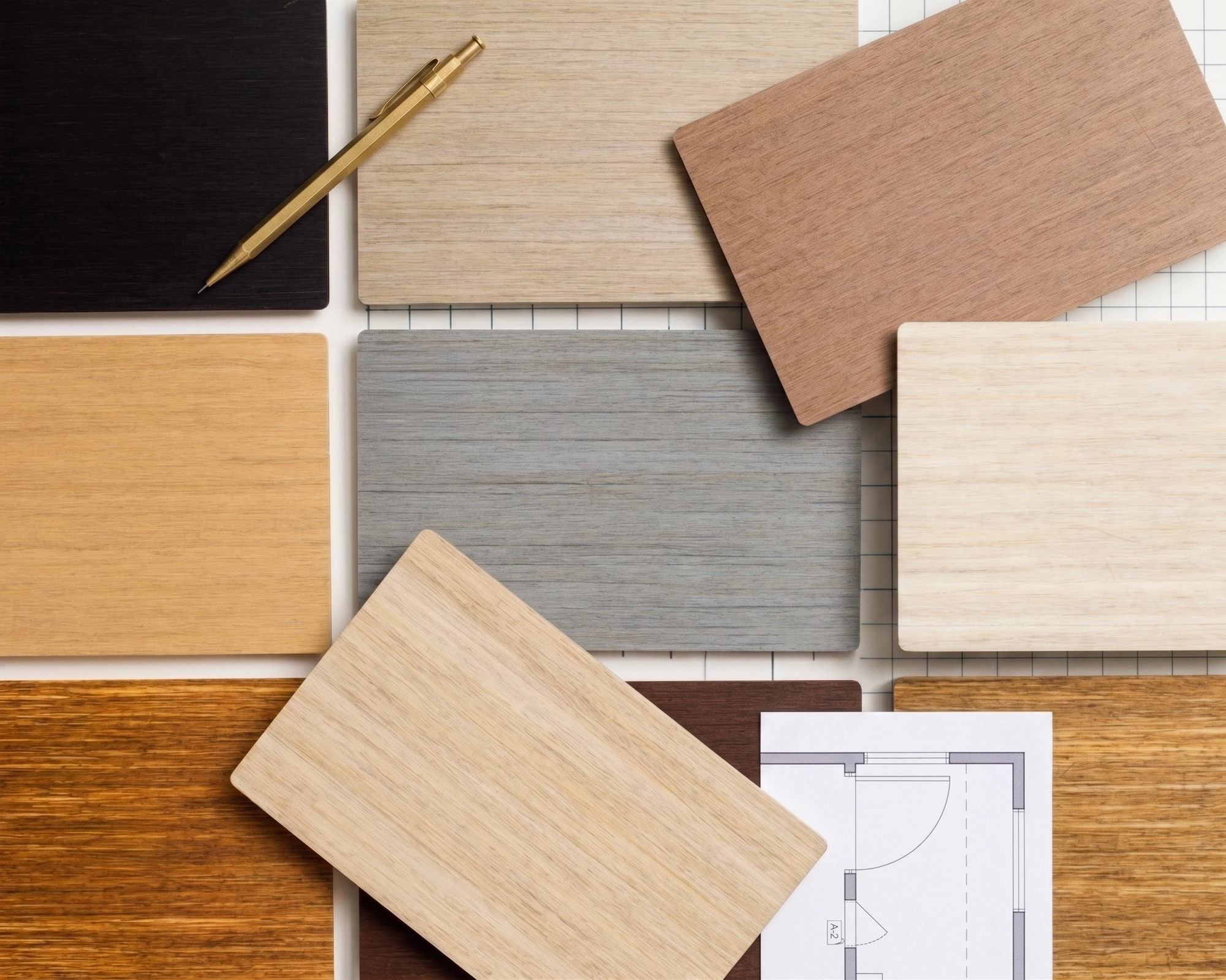


Luxury interiors are no longer defined solely by striking design or the use of premium materials. Today, the true value of a high-end project is increasingly measured by the quality of its indoor environment, occupant well-being, and long-term sustainability.
This shift explains why luxury residences, private villas, five-star hotels, and premium office developments are placing greater emphasis on specifying materials with low formaldehyde emissions. What began as an international best practice is now emerging as a new benchmark for the premium construction and interior design market in Vietnam.
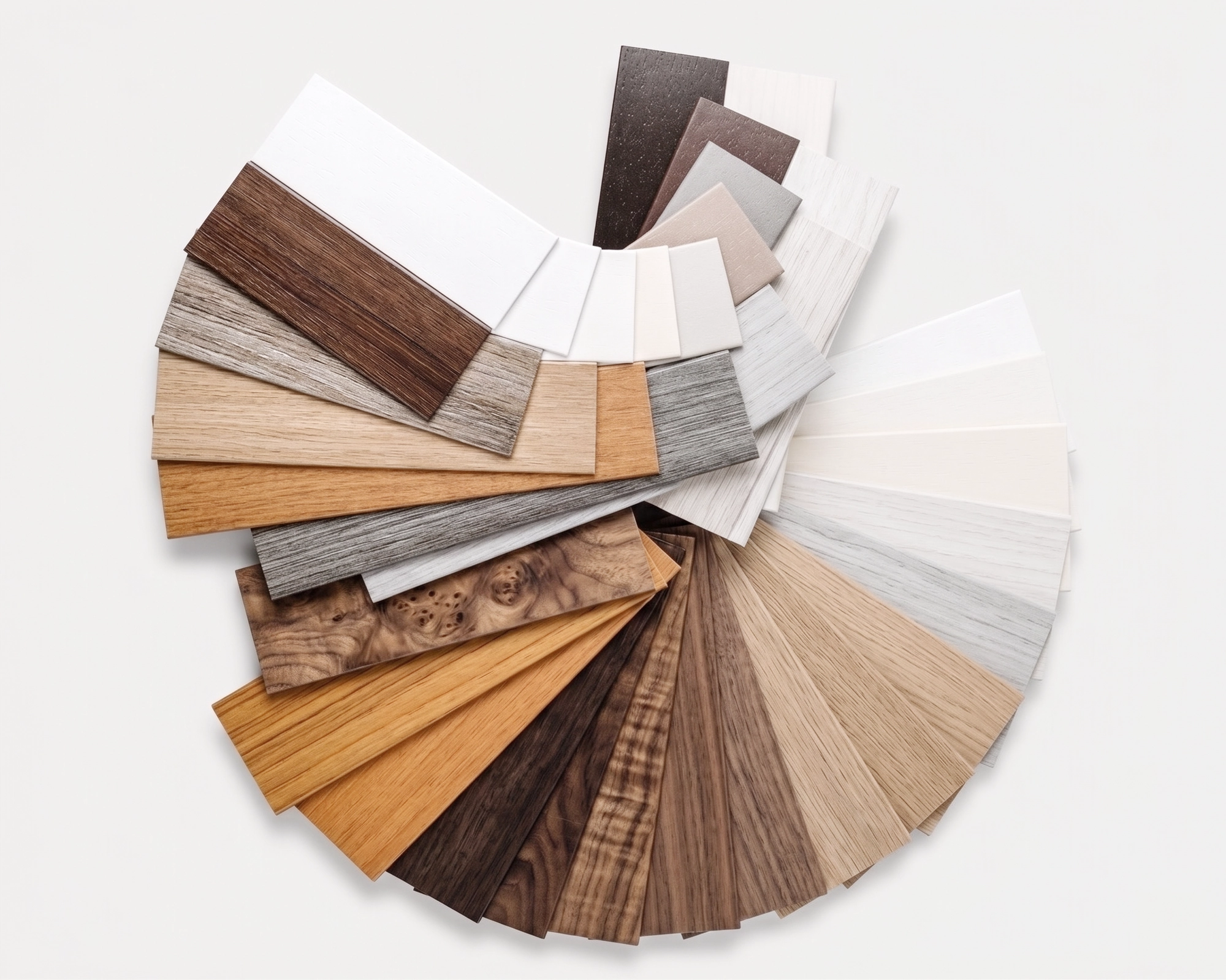
Luxury is no longer defined by appearance alone
For many years, luxury interiors were synonymous with rare materials, bespoke craftsmanship, and prestigious brands. While these qualities remain important, the definition of luxury has evolved.
A truly premium space should not only look exceptional on completion but also provide comfort, confidence, and lasting quality throughout its lifespan. As a result, the invisible characteristics of materials, such as formaldehyde and volatile organic compound (VOC) emissions, have become just as important as their visual appeal.
Developers and designers increasingly recognize that indoor air quality is an essential part of the living experience. A luxury residence or five-star hotel feels complete when it is built with materials that meet internationally recognized low-emission standards.
High-End buyers are investing in quality of life
Luxury homebuyers are not simply purchasing a property. They are investing in a lifestyle.
Beyond location, architecture, and premium amenities, today’s buyers are paying closer attention to the factors that influence long-term living quality. They want to understand where materials come from, what certifications they hold, and whether they comply with internationally recognized standards. This is particularly important for families with young children or older adults, who often prioritize interior materials with controlled formaldehyde emissions as part of creating a healthier indoor environment.
This shift reflects a broader change in consumer expectations, from buying beautiful interiors to investing in a better quality of life.
Developers differentiate through quality
In the luxury market, competition extends far beyond architectural design or project location. Increasingly, the defining difference lies in the qualities that buyers cannot immediately see but can appreciate throughout the life of the building.
Selecting materials that comply with internationally recognized emission standards, such as E1, CARB P2, and EPA TSCA Title VI, allows developers to:
- Deliver a higher overall standard of project quality.
- Strengthen brand reputation and credibility.
- Enhance competitiveness in the premium market.
- Demonstrate transparency and a commitment to quality.
These qualities can help establish buyer confidence long before a project is completed.
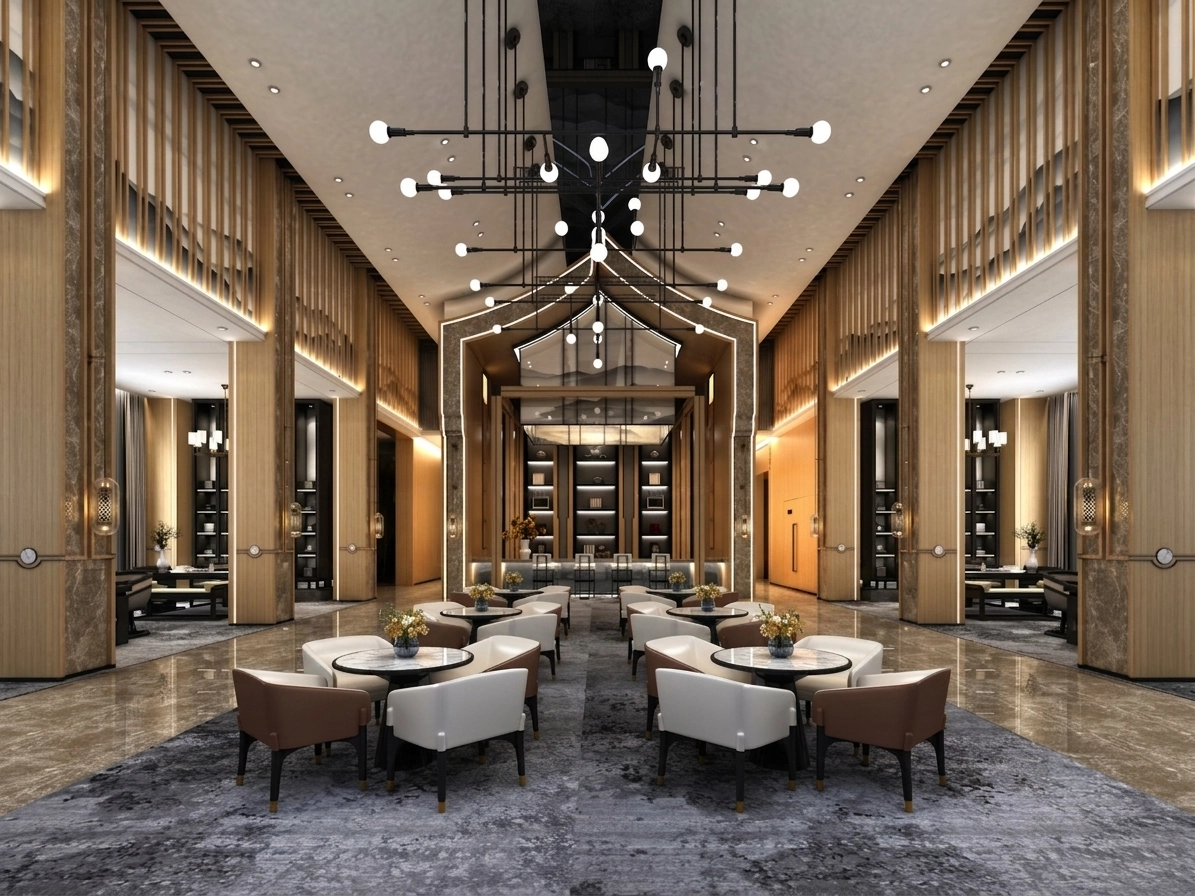
Green building standards are raising material requirements
Green building certifications such as LEED, WELL, and EDGE are becoming increasingly common in premium residential and commercial developments worldwide.
Although each certification system has its own evaluation framework, they all encourage the use of low-emission materials to improve indoor environmental quality. As a result, developers, architects, and consultants are placing greater emphasis on material selection during the earliest stages of project planning and design.
Beyond certification itself, low-emission materials contribute to the long-term sustainability and performance of the entire development.
International brands demand higher material standards
For international hotel operators, luxury resorts, and branded residences, material selection is often governed by comprehensive global brand standards.
In addition to aesthetics and functionality, project specifications frequently include requirements related to formaldehyde emissions, VOC performance, raw material sourcing, and environmental sustainability. To meet these increasingly rigorous expectations, many interior material manufacturers are investing in advanced production technologies, enhanced quality control, and internationally recognized certification programs.
Low-emission materials are an investment in long-term value
Materials that comply with international emission standards may carry a higher upfront cost than conventional alternatives. However, for premium developments, material value is measured by far more than initial purchase price.
High-quality, low-emission materials can:
- Elevate the overall image of the development.
- Increase buyer confidence.
- Support green building certification objectives.
- Strengthen marketing and sales positioning.
- Reinforce the developer’s premium brand identity.
Viewed from a long-term perspective, these benefits extend well beyond the materials themselves.
This trend is gaining momentum in Vietnam
Vietnam’s interior and construction industries are becoming increasingly aligned with international standards.
As the premium real estate market continues to mature and demand for sustainable buildings grows, low-formaldehyde emission materials are expected to become a standard specification rather than an optional upgrade. For material manufacturers, this presents an opportunity to improve product quality, invest in internationally recognized certifications, and build long-term trust with developers, architects, and homeowners.
For developers and end users alike, it offers a pathway to creating buildings that are not only visually impressive but also deliver greater comfort, sustainability, and long-term value.
Conclusion
The evolution of premium real estate reflects a clear industry direction: a building’s true value is no longer determined solely by its appearance, but also by the quality of the materials that shape the indoor environment.
Low-formaldehyde emission materials exemplify this shift. As expectations surrounding occupant well-being, sustainability, and green building continue to rise, prioritizing low-emission materials is no longer simply about meeting technical specifications. It is becoming an essential component of delivering premium developments, strengthening brand reputation, and creating healthier spaces designed to stand the test of time.