



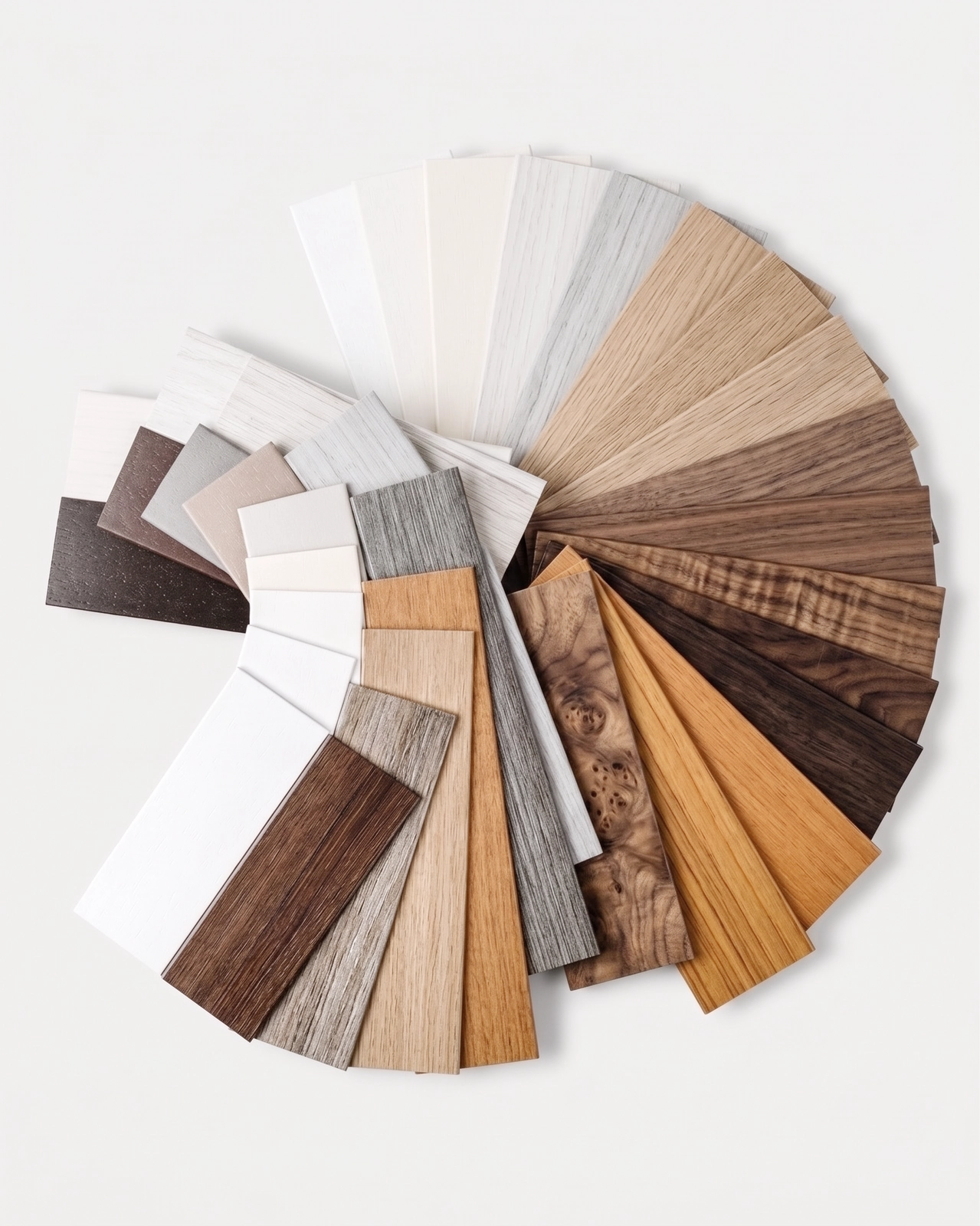
















For many years, the quality of interior materials was primarily judged by factors such as durability, moisture resistance, aesthetics, and price. Today, however, changing consumer expectations and the global shift toward sustainability are redefining what quality truly means.
Emission standards have become one of the most important benchmarks for evaluating not only the performance of interior materials, but also the credibility and long-term competitiveness of the companies behind them.
For businesses in the furniture and interior materials industry, understanding and complying with emission standards is no longer just a concern for manufacturers or exporters. It has become a strategic advantage and a key foundation for building a trusted brand.
What are emission standards?
In the interior materials industry, emission standards are regulations that limit the amount of substances released from products during normal use, particularly formaldehyde and volatile organic compounds (VOCs).
These standards are based on scientific testing methods that evaluate how materials perform under real-world conditions.
Some of the most widely recognized standards include:
- E1 (European standard)
- CARB P2 (California Air Resources Board, United States)
- EPA TSCA Title VI (United States)
- F★★★★ (Four-Star) (Japan)
- Low-emission material requirements associated with green building certification systems such as LEED, WELL, and BREEAM
Although these standards are developed under different regulatory frameworks, they share a common objective: improving indoor environmental quality while encouraging the use of safer, lower-emission materials.
Consumers are changing the way they choose interior products
Not long ago, purchasing decisions were driven primarily by design and price.
Today, consumers are asking more informed questions about where materials come from, how they are manufactured, and whether they have been independently certified.
This trend is especially evident in the mid-range and premium markets, where homeowners increasingly seek interiors that are not only aesthetically appealing but also contribute to a healthier living environment. Factors such as formaldehyde emissions, VOC performance, and green building certifications are becoming part of the purchasing decision.
This reflects a broader shift in consumer behavior. Buyers are no longer simply choosing products. They are investing in a better quality of life.
Premium Projects Demand Higher Material Standards
Developers, architects, and design consultants are also raising their expectations when specifying interior materials.
Luxury hotels, high-end residences, premium office buildings, and green-certified developments increasingly require materials that meet demanding standards for durability, performance, and environmental quality.
Using materials that comply with internationally recognized emission standards helps projects:
- Meet technical specifications.
- Enhance overall project quality.
- Increase long-term property value.
- Strengthen marketing and sales positioning.
For this reason, many furniture and material manufacturers are proactively transitioning to low-emission product portfolios, even in markets where regulations have not yet made them mandatory.
Emission standards are a passport to international markets
For manufacturers with export ambitions, emission compliance is often a prerequisite rather than a competitive advantage.
The United States requires many engineered wood products to comply with standards such as CARB P2 or EPA TSCA Title VI. Likewise, European countries and Japan enforce their own regulations governing formaldehyde and VOC emissions from interior materials. As a result, companies seeking international growth must invest not only in design and manufacturing technology, but also in comprehensive quality assurance systems, product testing, and internationally recognized certifications.
For businesses with long-term ambitions, these investments should be viewed not as additional costs, but as essential steps toward expanding market opportunities.
Transparency builds customer trust
As competition intensifies, consumers increasingly favor brands that are open about product quality and material sourcing.
Clearly communicating certifications, laboratory test reports, and compliance with recognized standards helps customers make informed purchasing decisions while demonstrating a company’s professionalism and commitment to quality.
Transparency has become a powerful differentiator between brands that compete primarily on price and those that compete on trust.

Emission standards support sustainable development
Sustainability is no longer defined solely by recycled materials or energy efficiency. Today, it also includes creating healthier indoor environments through better material choices and improved indoor air quality.
This is why many interior material manufacturers are adopting low-emission materials, investing in advanced manufacturing technologies, and developing improved adhesive systems designed to reduce formaldehyde emissions.
These efforts not only address current market expectations but also prepare businesses for increasingly stringent environmental requirements in the years ahead.
Competitive advantage is no longer about price alone
As product quality across the industry continues to improve, differentiation increasingly depends on factors beyond design and cost. Companies that can demonstrate compliance with internationally recognized emission standards are better positioned to:
- Build stronger customer confidence.
- Participate in premium developments and green building projects.
- Expand into international markets.
- Strengthen their reputation as professional and sustainable brands.
- Meet growing consumer demand for healthier, environmentally responsible products.
In other words, emission standards are no longer just technical requirements. They have become an integral part of long-term brand strategy.

The future of the interior industry will be defined by quality
The future of the furniture and interior materials industry extends far beyond attractive design and durable products.
As consumers place greater emphasis on health and well-being, and as international regulations continue to evolve, the overall quality of materials will become an increasingly important measure of a company’s competitiveness. Investing in emission standards is not simply about meeting today’s market requirements. It is about preparing for a future in which a brand’s value is defined not only by the products it creates, but also by its commitment to quality, transparency, sustainability, and customer well-being.
For furniture manufacturers and interior brands, embracing emission standards today means laying the foundation for sustainable growth tomorrow. Products that meet internationally recognized standards provide more than peace of mind for customers. They also reinforce a company’s position in a marketplace where long-term quality and trust have become the ultimate competitive advantages.