






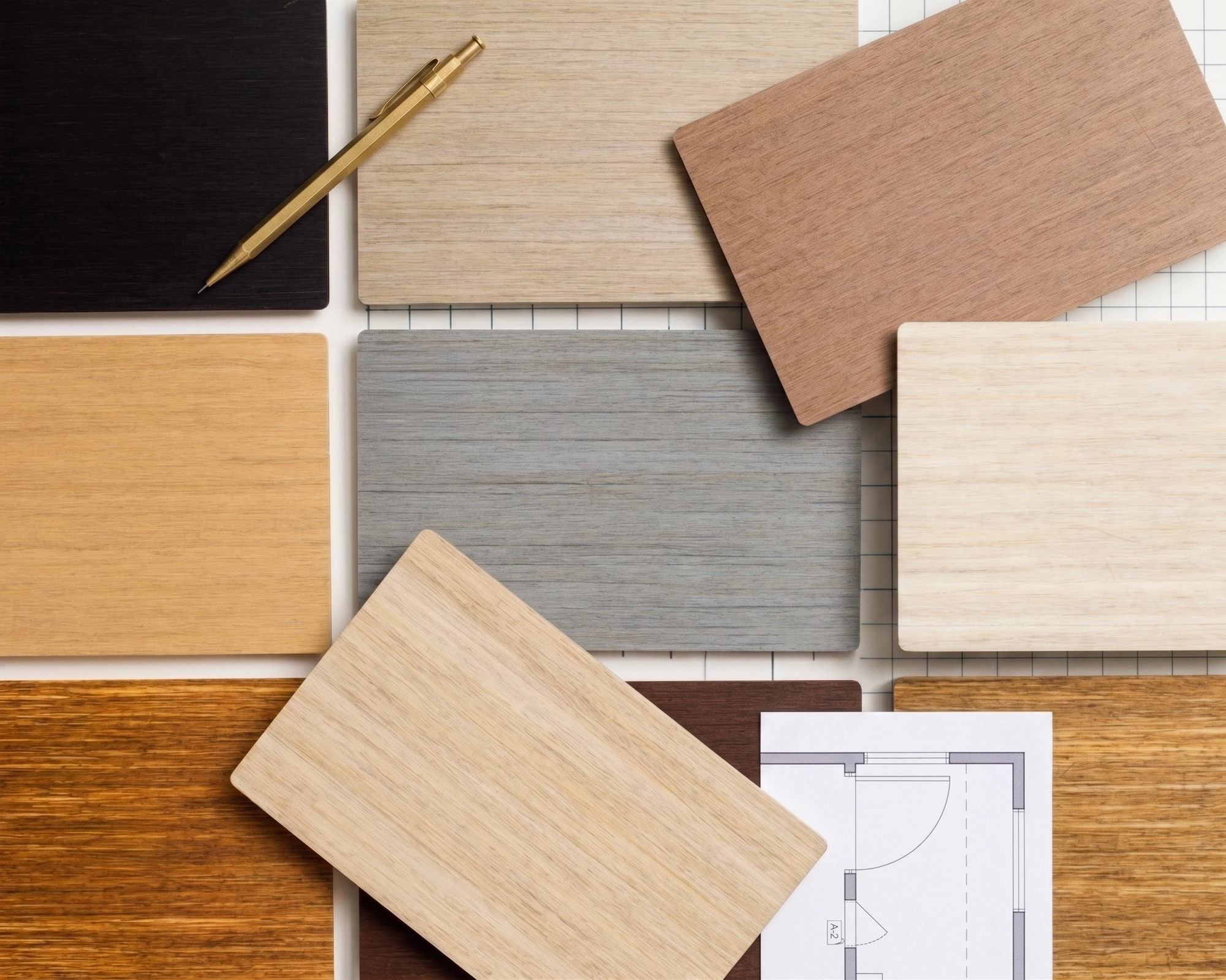


Is it true that simply ventilating your home for a few weeks makes it safe?
When purchasing new furniture or moving into a newly completed home, many people are told that keeping the windows open for a few weeks is enough to eliminate unpleasant odors and make the indoor environment safe. As a result, it’s common to believe that formaldehyde, a substance often associated with engineered wood products, will also disappear completely after a short period of time.
The reality, however, is more complex. While the smell of new materials may fade within a few weeks or months, that does not necessarily mean formaldehyde emissions have stopped.
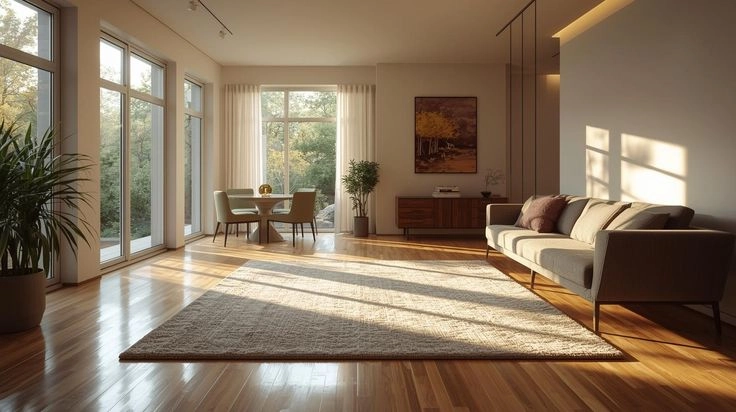
Formaldehyde is not limited to the first few weeks
In engineered wood products, formaldehyde is primarily associated with the adhesive systems used to bond wood fibers or particles together during manufacturing. Once the product is finished, a certain amount of formaldehyde continues to be released from within the core material into the surrounding air through a process known as off-gassing.
Importantly, this process does not end after a few days or weeks.
For lower-quality materials or products made with poorly controlled adhesive systems, formaldehyde emissions can continue for years, although the emission rate gradually declines over time. Rather than disappearing suddenly, formaldehyde behaves more like an hourglass, continuously releasing small amounts into the indoor environment throughout the product’s service life.
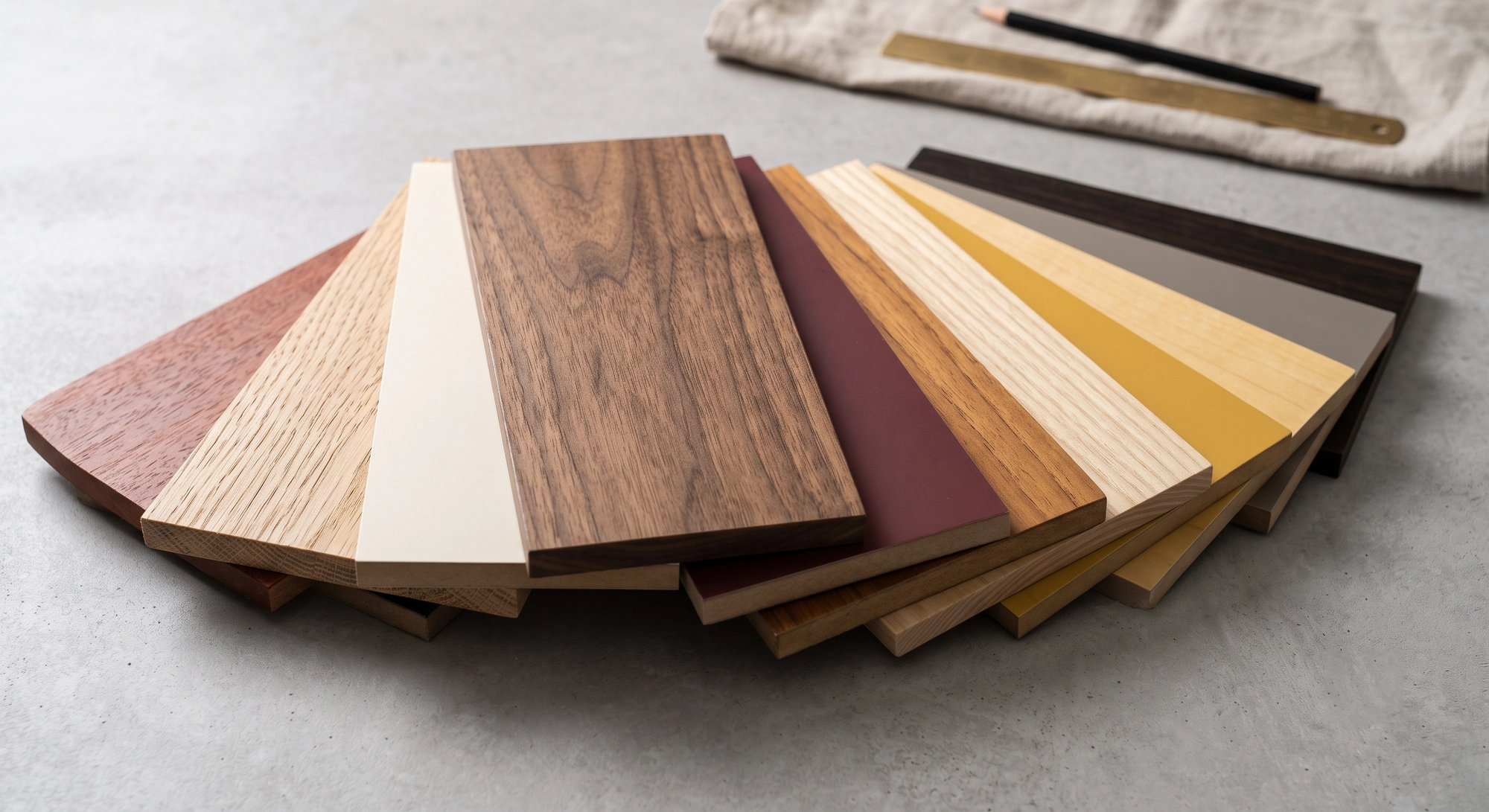
Why do some products emit formaldehyde longer than others?
Not all engineered wood products release formaldehyde at the same rate or for the same length of time. The duration and intensity of emissions depend on several factors, with four being particularly significant.
1. The Quality of the Adhesive System
Adhesives play a critical role in binding wood fibers or particles into finished panels.
High-quality adhesive systems are engineered to minimize free formaldehyde content and maintain low emission levels throughout the product’s lifespan. Lower-cost adhesives, on the other hand, may result in higher and more prolonged emissions.
This is why two panels that appear virtually identical can have very different impacts on indoor air quality.
2. Ambient Temperature
Higher temperatures generally accelerate formaldehyde emissions.
In tropical climates such as Vietnam, especially during the hot season, interior materials tend to release formaldehyde more quickly than they would in cooler environments. This also explains why the characteristic “new furniture smell” often becomes more noticeable on hot days.
3. Humidity levels
Humidity is another important factor influencing formaldehyde emissions.
High moisture levels can accelerate certain chemical reactions within the material, increasing the amount of formaldehyde released into the air. This is particularly relevant in regions with warm, humid climates throughout the year.
4. Product design and construction
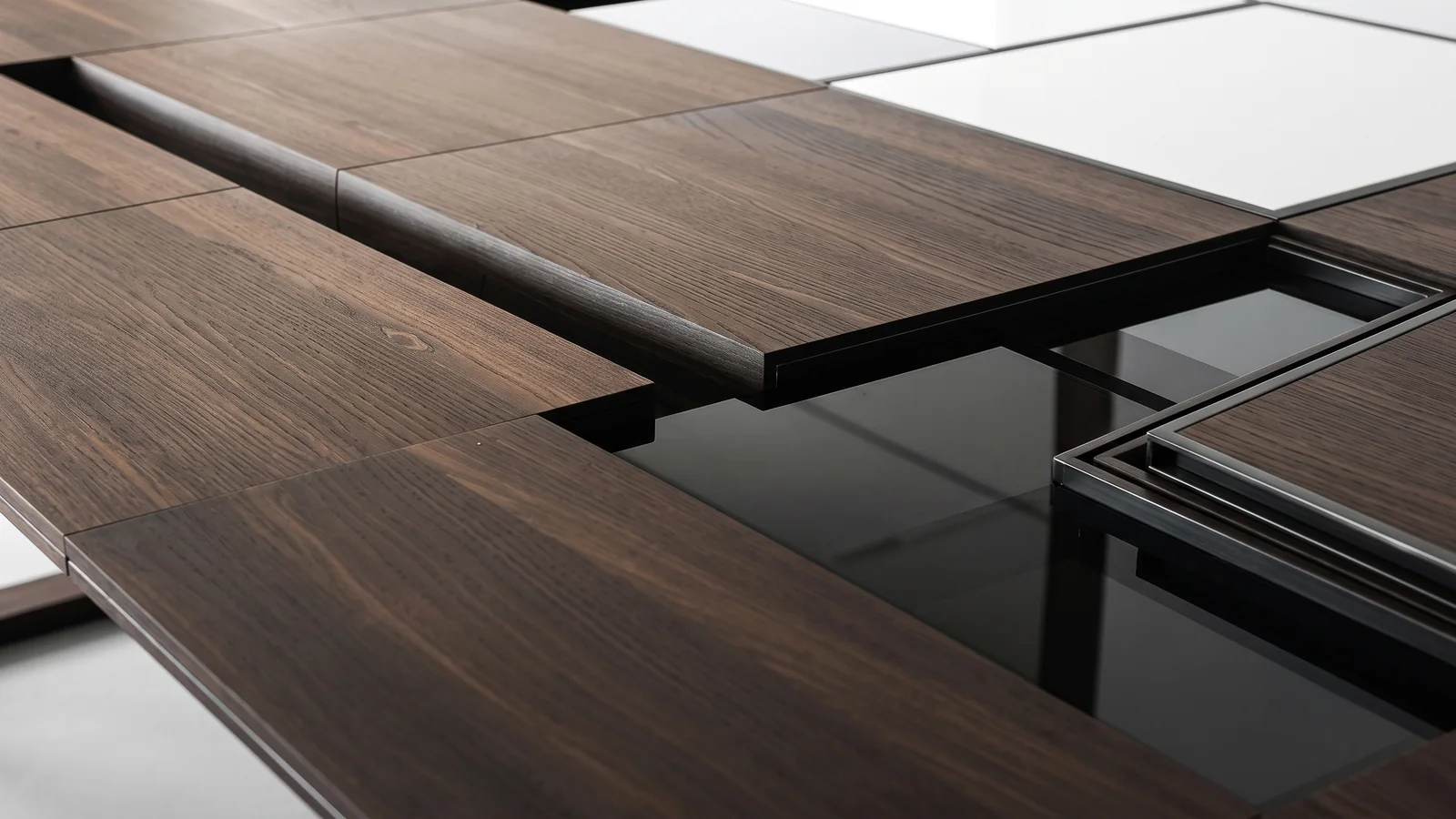
Furniture is more than just its finished surface. It also includes the core material, exposed edges, drilled holes, joints, and connection points.
These areas may become stronger sources of emissions if they are not properly sealed or finished. As a result, manufacturing quality and product construction play an important role in determining long-term emission performance.
No odor does not mean no emissions
This is one of the most common misconceptions among consumers.
The human sense of smell has its limits. As the scent of new materials gradually fades, many people assume that harmful emissions have disappeared as well. However, research has shown that materials can continue releasing low levels of formaldehyde for an extended period, even when no noticeable odor remains.
In other words, the absence of smell does not necessarily indicate the absence of emissions.
The right question isn’t “how Long?” but “how much?”
Instead of asking, “How long does it take for formaldehyde to disappear?”, consumers should ask a more meaningful question:
Was the product designed and manufactured to control formaldehyde emissions from the very beginning?
The quality of a material cannot be fundamentally changed after it has been manufactured.
Panels produced using high-quality raw materials, advanced manufacturing processes, and low-emission adhesive systems are designed to maintain safer formaldehyde emission levels throughout their service life.
Conversely, no amount of waiting, airing out, or ventilation can transform a low-quality material into a high-performance, low-emission product.
Material quality shapes indoor air quality for years
When choosing furniture, consumers often focus on color, wood grain, scratch resistance, or price. Yet one of the most important characteristics is often invisible: the material’s long-term emission performance.
Formaldehyde is not simply a concern during the first few days after installation. It is an indoor air quality issue that can persist throughout the life of the product. That is why the goal should not be to wait for harmful substances to disappear, but to select materials engineered to deliver low emissions from day one.
Because ultimately, the quality of your materials determines more than the appearance of your interiors. It also influences the quality of the air your family breathes every single day.